Polynucleotides Treatment in London

Polynucleotide injections are an innovative, non-surgical treatment designed to improve skin quality and support the skin’s natural repair processes. At The Ezra Clinic, polynucleotide treatment can be tailored to different areas of the face and body, including the delicate skin around the eyes, where a gentle and carefully planned approach is particularly important.

Key Information

PRICES FROM

ÂŁ420 per syringe

TIME OF PROCEDURE

45 minutes

DOWNTIME

48 Hours

DISCOMFORT LEVEL

3 out of 5

AVERAGE SESSION REQUIRED

A minimum of 4 sessions

Navigation

What Are Polynucleotides?

Polynucleotides are purified chains of nucleotides, the building blocks of DNA and RNA. The formulations used in aesthetic treatments are typically derived from fish DNA and undergo purification before being prepared for injection.

When introduced into the skin, polynucleotides are thought to support cellular repair processes and influence fibroblast activity, which plays an important role in maintaining collagen and other structural components of the skin.

Unlike traditional dermal fillers, which primarily restore lost volume or alter facial contours, polynucleotides focus on improving the condition and quality of the skin itself. Research into their aesthetic benefits is promising, although larger clinical studies are still needed to establish their long-term effectiveness.

Benefits of Polynucleotide Treatment

Polynucleotide injections may offer several improvements in skin quality, particularly where the skin has become thinner, less elastic or affected by early signs of ageing.

Potential benefits include:

  • Improved skin texture and elasticity.
  • A reduction in the appearance of fine lines and wrinkles.
  • Better skin hydration and moisture retention.
  • Support for the skin’s natural repair and regeneration processes.
  • A smoother, healthier-looking complexion.

Results vary depending on the condition of the skin, the treatment area and individual response.

What Areas Can Be Treated?

Polynucleotide injections can be used in several areas where improving skin quality is a priority, including:

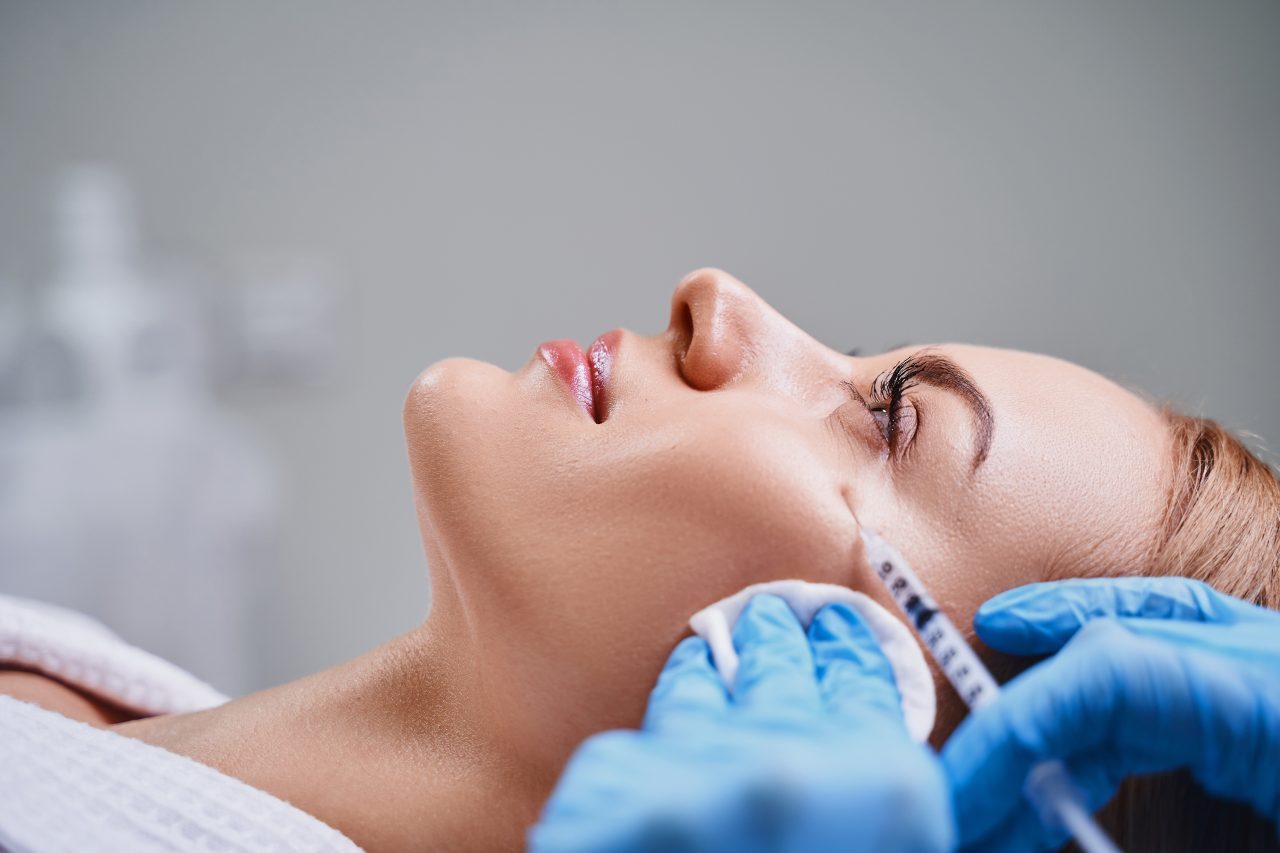
  • The delicate under-eye area.
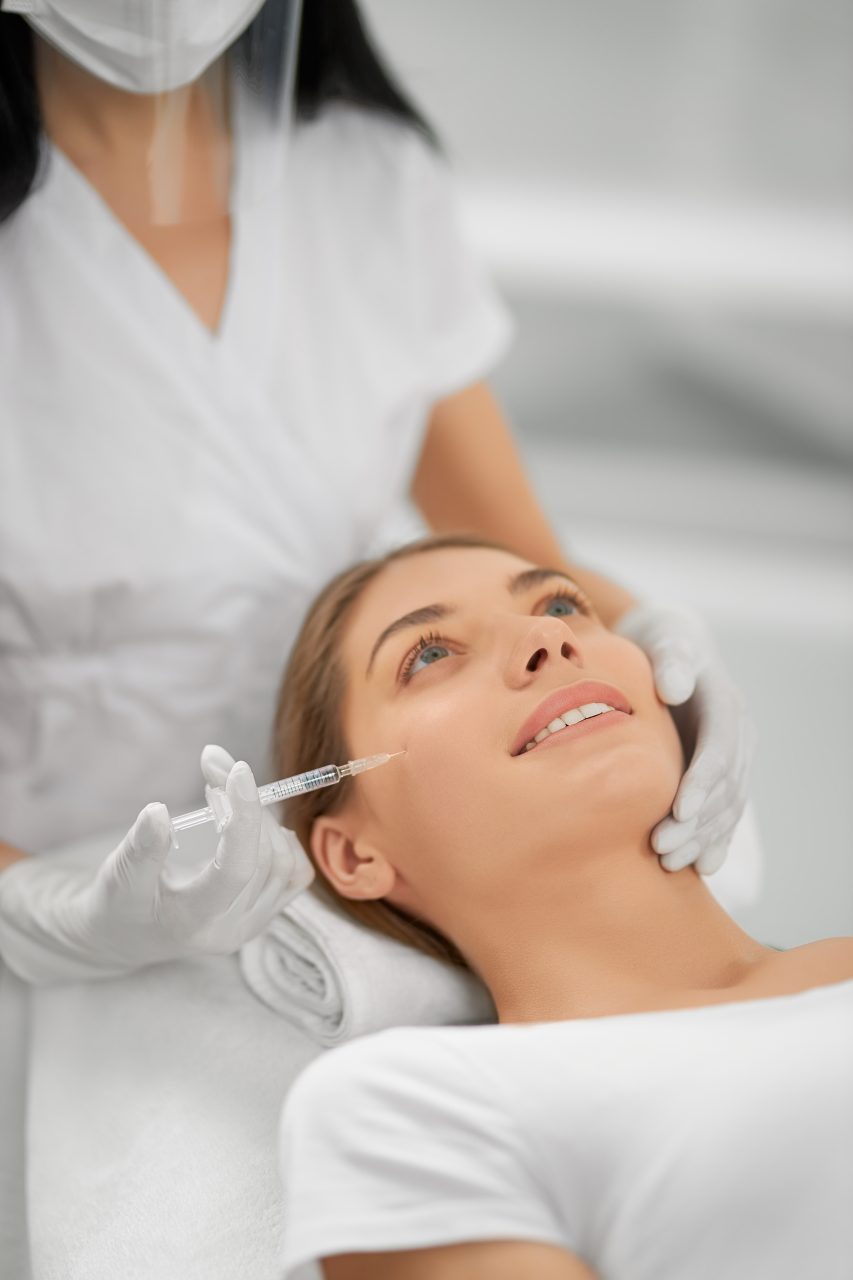
  • The face and cheeks.
  • The neck and dĂ©colletage.
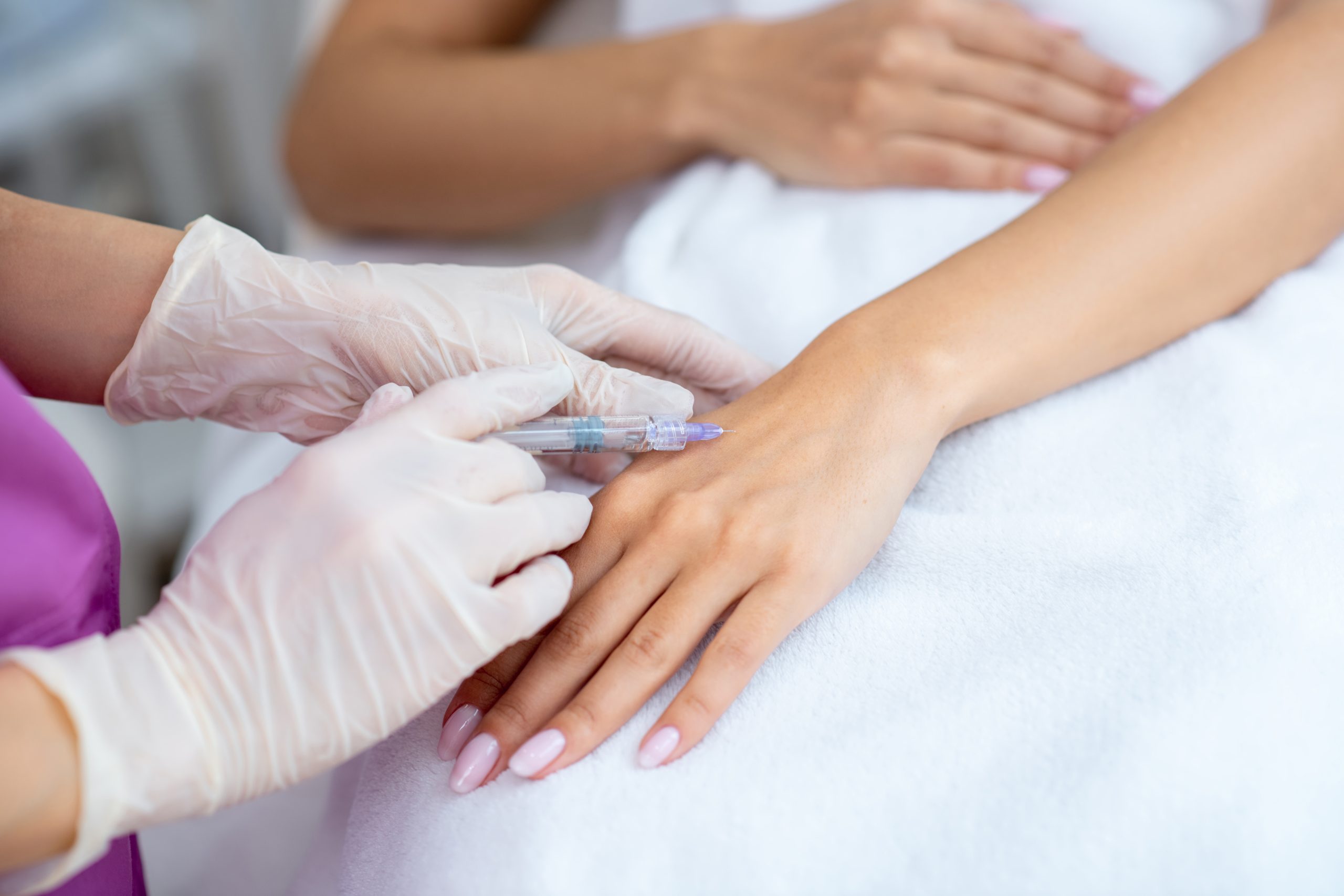
  • The hands and other suitable areas of the body.

The under-eye region is a particularly relevant treatment area, as the skin is naturally thin and prone to fine lines and changes in texture. Polynucleotides may offer an option for suitable patients seeking to improve skin quality without adding significant volume.

What Does Polynucleotide Treatment Involve?

Treatment begins with a consultation to assess your skin, discuss your concerns and determine whether polynucleotide injections are appropriate.

During the procedure, small amounts of the product are administered into the targeted areas using a fine needle or cannula. A topical numbing cream may be applied beforehand to improve comfort.

A typical appointment takes approximately 15–30 minutes, although this can vary depending on the number and size of the areas being treated.

Results and Recovery

Improvements following polynucleotide treatment generally develop gradually rather than immediately. Changes in skin texture, hydration and overall appearance may become more noticeable over the following weeks.

A course of two to three sessions is commonly recommended, although the number of treatments will depend on individual needs and the product used.

Temporary redness, swelling, tenderness or bruising may occur around the injection sites. Most patients can return to their usual daily activities shortly afterwards.

Patients are generally advised to avoid strenuous exercise, excessive heat and touching or massaging the treated area immediately after the procedure. Your specialist will provide personalised aftercare instructions.

Can Polynucleotides Be Combined with Other Treatments?

Polynucleotide injections may be incorporated into a broader skin rejuvenation plan, depending on the patient’s concerns and treatment goals.

At The Ezra Clinic, they may be considered alongside treatments such as microneedling and radiofrequency microneedling, which target different aspects of skin texture and quality.

Polynucleotides are also included in the clinic’s Eyes 2.0 treatment approach, which combines complementary techniques to address selected concerns around the eyes.

The suitability, timing and combination of treatments are determined through individual clinical assessment.

Why Choose The Ezra Clinic?

The delicate anatomy of the eye area requires specialist knowledge, particularly when considering injectable treatments close to the lower eyelids.

The Ezra Clinic specialises in oculoplastic surgery and periocular rejuvenation, combining detailed anatomical understanding with a personalised approach to non-surgical treatments.

Every treatment plan begins with an assessment of the patient’s concerns, skin condition and desired outcome. Where appropriate, polynucleotides may be recommended as a standalone treatment or incorporated into a wider rejuvenation plan.

What our patients say

“Absolutely flawless with their dedication and their customer service is second to none.”

– Jane

FAQ

Are Polynucleotide Injections Painful?

Most patients experience mild discomfort rather than significant pain. The injections may cause a brief stinging or pinching sensation, and a topical numbing cream can be used to make the procedure more comfortable.

How Many Sessions Will I Need?

A course of two to three treatments is commonly recommended, although this varies depending on the area being treated, the condition of the skin and individual goals. Your specialist will advise on the most appropriate schedule during consultation.

How Long Do the Results Last?

The duration of results varies between patients. Improvements may remain visible for several months, and maintenance treatments may be recommended.

Long-term clinical evidence remains limited, so it is not possible to guarantee a specific duration of benefit.

Are There Any Risks or Side Effects?

Common side effects include temporary redness, swelling, bruising and tenderness at the injection sites. Small raised areas may also be visible immediately after treatment.

Less common risks include infection, inflammatory reactions and allergic reactions. As many polynucleotide products are derived from fish, relevant allergies and the specific product formulation should be discussed during consultation.

How Are Polynucleotides Different from Profhilo?

Both treatments aim to improve skin quality, but they use different ingredients and approaches.

Profhilo is a hyaluronic acid-based injectable treatment primarily used to improve skin hydration and elasticity. Polynucleotides are DNA-derived compounds used to support skin repair and regeneration.

The most suitable option depends on your skin concerns and treatment goals. Learn more in our Profhilo vs Polynucleotides comparison guide.

How Much Does Polynucleotides Treatment Cost?

The cost depends on the areas being treated and the number of sessions recommended.

Your specialist will assess your individual needs and explain the proposed treatment plan and associated costs during consultation.

Contact us

If you are interested in any of the treatments we offer, or require any further information, we would love to hear from you. We offer both online and face to face consultations, allowing us to accommodate your individual needs and preferences. You can reach us by phone, email or by completing the contact form below.

This field is for validation purposes and should be left unchanged.
Please tell us how you heard about us