
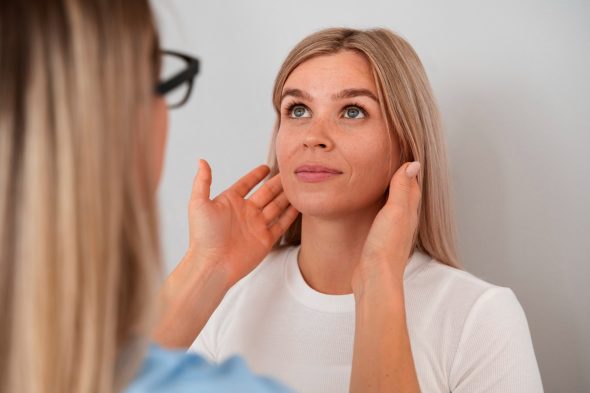
Blepharoplasty, Hooded Eyes and Facial Rejuvenation

Daniel Ezra, 12 March 2026

Hooded eyes are among the most common aesthetic and functional concerns patients bring to eyelid specialists. The condition occurs when excess skin on the upper eyelid folds down over the natural crease, creating a heavy, tired appearance that can make even well-rested individuals look fatigued.

For many people, hooded eyes also mean that eyeshadow or eyeliner seems to disappear into the fold, making makeup application frustrating. Beyond these cosmetic frustrations, hooded eyelids can sometimes restrict the upper and peripheral visual field, turning what begins as an aesthetic issue into a functional one that impacts daily life.

In this article, we explain what hooded eyes are, why they develop, how blepharoplasty addresses both aesthetic and functional concerns, and what to expect from modern eyelid rejuvenation surgery.

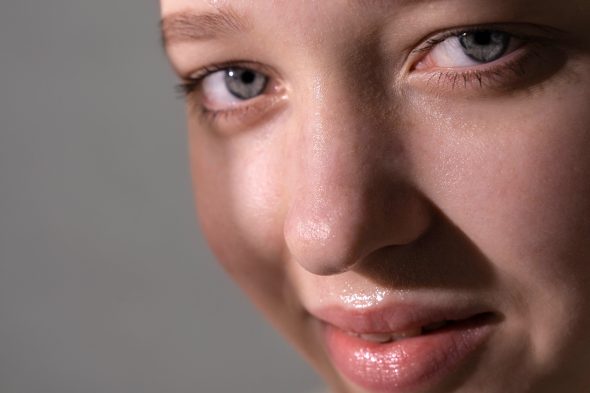
Close up beauty portrait of a woman with glowing natural skin and soft makeup.

What Are Hooded Eyes?

Hooded eyes refer to a condition in which the skin of the upper eyelid droops or folds downwards, partially or completely covering the natural eyelid crease. This excess tissue creates a “hooded” appearance that can make the eyes look smaller, heavier, or less defined. The condition can be present from a young age due to genetic factors, or it can develop gradually as part of the natural ageing process.

In younger individuals, hooded eyes are often due to inherited eyelid anatomy. In older adults, the same appearance typically results from loss of skin elasticity, weakening of the supporting muscles, and the gradual descent of fatty tissue. Regardless of the underlying cause, hooded eyes tend to alter the shape and expression of the eye area, often giving the face a more closed or less alert appearance.

Why Hooded Eyes Can Become More Than a Cosmetic Concern

Whilst many people first notice hooded eyes because of how they look, the condition often brings secondary concerns that extend beyond appearance. One of the most commonly reported complaints is a persistent heaviness or fatigue around the eyes, even after a full night’s sleep. This sensation occurs because the excess skin physically weighs down on the eyelid, creating tension in the surrounding muscles.

For those who enjoy wearing makeup, hooded eyes can make application extremely difficult, as eyeshadow and liner tend to transfer onto the overhanging skin or become hidden when the eyes are open. Many individuals also report that their upper or peripheral vision feels partially obstructed, particularly when looking upwards or to the side, which can interfere with activities such as driving or reading.

Perhaps most frustratingly, people with hooded eyes frequently hear comments such as “you look tired” or “are you feeling unwell?”, despite feeling perfectly fine. These cumulative effects often motivate individuals to explore blepharoplasty not only for aesthetic improvement but also for genuine quality-of-life benefits.
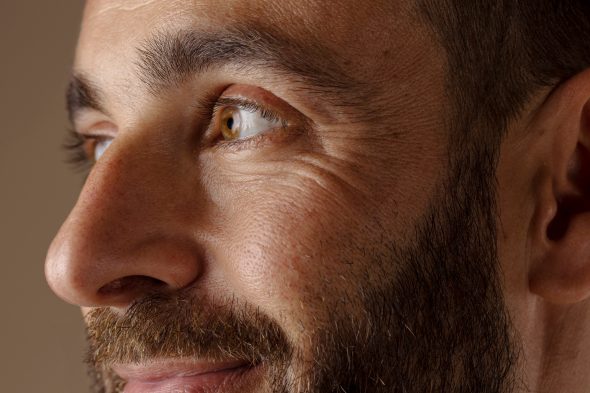
Side profile portrait of a woman with natural makeup and clear smooth skin.

What Is Blepharoplasty?

Blepharoplasty is a surgical procedure designed to rejuvenate the eyelids by removing or repositioning excess skin, and in some cases, underlying fat or muscle tissue. The term is most commonly associated with upper eyelid surgery, which addresses the hooded or droopy appearance of the upper lids; blepharoplasty can also be performed on the lower eyelids to reduce puffiness or under-eye bags.

During an upper blepharoplasty, the surgeon carefully removes a precisely measured strip of excess skin from the upper eyelid, usually along the natural crease, so that the resulting scar remains hidden. In cases where fatty deposits contribute to the hooded appearance, small amounts of fat may also be removed or repositioned to create a smoother contour.

The distinction between upper and lower blepharoplasty is important, as each addresses different anatomical concerns and requires a tailored surgical approach.

Blepharoplasty for Hooded Eyes: How It Works

The primary goal of blepharoplasty for hooded eyes is to open up the eye area by removing the excess skin that folds over the natural eyelid crease. By excising this redundant tissue, the surgeon creates a more defined eyelid contour and restores visibility of the upper lid platform. Patients often report their eyelids feel noticeably lighter and more mobile after surgery, as the physical weight of the overhanging skin has been lifted.

The procedure also restores or enhances the natural eyelid crease, which plays a crucial role in the eye’s overall proportion and balance. One of the hallmarks of a successful blepharoplasty is achieving a refreshed, alert appearance without creating an over-pulled or “surprised” look. The best outcomes are those in which the patient looks like a more rested, youthful version of themselves, rather than appearing as though they have had obvious surgery.

Portrait of a blonde woman with fresh natural skin gently touching her cheek.

Functional Benefits of Blepharoplasty

Whilst blepharoplasty is often thought of as a cosmetic procedure, it can deliver significant functional improvements for individuals whose hooded eyelids interfere with their vision or comfort. In cases where excess skin extends far enough to obstruct the upper visual field, removing this tissue can genuinely expand the field of vision, making everyday activities such as driving or reading considerably easier.

Many patients also report a reduction in eyelid heaviness, which can relieve chronic tension headaches or brow fatigue. In some individuals, excess skin folds can rub against the eye or trap moisture, leading to irritation or discomfort, particularly during prolonged screen use. By creating a smoother eyelid contour, blepharoplasty can alleviate these sources of irritation and improve overall comfort throughout the day.

Aesthetic Benefits: Facial Rejuvenation Through the Eye Area

The eyes are often described as the focal point of the face, and even subtle changes to the eyelid area can have a profound impact on overall facial appearance. Blepharoplasty rejuvenates the face by restoring a more open, youthful eye contour, which in turn makes the entire face appear more harmonious and alert.

The procedure does not simply address the eyelids in isolation but rather enhances the balance and proportion of the upper face. One of the core principles of modern blepharoplasty is the “rested but still yourself” approach, which prioritises natural-looking results that preserve the patient’s unique features. This is not merely eyelid surgery in a narrow sense, but a form of facial enhancement that respects each patient’s individual anatomy.

In some cases, blepharoplasty is combined with complementary treatments such as a brow lift to address forehead heaviness, tear trough filler to smooth the transition between the lower eyelid and cheek, or non-surgical skin tightening to improve texture around the eyes. These combination approaches allow for a more comprehensive rejuvenation whilst maintaining facial proportions and balance.

Potential Risks and Why Surgeon Expertise Matters

As with any surgical procedure, blepharoplasty carries potential risks that patients should be aware of before proceeding.

Common side effects include swelling and bruising around the eyes, which typically resolve within one to two weeks. Asymmetry between the two eyelids is another possible outcome, particularly if healing progresses differently on each side. Dry eye symptoms are occasionally reported, especially in individuals with a tendency towards dryness, and are usually temporary but may require lubricating eye drops during recovery.

More serious complications, such as infection or scarring, are rare but underscore the importance of choosing a highly skilled surgeon. An oculoplastic approach, which combines expertise in both the functional and aesthetic aspects of eyelid surgery, is particularly valuable.

The Ezra Clinic Insight: Surgeons who specialise in oculoplastic procedures understand the delicate anatomy of the eyelid and are trained to balance functional preservation with aesthetic enhancement. The skill and judgement of the surgeon have a direct impact not only on the safety of the procedure but also on the naturalness and longevity of the results.

Studio portrait of a woman with soft makeup and clear skin resting her hands under her chin.

Our Approach to The Best Blepharoplasty Results in London

Dr Daniel Ezra is an experienced blepharoplasty surgeon with a specialist focus on eyelid surgery and natural-looking outcomes. His approach is grounded in precise surgical planning and an individualised assessment of each patient’s eyelid anatomy, facial proportions, and symmetry.

Rather than applying a one-size-fits-all approach, Dr Ezra tailors every procedure to each patient’s unique characteristics, ensuring results that enhance rather than alter their natural appearance. The goal is always to achieve a refreshed, rested look whilst preserving the patient’s natural eye shape and expression.

The Clinic is committed to the highest standards of patient safety and aftercare, which includes a thorough pre-operative assessment, clear recovery guidance, and ongoing follow-up support to monitor healing and address any concerns.


Latest articles

Beauty portrait of a woman with long brown hair, glowing skin, and small stud earrings looking toward the camera.

From Genetics to Lifestyle: Why Do I Have Dark Circles Under My EyesBlog post template

Daniel Ezra Blog

View Post

Contact us

If you are interested in any of the treatments we offer, or require any clarifications, we would love to hear from you. We deal with all issues relating to the Harley Street and Moorfields practices. You can reach us by phone, by email or by filling out the contact form below.

This field is for validation purposes and should be left unchanged.
This field is hidden when viewing the form
Please tell us how you heard about us