

The Most Effective Crepey Neck Treatment Options

Daniel Ezra, 22 May 2026

Crepey skin on the neck is one of the most common signs of skin ageing, yet it is also one of the most overlooked. Whether it appears gradually over time or develops almost overnight, the thin, papery texture that forms on the neck can be difficult to address without understanding what is actually causing it and which treatments are genuinely effective.

This guide covers everything you need to know about crepey neck skin, from the underlying causes through to the most effective professional treatment options currently available.

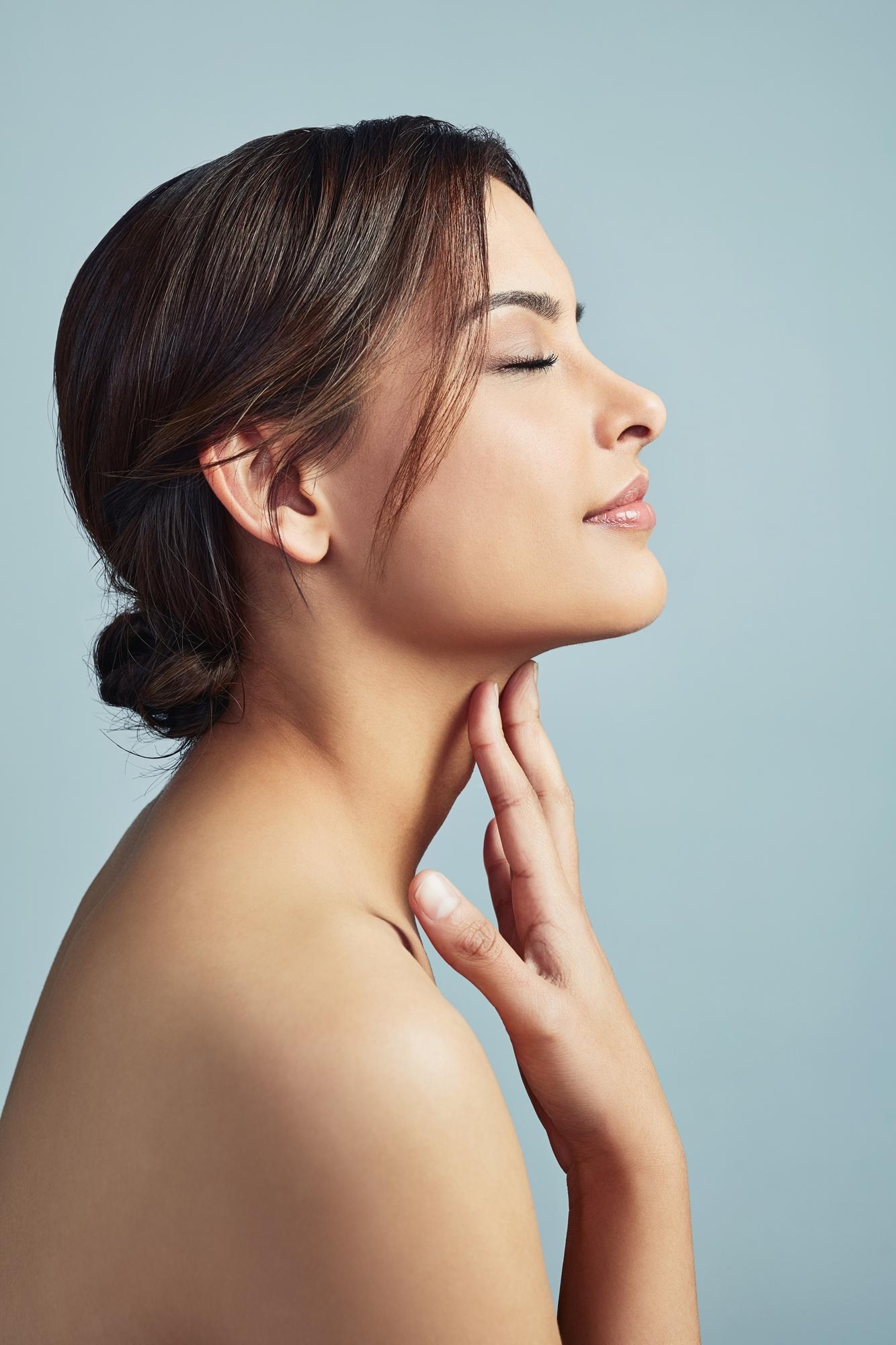
Side-profile beauty portrait of a woman gently touching her neck against a soft blue background.

What Is Crepey Neck Skin?

Crepey neck skin is a common cosmetic concern characterised by a thin, fragile, and finely wrinkled texture that resembles crepe paper. Unlike the deeper folds associated with more advanced skin laxity, crepey skin has a delicate, papery quality that can make it look aged and lack lustre, even in people who are otherwise in good health.

The neck is particularly prone to this concern for several reasons. The skin in this area is naturally thinner than on the face, contains fewer sebaceous glands, and is frequently exposed to environmental aggressors. It is also an area many people neglect in their daily skincare routine, so cumulative damage often goes unaddressed for years before it becomes visually apparent.

What Causes Crepey Skin on the Neck?

Several factors contribute to the development of crepey skin on the neck, and in most cases, multiple causes are present at once.

Natural ageing is the most significant driver. As we age, the body produces less collagen and elastin, the proteins responsible for keeping skin firm, plump, and resilient. Without adequate levels of these structural proteins, the skin loses its ability to spring back and begins to take on that characteristic thin, crinkled appearance.

Sun exposure and photoageing accelerate this process considerably. Ultraviolet radiation breaks down collagen fibres and damages the skin’s ability to repair itself over time. The neck, often left unprotected from the sun, accumulates years of this damage.

Dehydration also plays a role. As skin thins with age, it retains moisture less effectively, making the texture appear more pronounced.

Weight fluctuations and hormonal changes, particularly around the menopause, can affect skin density and elasticity, causing the neck area to appear looser or more textured than before.

Finally, genetic predisposition means that some individuals are more likely to develop crepey skin earlier or more severely than others, regardless of lifestyle factors.
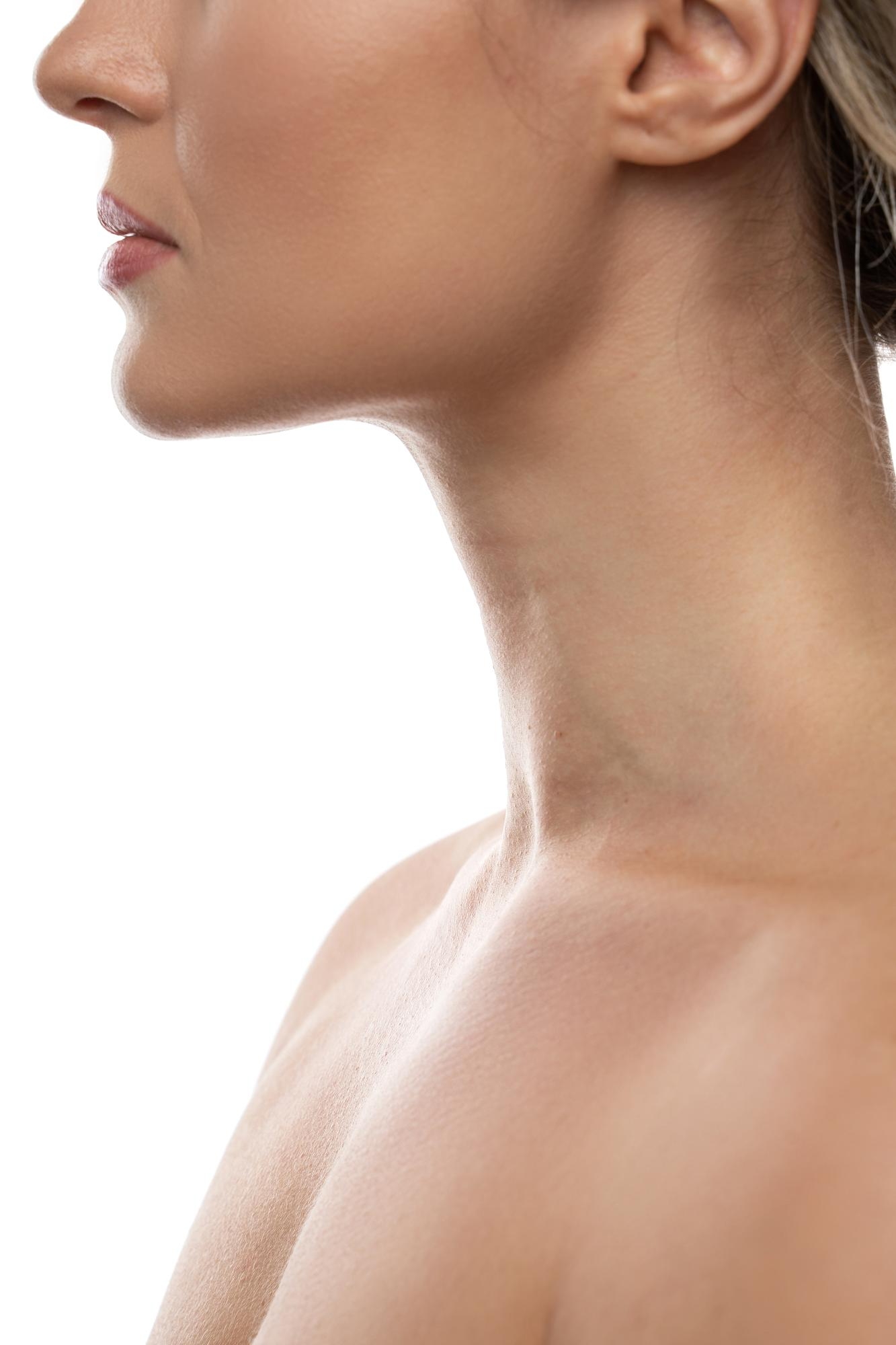
Close-up side profile of a woman’s jawline, neck, and shoulder on a white background.

Can Crepey Neck Skin Be Reversed?

It is important to approach this question honestly. Full reversal of crepey skin is not realistic, but a meaningful and visible improvement is absolutely achievable with the right treatments. The goal is to restore skin quality, improve hydration and firmness, and reduce the appearance of fine wrinkling rather than to turn back the clock entirely.

Skin quality treatments that address the underlying causes of crepey skin, rather than simply masking the surface, tend to deliver the most satisfying outcomes. Early intervention is also key. The sooner treatment begins, the easier it is to slow further deterioration and maintain a more youthful appearance. Combination approaches, which target multiple aspects of skin ageing simultaneously, consistently deliver better results than any single treatment alone.

The Most Effective Crepey Neck Treatment Options

Polynucleotides for Skin Regeneration

Polynucleotide treatments work by stimulating fibroblast activity, the cells responsible for producing collagen and elastin, and supporting natural tissue repair. When injected into the skin, they improve skin quality, elasticity, and hydration at the cellular level. Polynucleotides are particularly well-suited to thin, delicate skin, such as that on the neck, making them among the most effective options for crepey skin concerns. Results are subtle and natural-looking, developing gradually over several weeks.

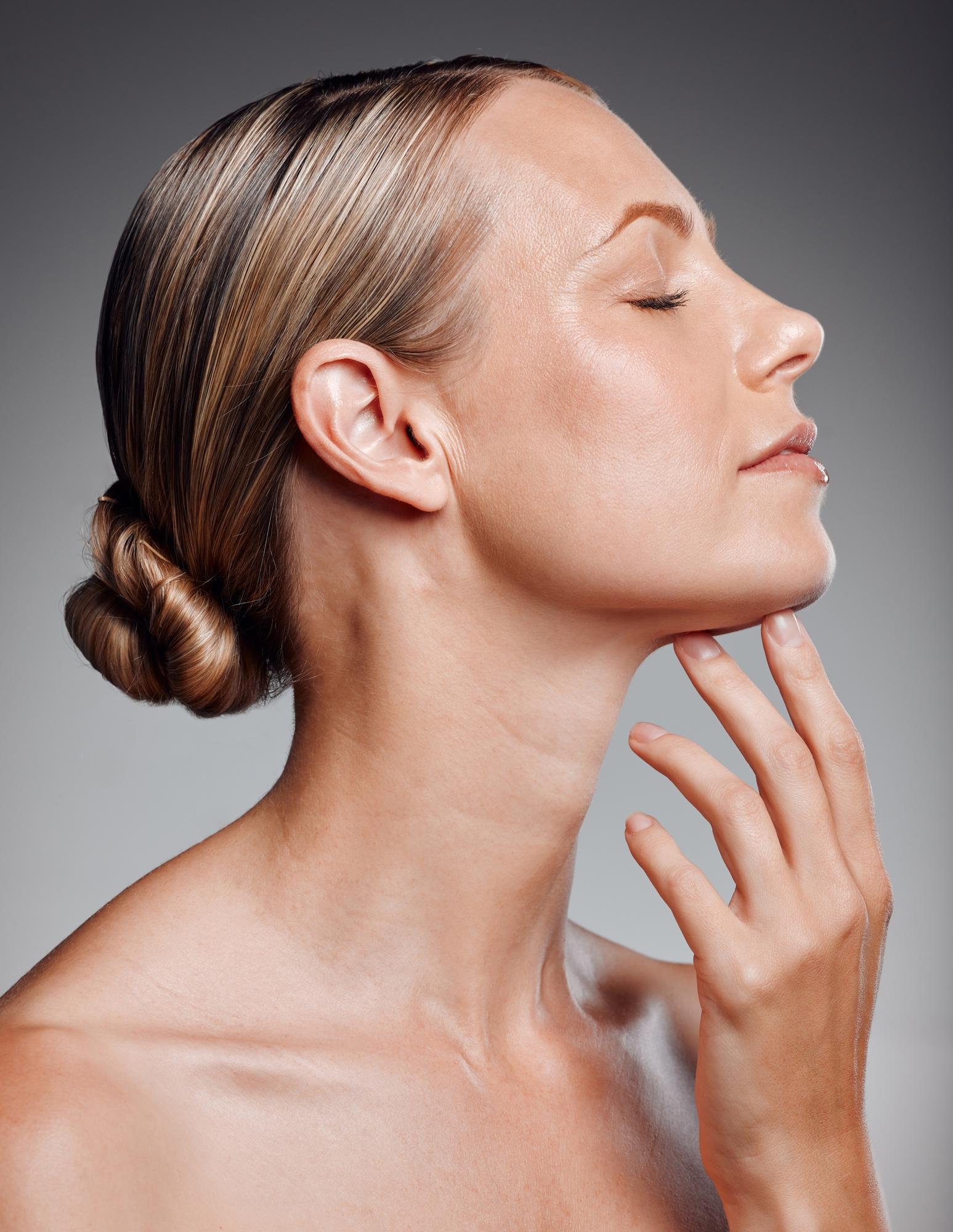
Side-profile studio portrait of a mature woman touching her neck and chin.

Profhilo for Deep Hydration and Firmness

Profhilo is a high-concentration hyaluronic acid treatment that works differently from traditional dermal fillers. Rather than adding volume, it has a bio-remodelling effect, dispersing through the skin to stimulate collagen and elastin production while deeply hydrating the tissue. It improves skin laxity and overall texture, leaving the neck looking smoother, firmer, and more radiant without altering the natural contours of the face or neck.

Laser Skin Resurfacing

CO2 laser resurfacing encourages skin renewal by triggering the skin’s natural repair response and promoting collagen remodelling. They reduce the appearance of fine lines, improve overall skin tone, and can simultaneously address pigmentation concerns that often accompany ageing skin. The neck responds well to carefully selected laser protocols when performed by an experienced clinician.

Skin Boosters for Texture Improvement

Skin boosters are injectable treatments designed to enhance hydration and improve overall skin quality from within. While they do not dramatically tighten the skin, they support the outcomes of other treatments and contribute to a more refined, healthy-looking texture. They are best used as part of a broader treatment plan rather than as a standalone solution.

Combination Treatments for Optimal Results

No single treatment addresses every aspect of crepey neck skin, which is why combination approaches consistently deliver superior outcomes. A common and effective pairing, for example, is polynucleotides alongside radiofrequency microneedling, which addresses both skin quality and laxity simultaneously. The most important element is a personalised treatment plan, designed around each individual’s skin quality, degree of laxity, and aesthetic goals.

Non-Treatment Options: What Helps (and What Does Not)

Skincare does have a role to play in managing crepey neck skin, particularly in the early stages and as a complement to professional treatment. Retinoids can stimulate collagen production over time; a broad-spectrum SPF is essential to prevent further photoageing; and well-formulated moisturisers help maintain the skin barrier and reduce the visible appearance of fine lines.

However, it is important to set realistic expectations. Topical products act on the surface and cannot replicate the structural changes achieved with injectable or energy-based treatments. For visible crepey skin, skincare alone is unlikely to be sufficient.

When to Consider Professional Treatment

Professional treatment is worth considering when skincare products no longer seem to be making a difference, when the texture of the neck skin has become noticeably more pronounced, or when skin laxity is beginning to affect your confidence. Early treatment is always preferable to waiting, as it is significantly easier to maintain and improve skin quality than to address more advanced changes later. The benefits of acting sooner rather than later are both aesthetic and practical.

Beauty profile of a woman with smooth skin touching her neck against a light blue background.

Why Choose The Ezra Clinic for Crepey Neck Treatment?

The Ezra Clinic offers a doctor-led approach to crepey neck treatment, focusing on natural, refined results rather than overcorrection. Treatments are chosen from a carefully selected range of advanced regenerative and aesthetic options, and every patient receives a personalised treatment plan tailored specifically to their skin quality, concerns, and goals. The emphasis is always on restoring skin health in a way that looks and feels right for the individual.


Latest articles

Contact us

If you are interested in any of the treatments we offer, or require any clarifications, we would love to hear from you. We deal with all issues relating to the Harley Street and Moorfields practices. You can reach us by phone, by email or by filling out the contact form below.

This field is for validation purposes and should be left unchanged.
This field is hidden when viewing the form
Please tell us how you heard about us