


Upper and Lower Blepharoplasty: Comparison and Expert Advices

Daniel Ezra, 27 June 2026

Blepharoplasty is a surgical procedure designed to rejuvenate the appearance of the eye area by addressing changes that develop with age, genetics, or lifestyle. As the eyelids are among the first facial features to show signs of ageing, many patients seek treatment to restore a fresher, more rested look.

There are two distinct forms of blepharoplasty: upper and lower. Each procedure targets a different anatomical area and addresses different concerns. Some patients require only one, while others achieve the most harmonious results by combining both. Understanding the differences between them is an important first step in determining which approach may be right for you.

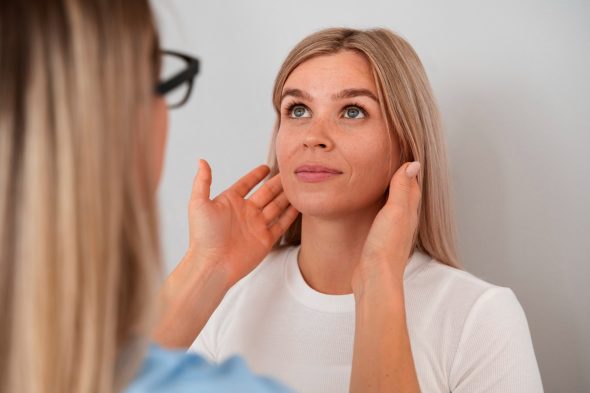
Woman pressing fingers to her forehead and temples while performing a facial massage.

What Does Upper Blepharoplasty Treat?

Upper blepharoplasty focuses on the upper eyelids. Over time, the skin of the upper eyelid loses elasticity and begins to sag, creating a heavy or hooded appearance. In some cases, excess skin descends far enough to rest on the eyelashes or even obstruct the upper visual field.

Common concerns addressed by upper blepharoplasty include excess upper eyelid skin, hooded eyelids, a tired or aged appearance, and visual obstruction caused by skin redundancy. By carefully removing the surplus skin and, where appropriate, addressing underlying fat or muscle, the procedure creates a more open and refreshed appearance. The incision is placed within the natural crease of the upper eyelid, ensuring the resulting scar remains well hidden.

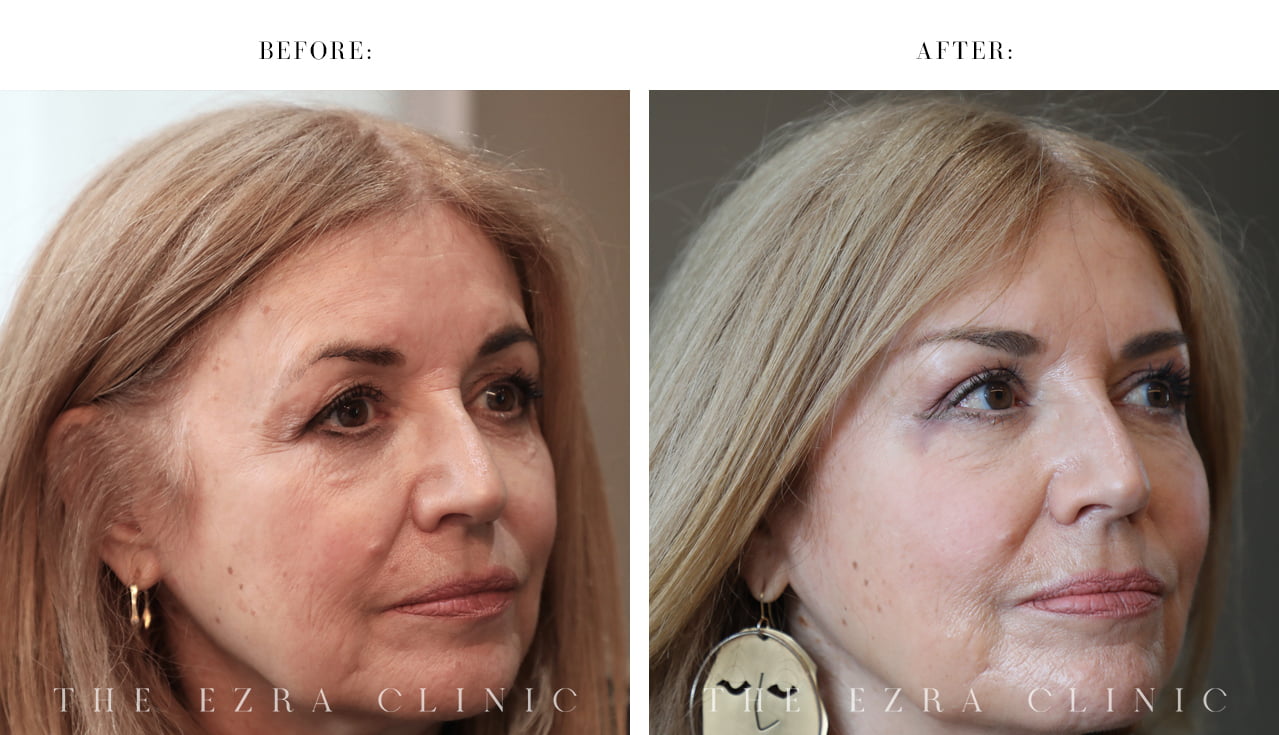
This patient presented with considerable hooding and overhanging skin concentrated at the outer corners of the upper eyelids. The degree of excess was such that blepharoplasty alone would not have been sufficient to fully clear the skin, so a direct brow lift was performed in addition to the procedure. This involved a carefully placed incision just above the eyebrow.

At her six-week review, scarring was minimal and largely imperceptible. The direct brow lift proved highly effective, not only elevating the brow position but also improving the crow’s feet area and lifting the upper cheek. Together, the two procedures considerably opened the lateral aspect of the eye, producing a marked and natural improvement in overall appearance.
Upper Blepharoplasty Before and After

Before and after bilateral upper lid blepharoplasty and direct brow lift demonstrating a more open eye appearance and improved brow position
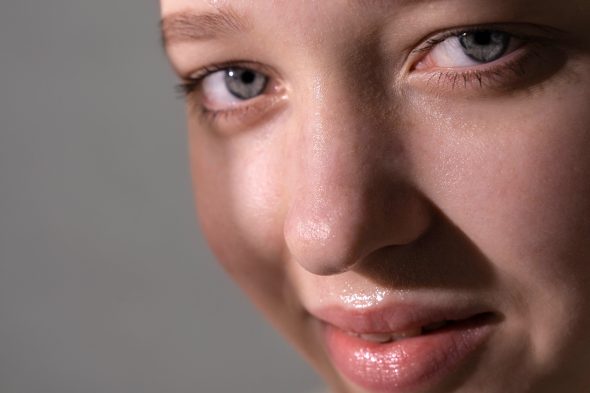
Aesthetician in pink gloves examining a female patient's face during a skin consultation.

What Does Lower Blepharoplasty Treat?

Lower blepharoplasty focuses on the area beneath the eyes. The lower eyelid is susceptible to a different set of age-related changes, most notably the development of bags, puffiness, and hollowing.

Common concerns include under-eye bags, persistent puffiness, fat prolapse (where the orbital fat pushes forward beneath the skin), tear-through hollowing, and a permanently fatigued appearance. Modern lower blepharoplasty has evolved considerably. Rather than simply removing fat, which can result in a hollow and over-operated look, the emphasis is now on repositioning and redistributing fat to restore smooth, natural contours. This approach produces results that look refreshed rather than surgically altered.

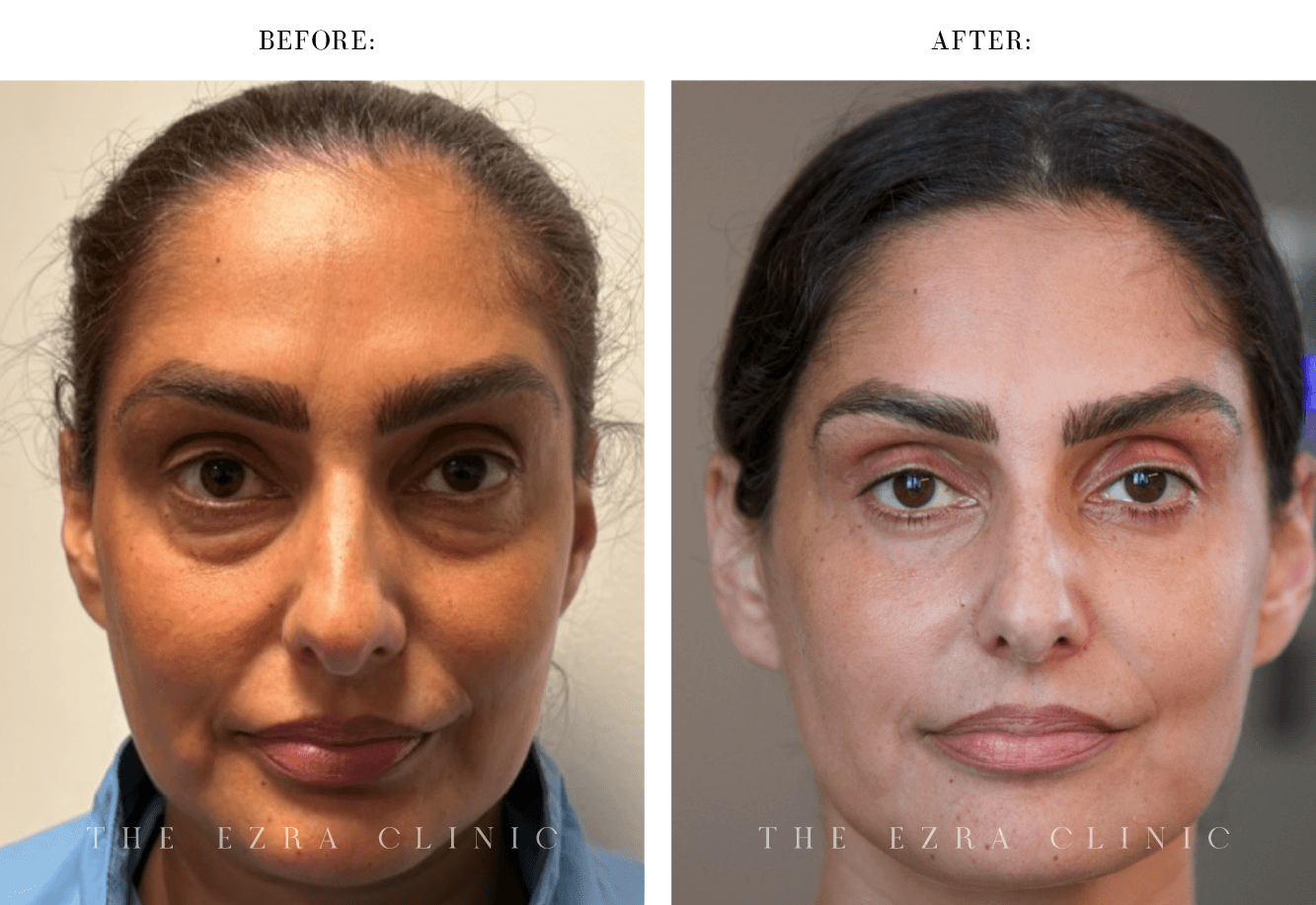
This lady underwent a scarless transconjunctival lower eyelid blepharoplasty, with fat repositioning carried out as part of a tissue-preservation approach. Rather than removing fat, this technique redistributes it to restore smooth, natural contours beneath the eye. Photographs taken six months after surgery show an excellent improvement in the under-eye area, with a result that looks entirely natural and refreshed.

Lower Blepharoplasty Before and After

Female patient before and after lower blepharoplasty showing improvement in under-eye bags, tear trough hollowing and lower eyelid shadows
Woman pressing fingers to her forehead and temples while performing a facial massage.

Upper vs Lower Blepharoplasty: Key Differences

Upper BlepharoplastyLower Blepharoplasty
Treats the upper eyelidsTreats the lower eyelids
Addresses excess skin and hoodingAddresses bags, puffiness and hollowing
Incision hidden within the upper eyelid creaseOften performed through a scar-less transconjunctival approach
Can improve visual obstructionPrimarily improves aesthetics and facial rejuvenation
Focuses on upper eyelid ageingFocuses on lower eyelid ageing

How Are Upper and Lower Blepharoplasty Similar?

Despite targeting different areas, upper and lower blepharoplasty share a number of important qualities. Both procedures rejuvenate the eye area and aim to create a fresher, more rested appearance. Both require a detailed and careful assessment of the patient’s facial anatomy before any surgical plan is made. Both are highly personalised treatments, tailored to the individual’s specific concerns and features. Both can be performed under local anaesthetic in suitable patients, and both are guided by a commitment to natural-looking rather than over-corrected results.

Can Upper and Lower Blepharoplasty Be Performed Together?

Many patients experience age-related changes in both the upper and lower eyelids simultaneously, which is entirely natural. In these cases, a combined approach can offer significant advantages.

Performing both procedures together allows for comprehensive eye rejuvenation in a single surgical session. The results are balanced and harmonised, as both the upper and lower portions of the eye are addressed at the same time. Patients also benefit from a single recovery period rather than two separate ones. The overall effect is a more complete and cohesive rejuvenation of the entire eye area.

Whether a combined approach is appropriate depends entirely on individual anatomy and goals, and is always determined following a thorough consultation.

Patient Example: Combined Upper and Lower Blepharoplasty

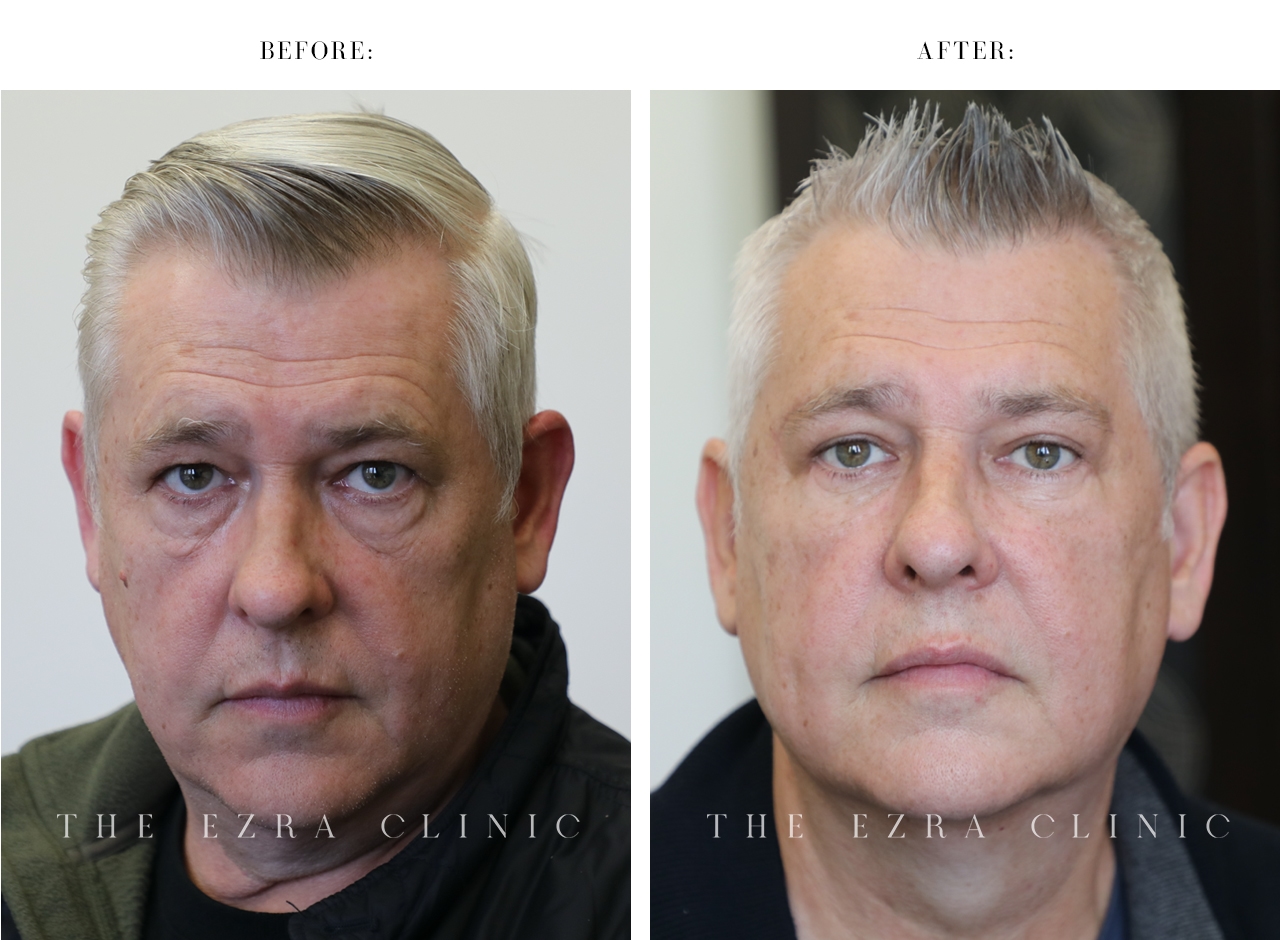
Male patient after blepharoplasty and midface lift with improved under-eye definition and a refreshed appearance

This patient had been troubled by lower eyelid bags for a number of years, with the appearance worsening progressively over time. Assessment also revealed significant midface descent, characterised by a downward shift of the cheeks and a drawn quality to the mid-facial area, as well as mild excess skin on the upper eyelids. Given the combination of concerns, a combined upper and lower lid blepharoplasty was performed alongside midface elevation.

When performing eyelid surgery in male patients, it is particularly important to preserve the gender-specific characteristics of the periorbital area. A degree of natural variation should be retained to avoid a result that appears over-corrected or feminised.
The midface elevation was highly effective in smoothing the transition between the lower eyelid and the cheek by lifting the descended soft tissue. Swelling resolved over three to four weeks, revealing a significantly more rested and natural appearance overall.

Woman touching her eyebrows with both hands against a light gray background.

How Do You Know Which Procedure You Need?

You May Benefit from Upper Blepharoplasty If:

  • Your upper eyelids feel heavy or weighed down
  • Excess skin rests on your eyelashes
  • You find eye makeup more difficult to apply than before
  • Your eyes appear smaller or more hooded than they used to

You May Benefit from Lower Blepharoplasty If:

  • You have persistent under-eye bags that do not resolve with rest
  • Puffiness remains throughout the day
  • Concealers and skincare products no longer improve the appearance beneath your eyes
  • You look tired even when you are well rested

You May Benefit from Both Procedures If:

  • You notice signs of ageing above and below the eyes
  • Your eyes appear tired when viewed from multiple angles
  • You are seeking comprehensive rejuvenation of the entire eye area
  • Both upper eyelid hooding and lower eyelid bags are present

Why Choose The Ezra Clinic for Blepharoplasty?

Mr Daniel Ezra is a consultant oculoplastic surgeon with specialist expertise in the anatomy and function of the eyelids and surrounding structures. Oculoplastic surgery is the subspecialty that focuses specifically on this area, bringing a level of precision and anatomical knowledge that goes beyond general cosmetic surgery.

At The Ezra Clinic, the philosophy is centred on achieving results that look natural, elegant, and appropriate for each individual patient. Treatment is never a one-size-fits-all approach. Every patient undergoes a thorough assessment before any surgical recommendation is made, ensuring that the plan is tailored to their unique anatomy, concerns, and aesthetic goals. Advanced surgical techniques are used throughout, with a commitment to minimising scarring and optimising outcomes.


Latest articles

Contact us

If you are interested in any of the treatments we offer, or require any clarifications, we would love to hear from you. We deal with all issues relating to the Harley Street and Moorfields practices. You can reach us by phone, by email or by filling out the contact form below.

This field is for validation purposes and should be left unchanged.
This field is hidden when viewing the form
Please tell us how you heard about us