Entropion vs Ectropion: What’s the Difference?

Daniel Ezra, 27 October 2026

Entropion and ectropion are two conditions that affect the position of the eyelid. Although they share several symptoms, including irritation, redness and excessive tearing, they cause the eyelid to turn in opposite directions.

Understanding the differences between entropion and ectropion can help you recognise potential symptoms and understand why each condition may require a different treatment approach.

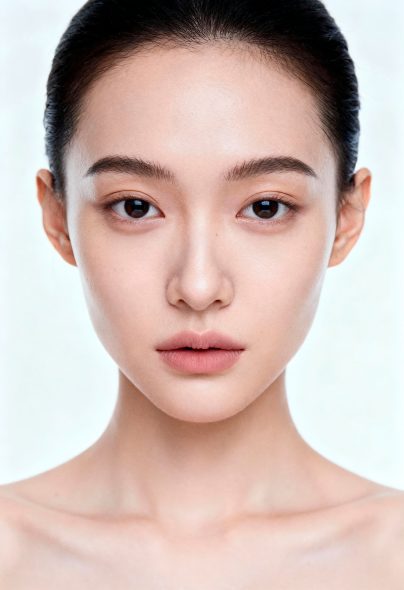
Front-facing beauty portrait of an Asian woman with her hair pulled back and clear, natural skin against a white background.

Entropion vs Ectropion: Key Differences

The main difference between entropion and ectropion is the direction in which the eyelid turns.

Entropion occurs when the eyelid turns inward, causing the eyelashes and surrounding skin to rub against the surface of the eye. In contrast, ectropion occurs when the eyelid turns outward, exposing its inner surface and preventing it from sitting properly against the eye.

Both conditions most commonly affect the lower eyelid. However, their underlying causes, symptoms and potential complications can differ.

FeatureEntropionEctropion
Eyelid positionTurns inwardTurns outward
Main problemEyelashes and skin rub against the eyeInner eyelid becomes exposed
Common symptomsIrritation, redness, watering and a gritty sensationWatering, dryness, irritation and visible eyelid drooping
Common causesAgeing, scarring and muscle spasmsAgeing, scarring, facial nerve weakness and mechanical factors
Potential complicationsCorneal abrasions and ulcerationExposure-related dryness and corneal damage
TreatmentSymptom management and surgical correctionOcular surface protection and surgical correction
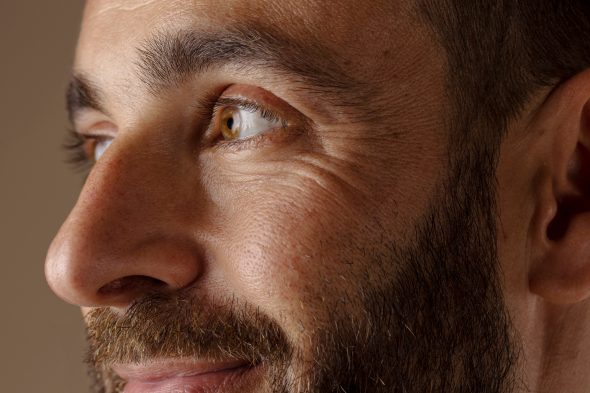
Side profile close-up of a woman’s eye, brow and nose with glowing skin against a dark background.

What Causes Entropion and Ectropion?

Both entropion and ectropion commonly develop as a result of age-related changes to the eyelid. Over time, the muscles and supporting tissues surrounding the eye can weaken, affecting the eyelid’s stability and position.

However, several other factors can contribute to each condition.

Causes of Entropion

Age-related weakening of the eyelid’s supporting tissues is one of the most common causes of entropion. As these structures lose their strength and stability, the lower eyelid may begin to turn inward.

Other possible causes include:

  • Scarring: Injuries, inflammation or previous surgery can cause scarring on the inner surface of the eyelid, pulling it towards the eye.
  • Muscle spasms: Involuntary contractions of the muscles surrounding the eye can contribute to inward turning of the eyelid.
  • Congenital abnormalities: In rare cases, entropion may be present from birth due to abnormalities affecting eyelid development.
Extreme close-up of a hazel eye showing the iris, lashes and brow with freckled skin.

Causes of Ectropion

Ectropion is also frequently associated with age-related changes, particularly weakening and stretching of the lower eyelid’s supporting tissues.

Other potential causes include:

  • Scarring and skin contraction: Injuries, burns or previous surgery may cause the skin to tighten, pulling the eyelid away from the eye.
  • Facial nerve paralysis: Weakness or paralysis of the facial muscles can interfere with normal eyelid support and movement.
  • Mechanical factors: Lesions or masses affecting the eyelid may pull it outward.
  • Previous eyelid surgery: Procedures such as blepharoplasty can occasionally lead to ectropion when scarring or changes to the supporting tissues affect eyelid position.

How Do the Symptoms Differ?

Entropion and ectropion can produce similar symptoms, particularly redness, irritation and excessive tearing. However, these symptoms develop for different reasons.

With entropion, the inward-turning eyelid causes the eyelashes and skin to rub against the ocular surface. With ectropion, the eyelid turns away from the eye, disrupting its normal protective function and potentially interfering with tear drainage.

Symptoms of Entropion

As the eyelid turns inward, the eyelashes and surrounding skin repeatedly come into contact with the surface of the eye. This friction can cause persistent discomfort and irritation.

Common symptoms include:

  • A gritty sensation or the feeling of something in the eye.
  • Redness and irritation.
  • Excessive tearing.
  • Increased sensitivity to light.
  • Discomfort caused by the eyelashes rubbing against the ocular surface.

Symptoms may become more persistent as the condition progresses, particularly if the cornea becomes irritated.

Symptoms of Ectropion

Ectropion causes the lower eyelid to turn outward, exposing its inner surface and preventing it from resting properly against the eye.

Common symptoms include:

  • Visible outward turning or drooping of the lower eyelid.
  • Excessive tearing or watery eyes.
  • Dryness and irritation.
  • Redness of the exposed inner eyelid.
  • A persistent gritty or uncomfortable sensation.

Although dryness and excessive tearing may seem contradictory, they can occur simultaneously.

When the lower eyelid turns outward, tears may no longer drain effectively through the normal drainage system. At the same time, the eyelid may be unable to distribute tears properly across the ocular surface, contributing to dryness and irritation.

How Are Entropion and Ectropion Diagnosed?

Entropion and ectropion are generally diagnosed through a specialist examination of the eyelids and ocular surface.

During the assessment, your specialist will examine the position and function of the eyelids, assess the strength and stability of their supporting tissues, and check for any signs of irritation or corneal damage.

Your medical history may also help identify the underlying cause, particularly if you have previously undergone eyelid surgery, experienced an injury or developed facial nerve problems.

Identifying the cause and severity of the condition is important when determining the most appropriate treatment.

Extreme close-up of a brown eye, eyebrow and surrounding skin texture on deeper skin.

Entropion vs Ectropion: How Do Treatments Differ?

Treatment for both entropion and ectropion depends on the underlying cause, the severity of the eyelid malposition and whether the ocular surface has been affected.

Non-surgical treatments may provide temporary symptom relief and help protect the eye. However, persistent structural changes to the eyelid often require surgical correction to achieve a lasting improvement.

Entropion Treatment

Initial treatment for entropion may involve lubricating eye drops or ointments to reduce friction and protect the ocular surface. Temporary measures, such as eyelid taping or botulinum toxin injections, may also be considered in selected cases.

Although these approaches can help manage symptoms, they do not necessarily address the underlying structural problem.

Entropion surgery aims to restore the eyelid’s normal position, preventing the eyelashes and surrounding skin from rubbing against the eye. The surgical technique depends on the cause of the inward turning and the condition of the eyelid’s supporting tissues.

Learn more about the available procedures and recovery process on our Entropion Surgery treatment page.

Ectropion Treatment

Non-surgical treatment for ectropion generally focuses on protecting the exposed ocular surface and relieving symptoms. Lubricating eye drops, ointments and other protective measures may be recommended, depending on the severity of the condition.

When surgery is appropriate, the aim is to reposition the eyelid against the eye and restore its normal protective function.

Age-related ectropion is commonly corrected by tightening the lower eyelid. However, cases involving scarring, facial nerve paralysis or previous eyelid surgery may require additional reconstructive techniques.

Explore the different surgical approaches and what to expect during recovery on our Ectropion Surgery treatment page.

When Should You See an Eye Specialist?

If you notice that your eyelid is turning inward or outward, particularly alongside persistent irritation, redness or excessive tearing, a specialist assessment can help establish the underlying cause.

You should also seek medical advice if your eyelid no longer appears to protect the eye properly or if your symptoms are becoming progressively worse.

Severe eye pain, significant sensitivity to light or changes in vision require urgent medical assessment, as these symptoms may indicate corneal damage or another condition requiring prompt treatment.

Frequently Asked Questions

Which Is More Common: Entropion or Ectropion?

Both conditions become more common with age, particularly as the supporting tissues of the lower eyelid weaken. Their relative frequency varies between populations, so neither condition can be considered universally more common.

Can You Have Both Entropion and Ectropion?

Yes. Although entropion and ectropion affect eyelid position in opposite directions, it is possible to experience both conditions in different eyelids or eyes.

Each condition requires an individual assessment to determine its underlying cause and the most appropriate treatment.

Can Entropion or Ectropion Go Away on Its Own?

Age-related entropion and ectropion generally do not resolve permanently without treatment because they involve structural changes to the eyelid.

However, some temporary or reversible causes of eyelid malposition may improve when the underlying problem is addressed. A specialist examination can help determine whether treatment is necessary.

Is Surgery Always Necessary?

Not always. Lubricating eye drops, ointments and other protective measures may help manage symptoms, particularly in mild cases or while awaiting further treatment.

However, when entropion or ectropion is caused by persistent structural changes, surgery is often required to restore the eyelid’s normal position.

Can Entropion or Ectropion Return After Surgery?

Both conditions can occasionally recur following surgical correction, particularly if the underlying changes affecting eyelid position continue to develop.

The likelihood of recurrence depends on several factors, including the original cause, the surgical technique and the condition of the surrounding tissues.

Can Entropion and Ectropion Damage Your Eyes?

Yes. Both conditions can potentially damage the ocular surface if left untreated, although they affect the eye in different ways.

With entropion, repeated friction from the inward-turning eyelashes and skin can cause corneal abrasions, inflammation and, in more severe cases, corneal ulceration.

With ectropion, the outward-turning eyelid may leave the ocular surface inadequately protected. Persistent exposure can contribute to dryness, inflammation and exposure keratopathy, which may lead to corneal damage in more severe cases.

Not every patient develops these complications. However, persistent symptoms should be assessed to identify any potential risks and determine whether treatment is appropriate.

Latest articles

Contact us

If you are interested in any of the treatments we offer, or require any further information, we would love to hear from you. We offer both online and face to face consultations, allowing us to accommodate your individual needs and preferences. You can reach us by phone, email or by completing the contact form below.

This field is for validation purposes and should be left unchanged.
Please tell us how you heard about us