
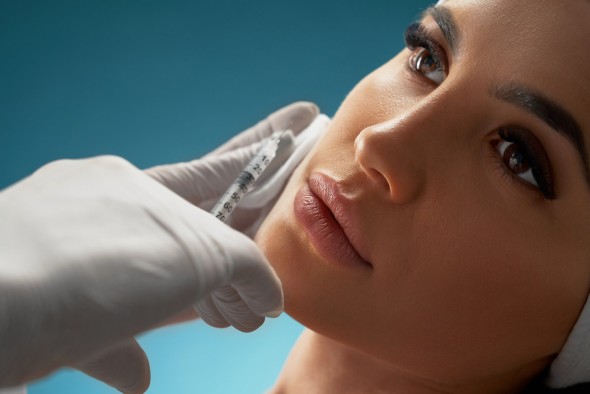
How Hyaluronidase Injections Reverse Unwanted Dermal Fillers
Discover how hyaluronidase injections dissolve unwanted dermal fillers, what happens beneath the skin, and the potential results and risks.

Daniel Ezra, 5 November 2026
Tear trough hollows can make the eyes appear tired or sunken, even after a good night’s sleep. These depressions beneath the lower eyelids may be present from a young age or become more noticeable over time. Genetics, facial anatomy and age-related changes all influence their appearance, and understanding the underlying cause is essential when considering treatment.
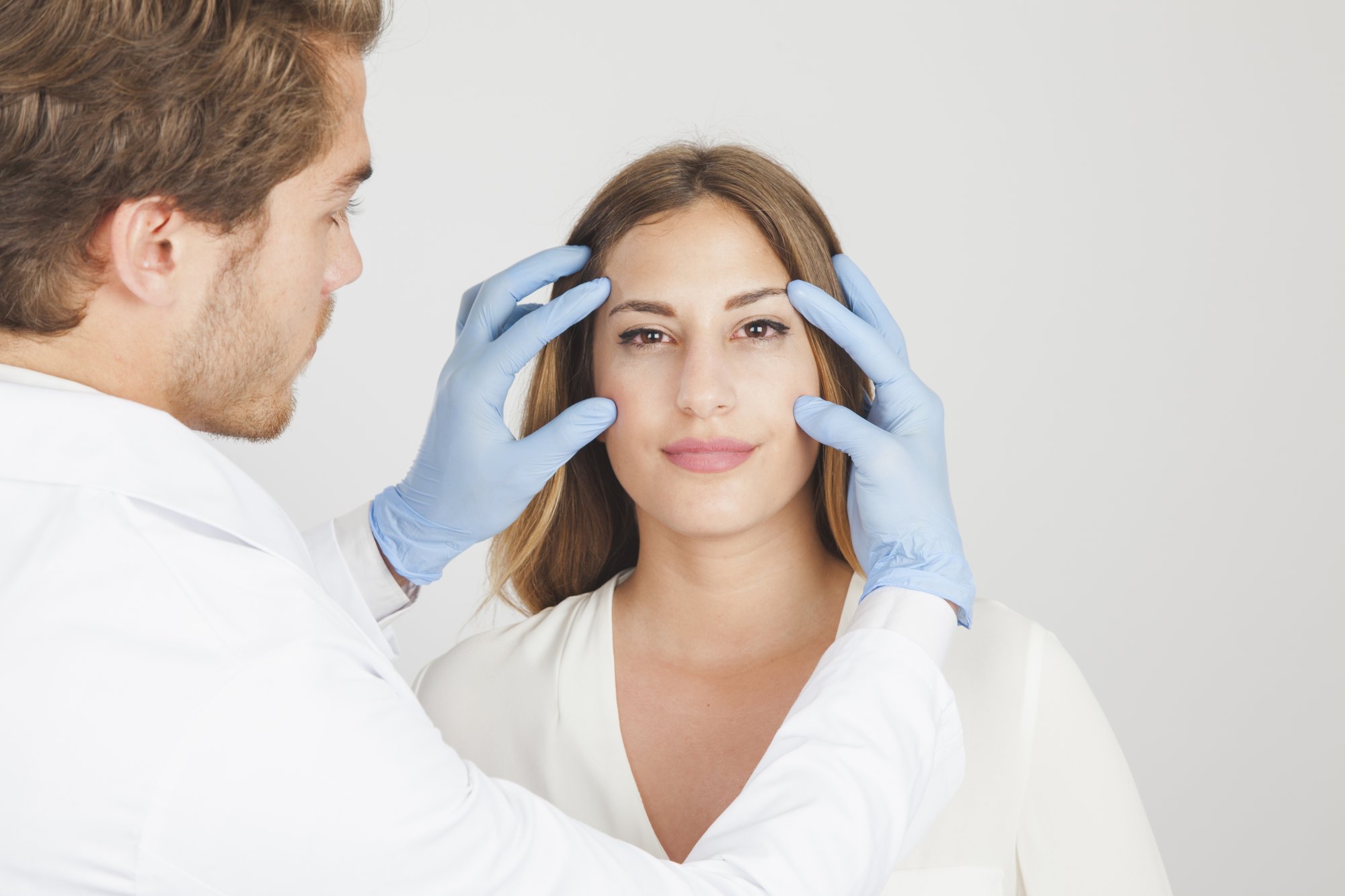
The tear trough is the area where the lower eyelid meets the upper cheek. In some people, a visible depression develops along this junction, creating a hollow or sunken appearance beneath the eyes.
These hollows can cast shadows, making the under-eye area look darker and contributing to a tired appearance. Their depth and visibility vary depending on facial structure, skin quality and the surrounding tissues.
Tear trough hollows are different from under-eye bags. While hollows involve a depression beneath the eyes, bags typically result from protruding fat or swelling. However, both concerns can occur together.
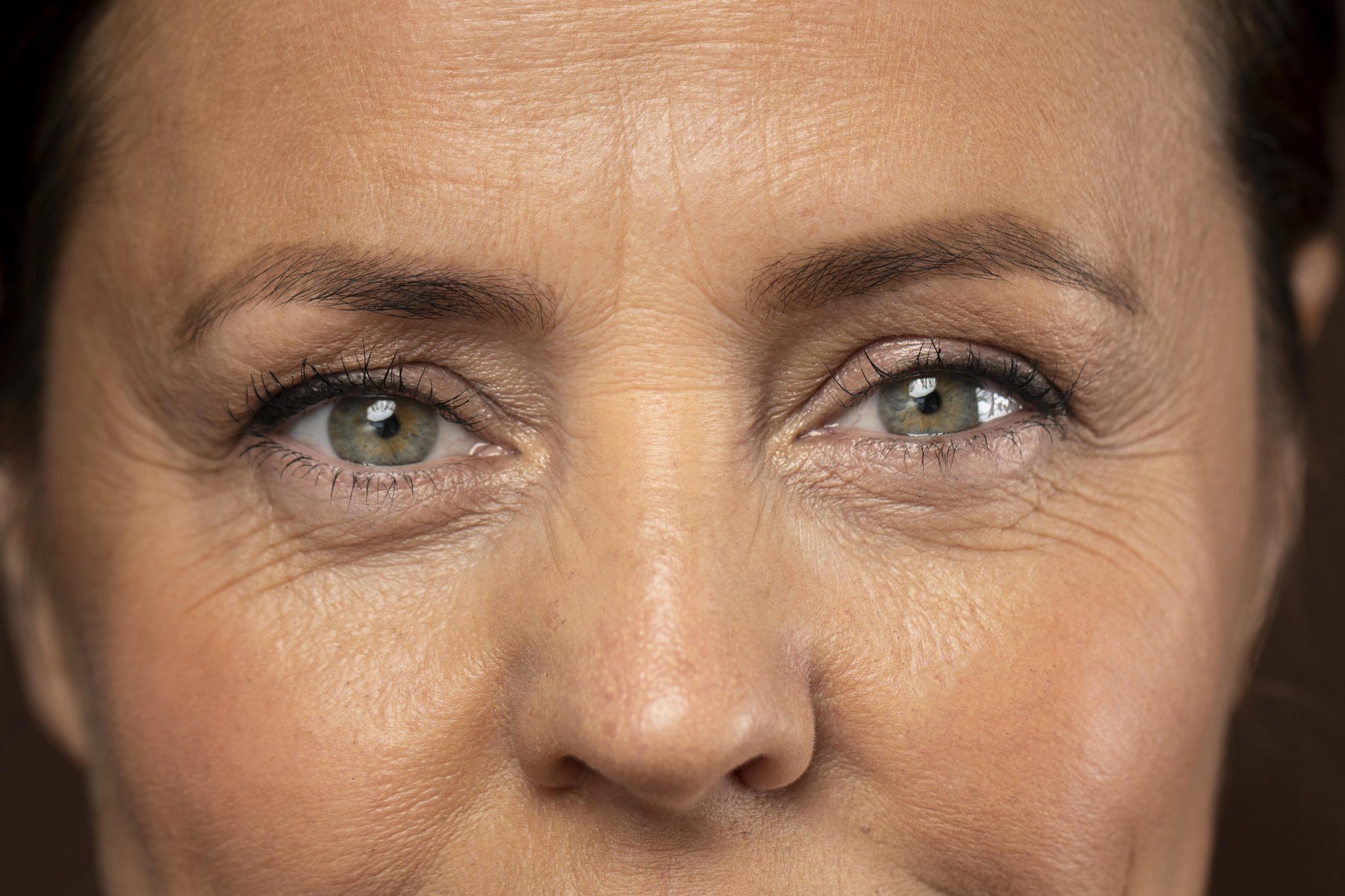
Tear trough hollowing usually develops through a combination of inherited facial characteristics and changes in the tissues surrounding the eyes. Some people naturally have prominent tear troughs, while others notice them becoming deeper with age.
Genetics plays an important role in the appearance of tear trough hollows. Some people naturally have deeper depressions beneath their eyes because of their facial bone structure, fat distribution or the way the lower eyelid connects to the cheek.
These anatomical characteristics can make tear troughs visible from adolescence or early adulthood, even when there is no significant age-related volume loss.
As we age, changes in facial fat and soft tissue support can make the under-eye area appear increasingly hollow.
Loss of volume in the upper cheeks may reduce the support beneath the lower eyelids, making the tear trough depression more noticeable. These changes can gradually create a more pronounced transition between the eyelid and cheek.
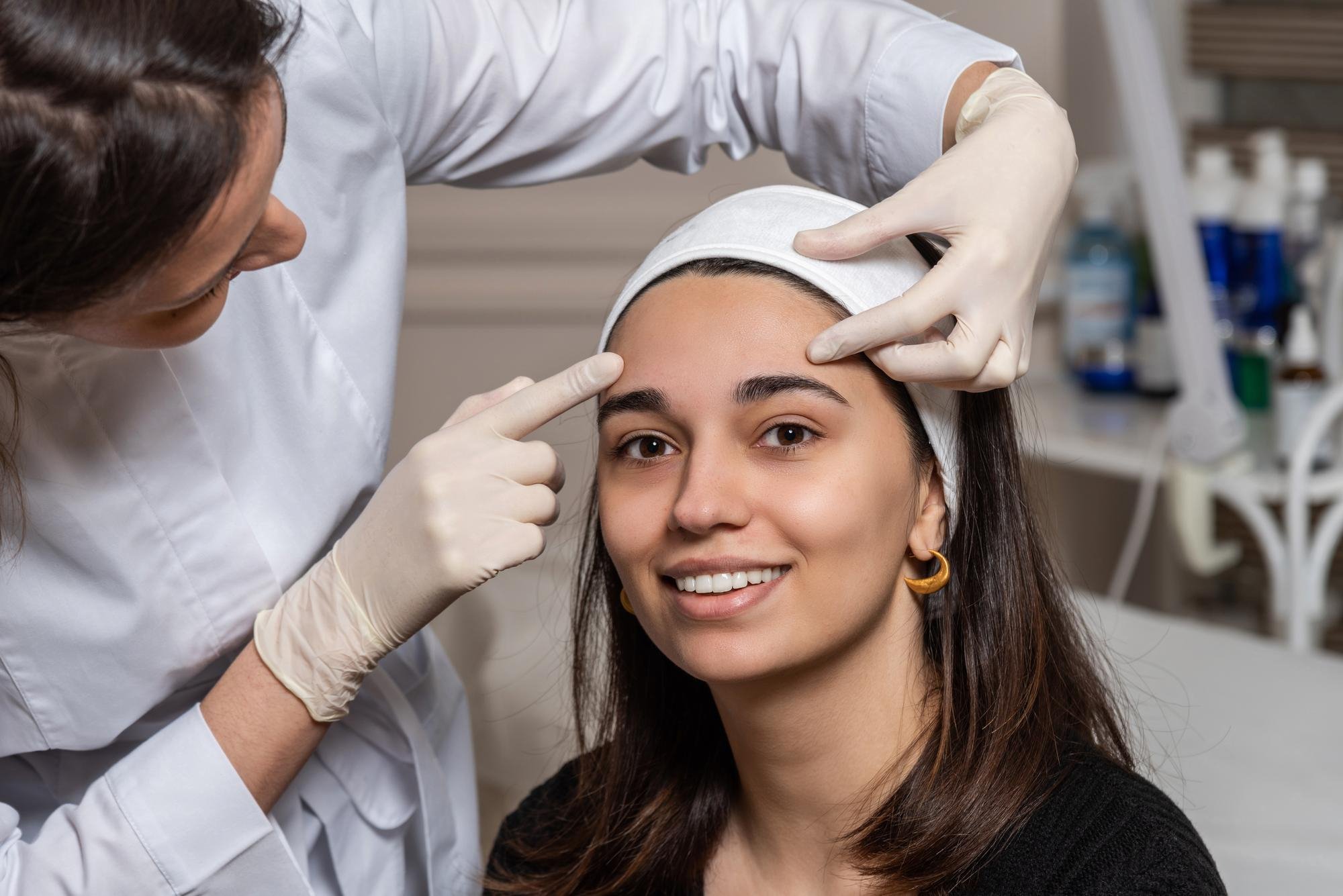
The skin around the eyes is naturally delicate and becomes thinner and less elastic with age. Changes in collagen and elastin contribute to reduced firmness, making underlying structures more visible.
Although skin thinning does not necessarily create the hollow itself, it can emphasise existing depressions and make shadows or blood vessels beneath the eyes more noticeable.
The relationship between the lower eyelid and upper cheek also changes over time.
As facial tissues shift and the contours of the cheek change, the boundary between these areas may become more pronounced. This can accentuate an existing tear trough, particularly when combined with reduced facial volume.
These structural changes help explain why some people develop a deeper hollow appearance even without significant changes to the skin itself.
At The Ezra Clinic, specialist assessment focuses on identifying the anatomical factors contributing to each patient’s under-eye concerns.
Hollowing, prominent eye bags and dark circles can produce a similar tired appearance, but their underlying causes are often different. A treatment that improves volume-related shadows, for example, may have little effect on pigmentation or swelling.
Drawing on specialist oculoplastic expertise and clinical experience in tear trough rejuvenation, the clinic emphasises careful patient selection and an individualised approach. Its consultants have also contributed to published research on tear trough filler techniques.
For patients whose main concern is volume-related hollowing, tear trough filler may offer a non-surgical treatment option. However, a specialist consultation is important to determine whether filler is appropriate.
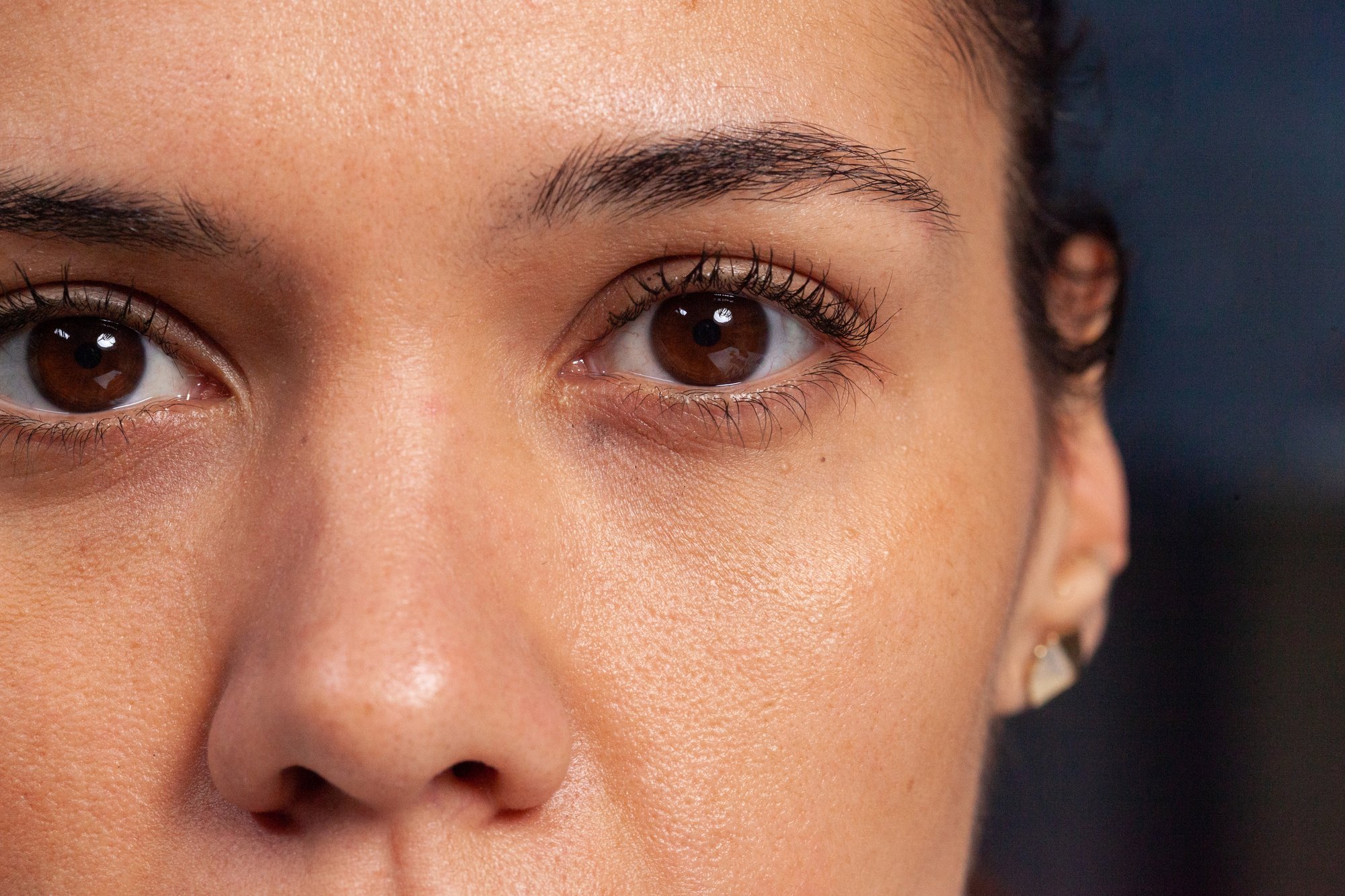
Tear trough hollows can create dark circles because the depression beneath the lower eyelid casts a shadow on the surrounding skin.
These are often described as structural dark circles, as their appearance is related to facial contours rather than changes in skin colour.
However, dark circles can also develop because of pigmentation, visible blood vessels beneath thin skin or a combination of factors. This distinction matters because treatments designed to restore volume may improve shadow-related darkness but will not necessarily correct pigmentation or other causes.
The appearance of dark circles may also change depending on lighting, facial position and the depth of the tear trough.
Although tear trough hollows and under-eye bags can both contribute to a tired appearance, they involve different anatomical changes.
| Tear Trough Hollows | Under-Eye Bags |
| Depressions beneath the lower eyelids | Protruding tissue or swelling beneath the eyes |
| Often related to facial anatomy or volume loss | Commonly associated with protruding fat, tissue changes or fluid retention |
| Can create dark shadows | Can create puffiness and shadows beneath the bags |
| May respond to volume restoration in suitable patients | May require a different treatment approach |
Some patients experience both hollowing and prominent bags. In these cases, the contrast between the protruding tissue and the depression beneath it can make the under-eye area appear particularly uneven.
Identifying which concern is most significant helps determine the most appropriate treatment.
Yes, tear trough hollows can often be improved, although the most suitable approach depends on their underlying cause and the surrounding facial anatomy.
For patients with volume-related hollowing, hyaluronic acid-based dermal fillers may help restore volume and smooth the transition between the lower eyelid and cheek. You can learn more about the procedure, suitability and expected results on our Tear Trough Filler treatment page.
However, filler is not appropriate for everyone. Patients with prominent under-eye bags, significant skin laxity or a tendency towards swelling may benefit from alternative treatments.
In some cases, Lower Blepharoplasty may be considered to address protruding lower eyelid fat and improve the surrounding contours. By repositioning the fat from the bag into the hollow, a smooth interface can be achieved.
A specialist assessment can help establish whether treatment is appropriate and which approach is most likely to address the underlying concern.
Yes. Tear trough hollows can be present from adolescence or early adulthood because of inherited facial anatomy. Naturally deep tear troughs do not necessarily indicate premature ageing or volume loss.
They can become more noticeable as facial volume, skin elasticity and tissue support change over time. However, the extent of these changes varies considerably between individuals.
Lack of sleep does not typically cause structural tear trough hollows. However, tiredness may make the under-eye area appear darker or more pronounced, particularly when hollows are already present.
Hollows caused by facial anatomy or age-related structural changes are unlikely to disappear on their own. However, their appearance may be improved with appropriate treatment, depending on the underlying cause.
Skincare products can support hydration and improve the appearance of the skin around the eyes, but they cannot replace lost facial volume or significantly change underlying bone structure. Patients concerned about pronounced hollowing may benefit from a specialist assessment to explore suitable treatment options.
Discover how hyaluronidase injections dissolve unwanted dermal fillers, what happens beneath the skin, and the potential results and risks.


If you are interested in any of the treatments we offer, or require any further information, we would love to hear from you. We offer both online and face to face consultations, allowing us to accommodate your individual needs and preferences. You can reach us by phone, email or by completing the contact form below.