
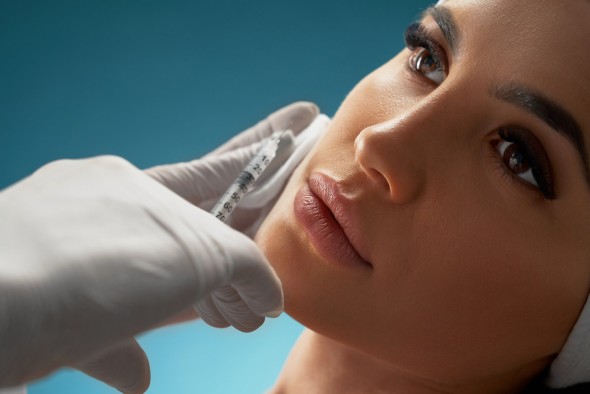
How Hyaluronidase Injections Reverse Unwanted Dermal Fillers
Discover how hyaluronidase injections dissolve unwanted dermal fillers, what happens beneath the skin, and the potential results and risks.

Daniel Ezra, 10 November 2026
Profhilo and polynucleotides are two increasingly popular injectable treatments designed to improve skin quality without significantly changing facial volume or contours. Both are used to address concerns such as fine lines, changes in skin texture and early signs of ageing, but they work in different ways.
When comparing Profhilo vs polynucleotides treatment, the most important consideration is not which treatment is better overall, but which is more suitable for your skin concerns. Understanding their differences can help you make a more informed decision about your options.
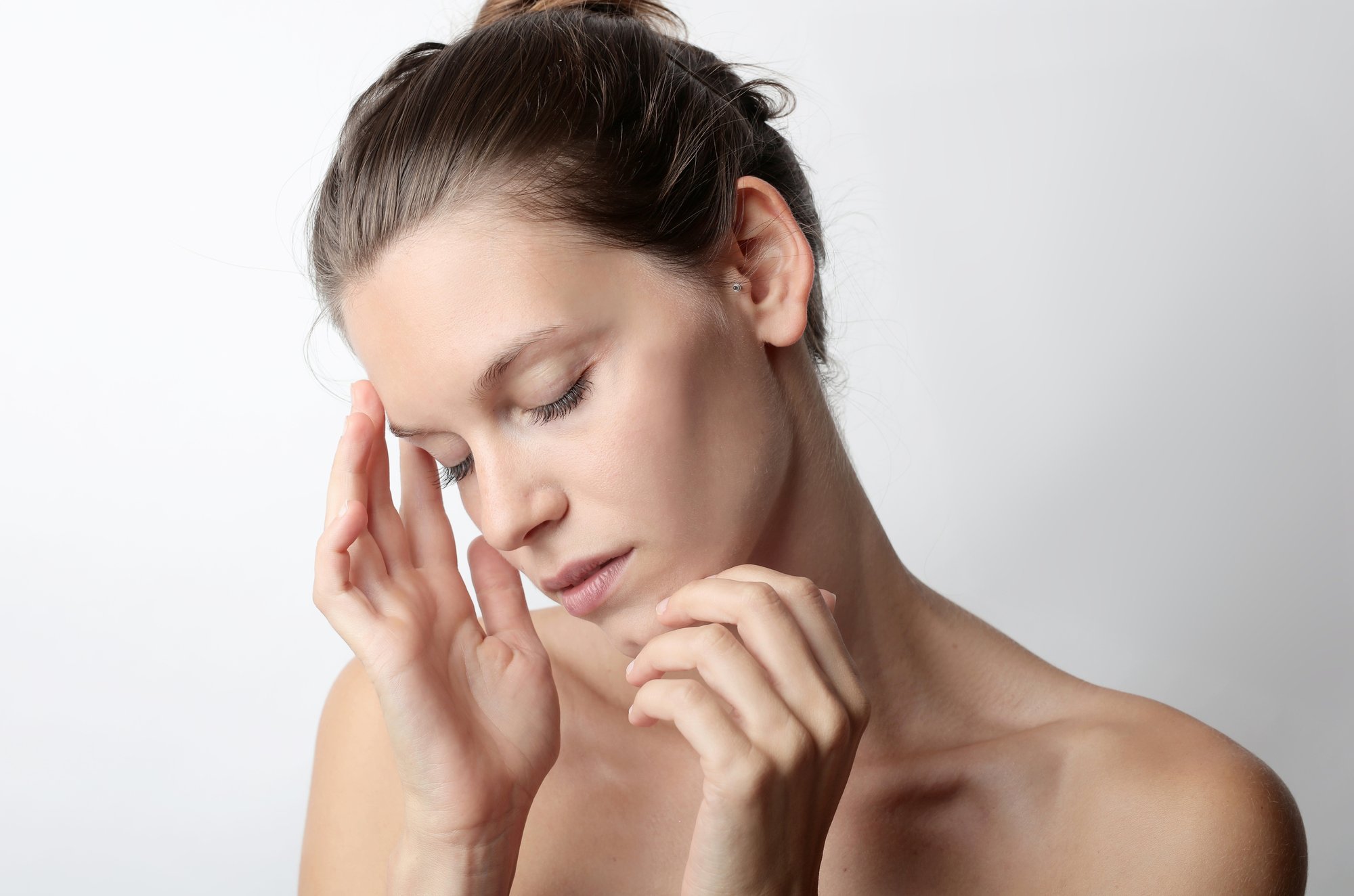
Profhilo is an injectable treatment containing a high concentration of hyaluronic acid, a substance naturally found in the skin that plays an important role in maintaining hydration.
Unlike traditional dermal fillers, which are typically used to restore volume or reshape facial contours, Profhilo is designed to spread through the treated tissues and improve skin quality.
Its hyaluronic acid formulation supports hydration and is intended to encourage skin remodelling, potentially improving elasticity, firmness and the appearance of fine lines.
Profhilo is commonly used on areas such as the face and neck, particularly where the skin has become less hydrated or elastic with age.

Polynucleotides are purified DNA-derived compounds, typically sourced from fish, that are used in injectable treatments aimed at supporting skin repair and regeneration.
Rather than primarily focusing on hydration, polynucleotides are thought to influence cellular processes involved in tissue repair, including fibroblast activity and the maintenance of the skin’s structural components.
They may help improve skin texture, elasticity and the appearance of fine lines. Polynucleotides are also considered for selected delicate areas, including the skin beneath the eyes.
Although early clinical findings are encouraging, research into their long-term aesthetic benefits is still developing, and larger studies are needed to establish their effectiveness across different skin concerns.
While both treatments aim to improve skin quality, their ingredients, proposed mechanisms and clinical applications differ.
| Feature | Profhilo | Polynucleotides |
|---|---|---|
| Main ingredient | Hyaluronic acid | Purified DNA-derived polynucleotides |
| How it works | Supports hydration and skin remodelling | May support cellular repair and tissue regeneration |
| Primary focus | Hydration, elasticity and skin quality | Skin texture, repair and overall skin quality |
| Common treatment areas | Face, neck and selected body areas | Face, under-eye area, neck and other suitable areas |
| Results | Gradual improvements over several weeks | Gradual improvements over several weeks |
| Typical treatment course | Often two initial sessions | Commonly two to three sessions |
| Downtime | Usually minimal, with possible temporary swelling or bruising | Usually minimal, with possible temporary swelling or bruising |
Neither treatment is designed to replace traditional dermal fillers when significant volume restoration is required. Treatment protocols and expected outcomes also vary according to the specific product and individual patient.

The choice between Profhilo and polynucleotides depends on the condition of your skin and the changes you would like to achieve. Although their benefits overlap, certain concerns may make one treatment more suitable than the other.
Both Profhilo and polynucleotides may help soften the appearance of fine lines by improving the overall condition of the skin.
Profhilo may be considered when fine lines are associated with dehydration and reduced elasticity. Its hyaluronic acid formulation helps improve moisture retention and supports skin quality.
Polynucleotides may be considered where fine lines are accompanied by changes in skin texture or concerns about tissue quality.
However, neither treatment is intended to correct every type of wrinkle. Deeper folds, significant skin laxity and expression lines may require different approaches, depending on their underlying cause.
For skin that appears dehydrated, dull or less supple, Profhilo may be particularly relevant because of its high hyaluronic acid content. By improving hydration within the skin, it may help restore a smoother appearance and improve elasticity over time.
Polynucleotides may also contribute to improvements in hydration and skin quality, but their proposed benefits extend to processes associated with tissue repair. The most appropriate choice depends on whether dehydration is the primary concern or whether other changes in skin structure and texture are also present.
Polynucleotides may be suitable for selected patients experiencing fine lines, crepey skin or changes in under-eye skin texture. Their use in this region is intended to improve skin quality without providing substantial additional volume.
Profhilo is not routinely used in the same way around the lower eyelids, and suitability depends on the formulation, injection technique and individual anatomy.
Importantly, neither treatment is a universal solution for under-eye concerns. Tear trough hollows, prominent eye bags and persistent puffiness can have different underlying causes and may require alternative treatments.

In some cases, Profhilo and polynucleotides may be incorporated into the same personalised skin rejuvenation plan. Because the treatments have different formulations and proposed mechanisms, a specialist may consider them for different concerns or treatment areas. For example, one approach may focus on improving hydration across the face, while another targets skin quality in a more delicate region.
However, combining treatments does not necessarily produce better results. There is currently limited high-quality clinical evidence establishing the benefits of using Profhilo and polynucleotides together. Any combination should be based on individual assessment, with appropriate consideration given to treatment timing, product suitability and potential risks.
At The Ezra Clinic, choosing between Profhilo and polynucleotides begins with understanding the underlying cause of a patient’s skin concerns.
Changes in skin appearance may result from dehydration, reduced elasticity, volume loss or structural changes beneath the surface. These concerns can look similar but may respond differently to treatment.
This distinction is especially important around the eyes. As a specialist oculoplastic clinic, The Ezra Clinic combines detailed knowledge of eyelid anatomy with experience in non-surgical facial rejuvenation.
A personalised assessment helps determine whether an injectable skin treatment is appropriate or whether another approach may be more effective.
Patients interested in improving their skin quality can explore our Profhilo treatment and Polynucleotides Treatment pages for further information about the available options.
Neither treatment is universally better for wrinkles.
Profhilo may be more appropriate when fine lines are associated with dehydration and reduced skin elasticity, while polynucleotides may be considered for concerns involving skin texture and quality.
The depth, location and cause of the wrinkles will influence which treatment is most suitable.
Both treatments aim to improve skin quality gradually rather than create significant changes in facial shape.
When appropriately selected and administered, either treatment may produce subtle, natural-looking improvements. The outcome depends on the patient’s skin condition, treatment plan and individual response.
The duration of results varies between patients and depends on factors such as the treatment area, skin condition and number of sessions.
Profhilo results are often maintained with repeat treatment after approximately six months, while improvements following polynucleotide injections may also remain visible for several months.
However, direct comparative evidence is limited, so it is not possible to reliably conclude that one treatment consistently lasts longer than the other.
Both treatments generally involve minimal downtime.
Temporary swelling, redness, tenderness or bruising can occur after either procedure. Profhilo may also cause small raised areas at the injection sites, while polynucleotide injections can produce temporary localised swelling.
Most patients can resume everyday activities shortly afterwards, although specific aftercare instructions should be followed.
Both treatments are used in aesthetic medicine, but neither is entirely risk-free.
Possible side effects include bruising, swelling, redness and discomfort. Less common complications include infection, inflammatory reactions and allergic reactions. As with other facial injections, rare but serious vascular complications are also possible.
Polynucleotide products may be derived from fish, making it important to discuss any allergies or sensitivities during your consultation.
Discover how hyaluronidase injections dissolve unwanted dermal fillers, what happens beneath the skin, and the potential results and risks.


If you are interested in any of the treatments we offer, or require any further information, we would love to hear from you. We offer both online and face to face consultations, allowing us to accommodate your individual needs and preferences. You can reach us by phone, email or by completing the contact form below.