What Is Entropion? Symptoms, Causes and Treatment

Daniel Ezra, 27 October 2026

Entropion is an eyelid condition in which the eyelid turns inward, causing the eyelashes to rub against the surface of the eye. It most commonly affects the lower eyelid and can lead to persistent irritation, watering and discomfort.

Here, we explain the symptoms and causes of entropion, the different types of the condition, potential complications and the treatment options available.

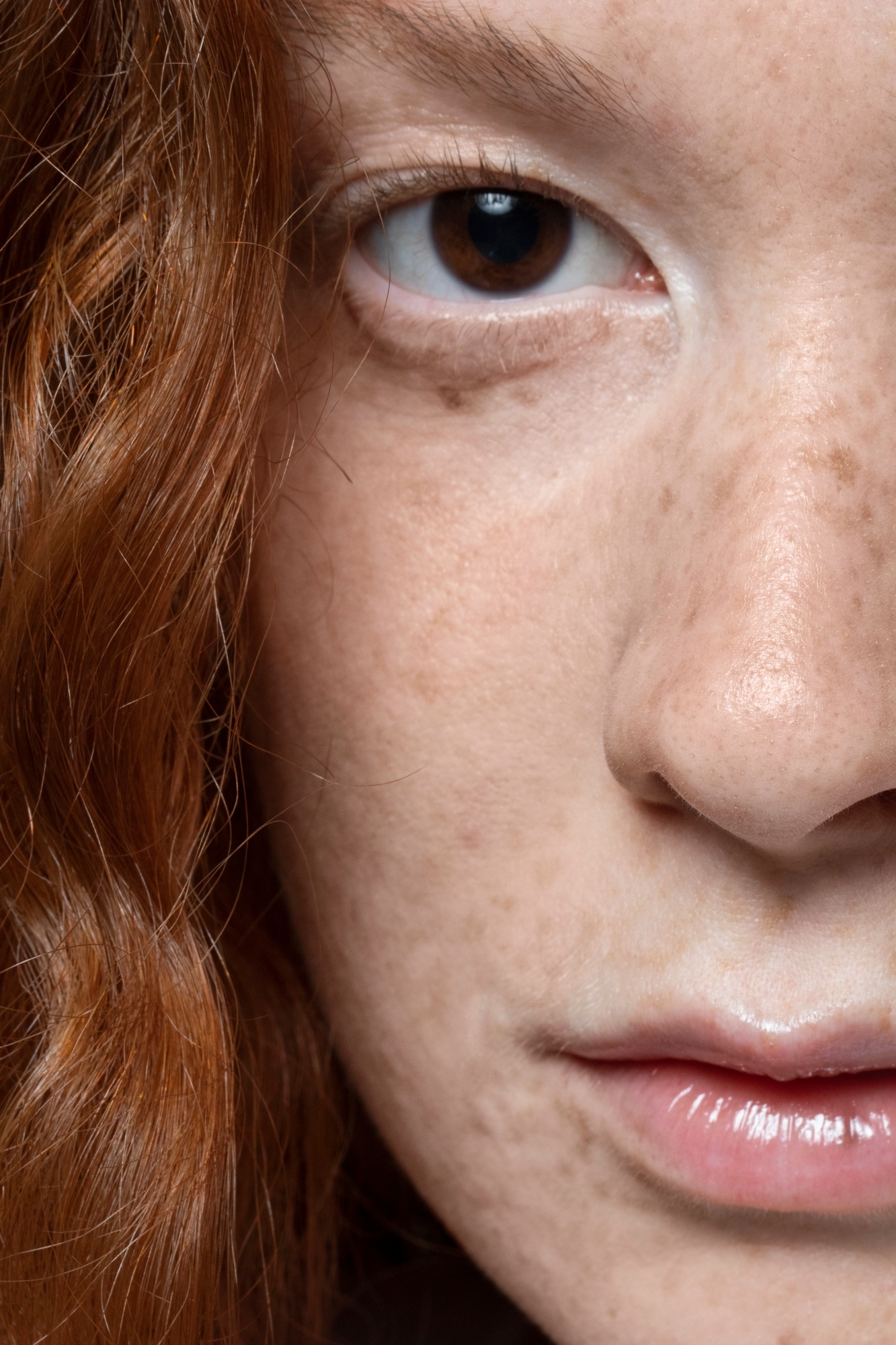
Close-up of half of a red-haired woman’s face showing her brown eye, freckles and natural skin texture.

What Are the Symptoms of Entropion?

As the eyelid turns inward, the eyelashes repeatedly come into contact with the surface of the eye. Symptoms may initially come and go but can become more persistent as the condition progresses.

Common symptoms of entropion include:

  • A foreign body sensation or feeling that something is in the eye
  • Redness
  • Irritation or soreness
  • Watery eyes or excessive tearing
  • Eyelid crusting
  • Mucous discharge
  • Sensitivity to light or wind
  • Blurred vision if the surface of the eye becomes affected

When Should You Seek Medical Attention?

Prompt medical assessment is important if you experience increasing eye pain, rapidly worsening redness, blurred or reduced vision, or increasing sensitivity to light.

These symptoms can indicate that the surface of the eye has become damaged or that complications are developing and should not be ignored.

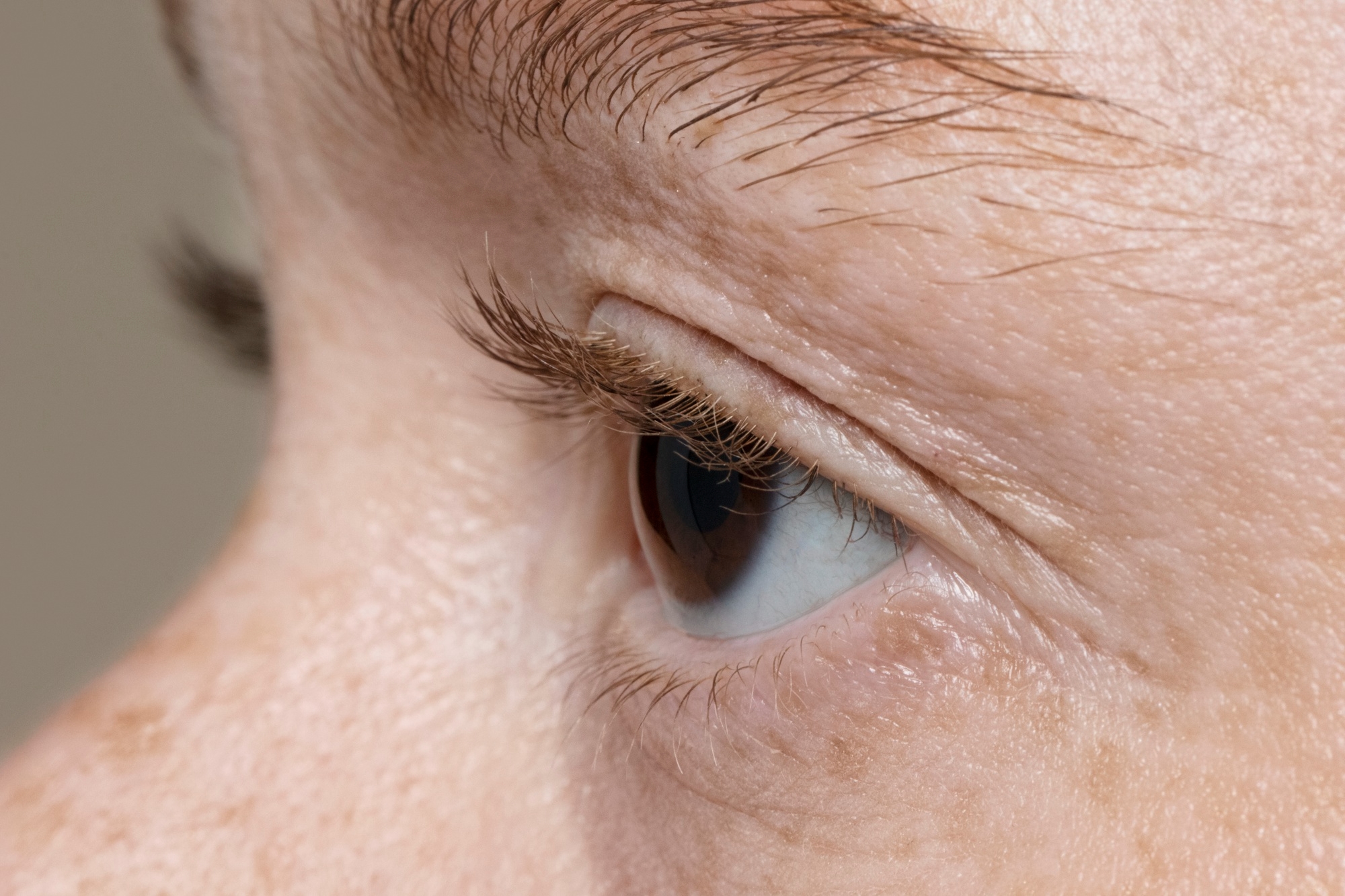
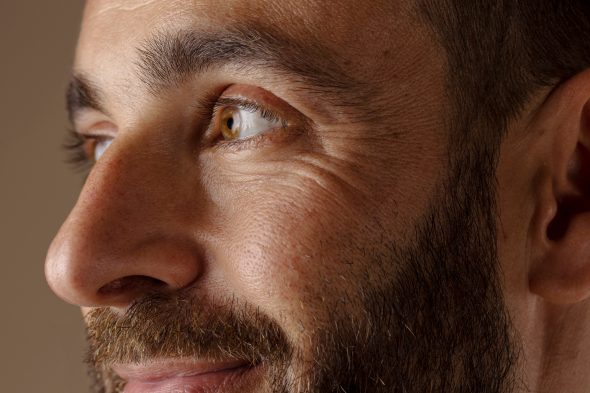
Close-up side view of a mature woman’s eye, lashes and brow showing fine lines and skin texture.

What Causes Entropion?

Age-related changes are the most common cause of entropion. Over time, the muscles and tendons that support the lower eyelid can weaken and become more lax, allowing the eyelid to turn inward.

Other possible causes include:

  • Scarring following an eye or eyelid injury, surgery or burn
  • Chronic inflammation or infection affecting the eye or eyelid
  • Muscle spasms around the eye
  • Rare inflammatory or autoimmune conditions that cause scarring of the conjunctiva
  • Congenital or developmental differences affecting eyelid structure

Identifying the underlying cause is important because it can influence the type of treatment required.

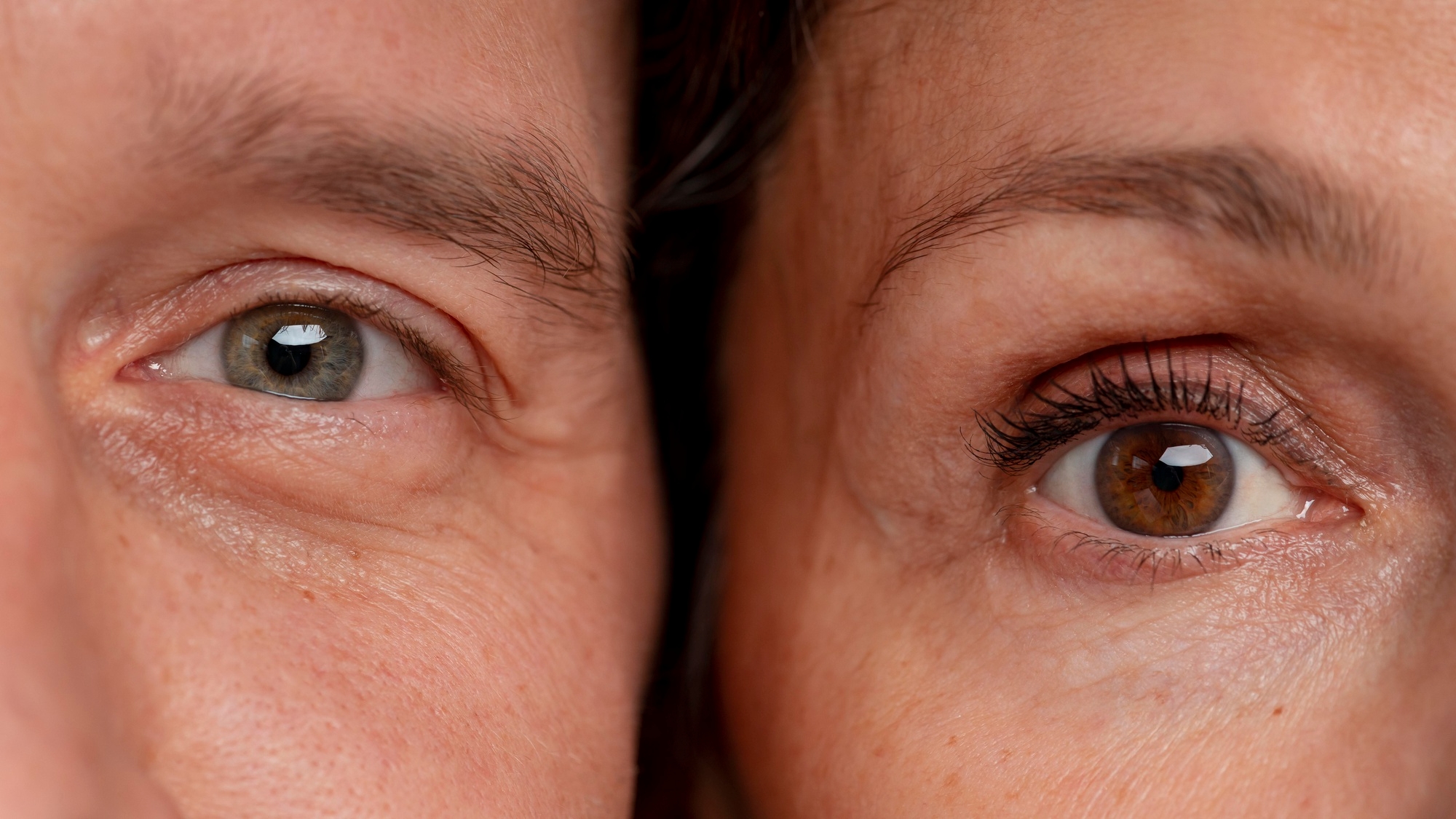
Close-up of two people’s faces pressed together, showing one eye each — one green, one brown — and the skin around them.

What Are the Different Types of Entropion?

Entropion can be classified into several types according to what is causing the eyelid to turn inward.

Involutional Entropion

Involutional entropion is the most common type and is associated with age-related weakening and laxity of the tissues supporting the lower eyelid. As these structures become less effective at maintaining the eyelid’s position, it can begin to turn towards the eye.

Spastic Entropion

Spastic entropion occurs when muscle spasms around the eye pull the eyelid inward. It can develop alongside eye irritation or inflammation and may also occur following eye surgery. In some cases, it is temporary.

Cicatricial Entropion

Cicatricial entropion is caused by scarring and contraction of the inner surface of the eyelid. This can occur following trauma, previous surgery or chronic inflammation.

Because scar tissue changes the structure of the eyelid itself, cicatricial entropion can be more complex to treat than age-related forms of the condition.

Congenital Entropion

Congenital entropion is a rare form of the condition that is present from birth and results from abnormal development of the eyelid. Treatment may be required if the inward-turning eyelid causes persistent irritation or damage to the surface of the eye.

Who Is More Likely to Develop Entropion?

Entropion is particularly associated with ageing, as the muscles and supporting tissues around the eyelids naturally become weaker over time.

Other factors that may increase the likelihood of developing entropion include:

  • Previous eye or eyelid surgery
  • Previous trauma or burns affecting the eye area
  • Chronic inflammatory or scarring conditions affecting the eyelid or conjunctiva
  • Rare congenital differences in eyelid structure

How Is Entropion Diagnosed?

Entropion is usually diagnosed through an examination of the eye and eyelid by an ophthalmologist or oculoplastic specialist. The position and movement of the eyelid are assessed, along with the extent to which the eyelashes are coming into contact with the eye.

The ocular surface and cornea may also be examined for signs of irritation or damage, and vision may be checked where appropriate. Your specialist will also consider your symptoms and medical history, including previous eye surgery or trauma.

This assessment helps identify the type and likely cause of the entropion and determines which treatment approach may be most appropriate.

What Happens If Entropion Is Left Untreated?

Persistent contact between the eyelashes and the surface of the eye can cause ongoing irritation and inflammation. Over time, this friction may damage the cornea and lead to abrasions or ulcers.

Damage to the ocular surface can also increase the risk of infection. In more serious untreated cases, corneal complications may affect vision, which is why persistent or worsening entropion should be assessed by an eye specialist.

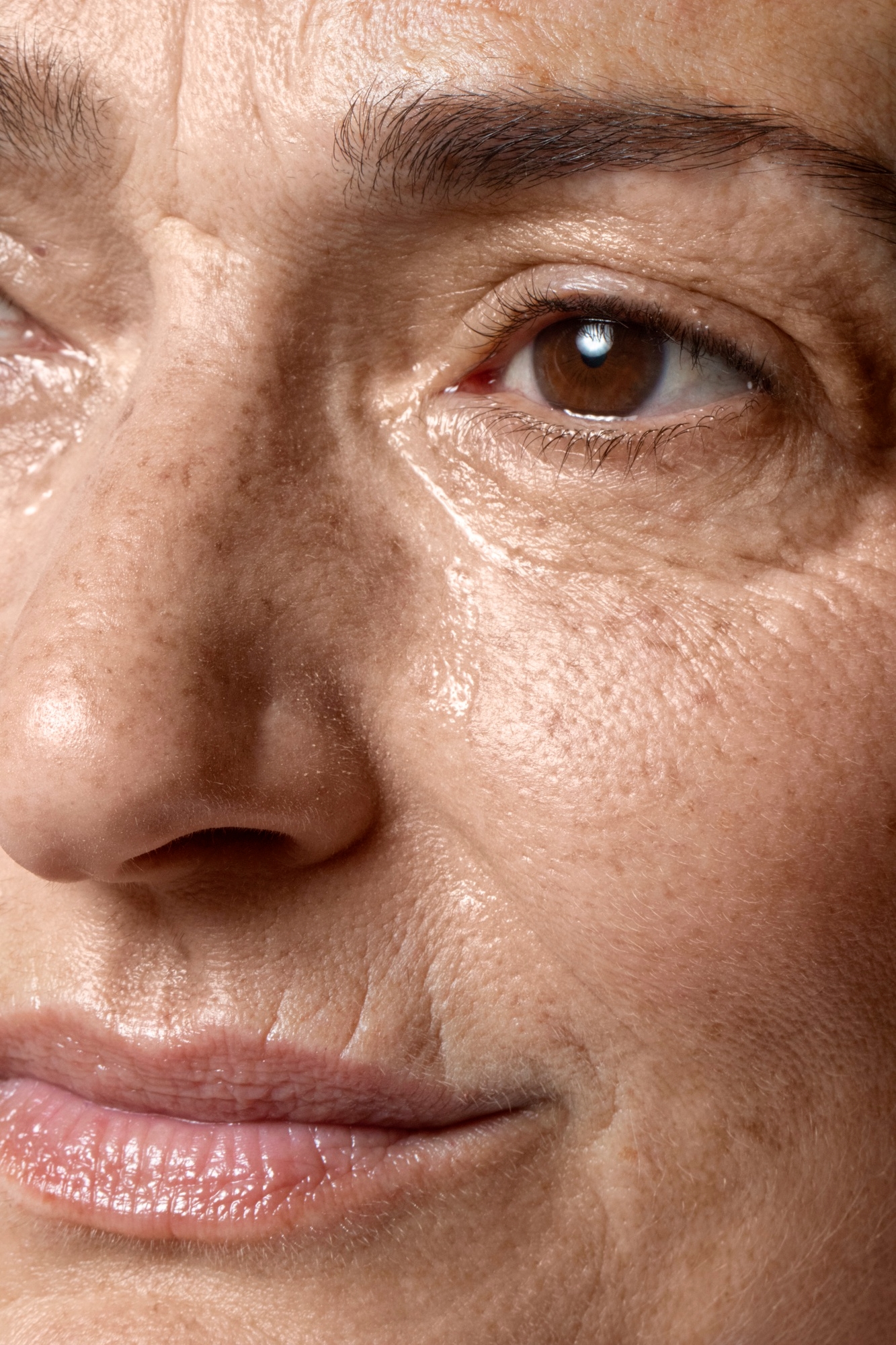
Close-up of a mature person’s face showing the eye, cheek and mouth with wrinkles, pores and skin texture.

How Is Entropion Treated?

Treatment depends on the cause and severity of the entropion and whether the surface of the eye has been affected. Non-surgical options can provide temporary relief and protect the eye, while surgery may be recommended to correct the position of the eyelid more permanently.

Non-Surgical Treatment

Non-surgical options can include lubricating eye drops or ointments, eyelid taping and protective contact lenses in selected cases. Temporary everting sutures or BoNT injections may also be used to help improve the position of the eyelid.

These approaches are generally used to manage symptoms or protect the surface of the eye rather than permanently correct the underlying structural problem.

Entropion Surgery

Entropion surgery corrects the structural position of the eyelid to prevent the eyelashes from rubbing against the eye. The surgical technique depends on the type and underlying cause of the condition and can provide a longer-term solution where appropriate.

Learn more about entropion surgery, including how the procedure is performed, recovery and what to expect from treatment.

Entropion vs Ectropion: What Is the Difference?

Entropion and ectropion both affect the position of the eyelid, but in opposite directions. With entropion, the eyelid turns inward towards the eye, while ectropion causes the eyelid to turn outward and away from the eye.

EntropionEctropion
Eyelid positionTurns inwardTurns outward
EffectLashes rub against the eyeInner eyelid becomes exposed
Common symptomsIrritation, soreness, wateringDryness, watering, irritation
Potential concernCorneal damageExposure and ocular surface irritation

Both conditions can affect the health and comfort of the eye and should be assessed if symptoms persist.

Entropion Treatment at The Ezra Clinic

At The Ezra Clinic, entropion is assessed by specialists in oculoplastic surgery, with treatment planned around the underlying cause of the condition and its effect on both the eyelid and the surface of the eye.

Depending on your individual needs, treatment may involve conservative measures to protect the eye or surgical correction to restore the eyelid to a more natural position. Our approach is tailored to your eyelid anatomy, symptoms and the type of entropion present.

If you are experiencing symptoms of entropion, book a consultation for a specialist assessment or learn more about entropion surgery and the treatment options available.

FAQ

Is entropion serious?

Entropion can range from mild irritation to a condition that damages the surface of the eye. Persistent eyelash contact with the cornea can lead to abrasions, ulcers or infection, so ongoing symptoms should be assessed.

Can entropion go away on its own?

Entropion caused by temporary muscle spasm may sometimes improve as the underlying irritation settles. However, structural forms of entropion, including age-related or scar-related entropion, are unlikely to permanently correct themselves.

Is entropion common?

Entropion is relatively common in older adults because age-related changes can weaken the tissues that support the lower eyelid. Other forms of the condition are less common.

Does entropion always require surgery?

No. Temporary treatments can relieve symptoms and protect the surface of the eye in some cases. Surgery may be recommended when entropion persists or structural correction of the eyelid is required.

Can entropion affect vision?

Yes. If persistent eyelash contact damages the cornea, complications such as abrasions, ulcers or infection can potentially affect vision.

Can entropion affect both eyes?

Yes. Entropion can affect one or both eyelids, depending on its underlying cause.

Can entropion come back after treatment?

Entropion can occasionally recur following treatment. If the eyelid begins turning inward again, further assessment can determine whether additional treatment is required.

Can entropion be prevented?

Age-related entropion cannot always be prevented. Protecting the eyes from injury and seeking appropriate treatment for persistent inflammation, infection or other eyelid conditions may help reduce some avoidable causes of eyelid scarring or damage.

Latest articles

Contact us

If you are interested in any of the treatments we offer, or require any further information, we would love to hear from you. We offer both online and face to face consultations, allowing us to accommodate your individual needs and preferences. You can reach us by phone, email or by completing the contact form below.

This field is for validation purposes and should be left unchanged.
Please tell us how you heard about us