



How To Improve Skin Laxity Under Eyes for a Smoother, Firmer Look

Daniel Ezra, 30 May 2026

There is a particular moment when you glance in the mirror and notice that the area beneath your eyes looks different. The skin appears looser, thinner, and somehow more fragile than it used to be, and no matter how well-rested you feel, your face tells a different story.

It is one of the more frustrating changes that comes with time, and it is entirely understandable to want to do something about it.

Skin laxity under the eyes refers to the gradual loss of firmness and elasticity in the delicate skin beneath the lower eyelid. In this article, we will explore both practical, at-home approaches and clinical treatment options so that you can make an informed decision about the right path forward for you.

Book a consultation

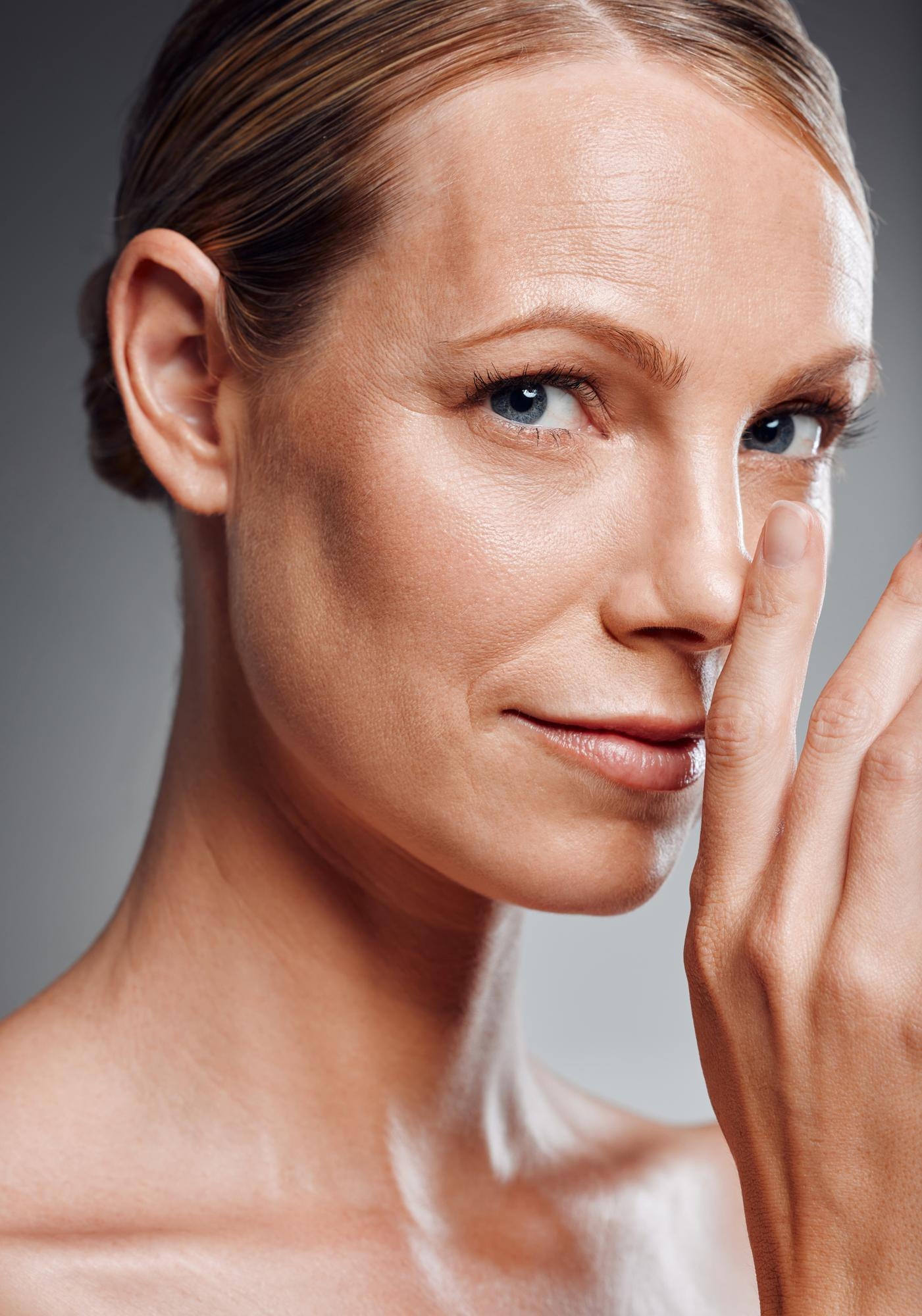
Close-up portrait of a woman with slicked-back hair touching her face, showing smooth, glowing skin against a gray studio background.

What Causes Skin Laxity Under Eyes?

Understanding the root causes of under-eye laxity is the first step towards addressing it effectively. In most cases, several factors work together rather than a single cause acting alone.

Natural ageing and collagen loss

Collagen and elastin are the two proteins responsible for keeping skin firm, plump, and resilient. From our mid-twenties onwards, the body produces less of both, and the structural support that once kept the skin taut begins to weaken. The under-eye area is particularly susceptible to this process because the skin there is already among the thinnest on the entire face.

Thinning skin and volume loss

Because the under-eye skin is naturally so fine, even subtle changes in thickness and volume become visible relatively quickly. As subcutaneous fat diminishes over time, the skin has less underlying support, which causes it to appear looser and, in some cases, slightly hollowed.

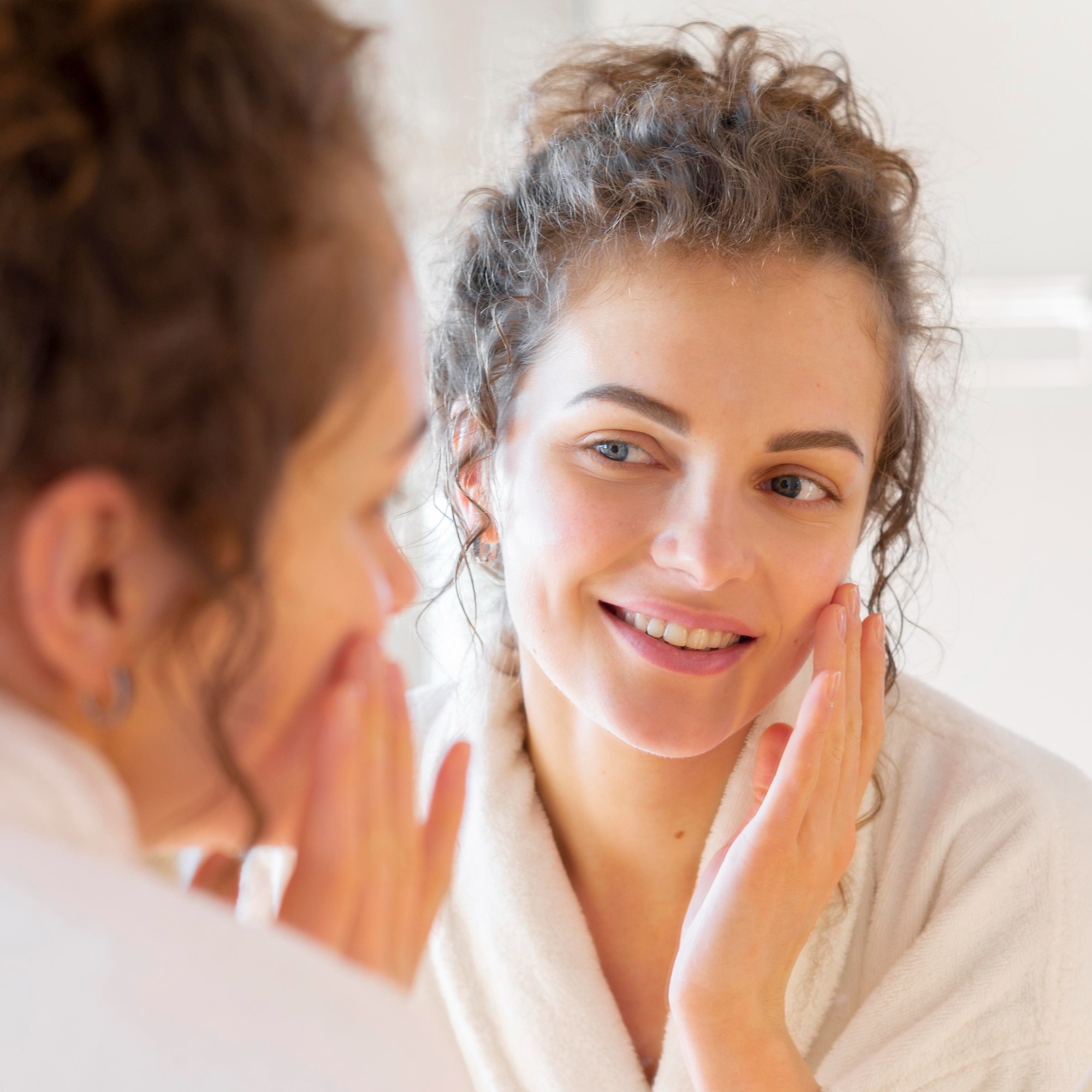
Woman in a white robe smiling at her reflection while gently touching her cheek during a skincare routine.

Lifestyle factors

Certain habits and environmental exposures can accelerate the breakdown of collagen and elastin well beyond what age alone would cause. Chronic sleep deprivation, unprotected sun exposure, smoking, and inadequate hydration all contribute to faster deterioration of skin quality in this area. These factors do not cause laxity on their own, but they meaningfully speed up the process.

Genetics and facial structure

Not everyone experiences under-eye laxity at the same age or to the same degree. Bone structure plays a significant role, as a less prominent orbital rim provides less scaffolding for the overlying soft tissue. Genetic predisposition can also mean that some people notice changes earlier than others, sometimes as soon as their late twenties.

Early Signs of Under-Eye Skin Laxity

Recognising the early signs makes it possible to act before the changes become more pronounced. Fine lines that remain visible even at rest, rather than only when you are smiling or squinting, are often one of the first indicators. The skin may begin to take on a crepey, paper-like texture that feels less smooth to the touch. You might also notice a mild sagging or a subtle hollowing beneath the eye. A practical everyday sign is that makeup no longer sits evenly in this area and tends to settle into lines throughout the day.

Studio portrait of a woman with closed eyes holding both hands to her face, highlighting radiant skin on a white background.

Can You Improve Skin Laxity Under Eyes Naturally?

It is worth being realistic here. At-home approaches can support the skin and slow the progression of laxity, but they are unlikely to reverse it once it has become established.

Targeted skincare ingredients such as retinol, peptides, and hyaluronic acid each offer genuine benefits. Retinol encourages cell turnover and stimulates collagen production over time. Peptides signal the skin to support its structural proteins. Hyaluronic acid draws moisture into the skin, improving plumpness and texture. However, none of these ingredients will physically lift or tighten loose skin.

Daily habits matter just as much as the products you apply. Consistent use of SPF, adequate sleep, and proper hydration help to slow the rate at which the skin ages and keep it looking its best. These steps are valuable and worth maintaining, but it is important to approach them with realistic expectations.

In short, natural approaches tend to support and preserve the skin rather than structurally change it. When laxity is already visible, most people find that they need something more targeted.

Non-Surgical Treatments for Skin Laxity Under Eyes

When skincare alone is no longer delivering the results you are looking for, there are a range of clinical treatments that can make a meaningful difference without the need for surgery.

Skin boosters

Skin booster injections deliver deep hydration directly into the skin, improving elasticity, texture, and overall quality from within. Unlike dermal fillers, which add volume, skin boosters nourish the tissue itself, leading to a more supple and resilient appearance over time.

Microneedling

Microneedling uses fine needles to create controlled micro-injuries in the skin, triggering the body’s natural healing response and stimulating new collagen production. The result is a gradual but noticeable improvement in firmness and texture, particularly in areas where the skin has become thin and lax.

Polynucleotides

Polynucleotide treatments represent a more advanced approach to tissue regeneration. Rather than simply hydrating or stimulating collagen on the surface, polynucleotides support repair and renewal at a deeper level, making them particularly well-suited to the fragile under-eye area.

The Eyes 2.0 Approach at The Ezra Clinic

For those seeking a comprehensive, non-surgical solution, The Ezra Clinic offers the Eyes 2.0 Package, which combines microneedling, skin boosters, and polynucleotides into a single, synergistic protocol. By addressing hydration, structural support, and tissue regeneration simultaneously, this approach works on multiple levels rather than targeting only one aspect of the concern. It is particularly well-suited to patients with visible laxity who are not yet at the stage where surgery would be appropriate or desired.

Dramatic close-up portrait of a woman with closed eyes and glowing skin, with her arm raised beside her face.

When Is Blepharoplasty the Best Option?

For some patients, non-surgical treatments may reach their limits, and surgery becomes the most effective route to a lasting result.

Signs you may need surgery

Significant excess skin that folds or droops, persistent under-eye bags that do not respond to non-surgical intervention, or eyelid heaviness that affects the appearance of the eye itself are all indicators that blepharoplasty may be worth considering.

What blepharoplasty does

Blepharoplasty addresses laxity by removing or repositioning excess skin and, where necessary, redistributing the fat beneath the eye. The outcome is a smoother, firmer contour that looks more rested and refreshed.

The Ezra Clinic’s Approach to Blepharoplasty

At The Ezra Clinic, the preferred technique is Tissue Preservation Blepharoplasty, an approach that prioritises retaining natural volume rather than simply removing tissue. The philosophy behind this method is that preserving the area’s structural integrity produces a result that looks genuinely natural rather than surgically altered. The goal is always a refreshed appearance, not an overtreated one.

Close-up portrait of a woman with curly hair and freckles resting her face against her hand on a warm neutral background.

Combining Treatments for Better Results

In many cases, the most effective outcomes come not from a single treatment but from a thoughtfully designed combination. Surgery can address structural excess, but the overall quality and appearance of the skin around the eye benefits enormously from complementary treatments.

The Blepharoplasty Plus packages at The Ezra Clinic are designed with this in mind, combining surgical correction with treatments such as botulinum toxin to soften dynamic lines, hyaluronic acid to restore volume, midface-lifting procedures, and additional skin-quality treatments where appropriate. This comprehensive approach ensures that every dimension of the concern is addressed.

How to choose the right treatment

The right course of action depends on several factors, including the severity of the laxity, the current quality of your skin, and what you hope to achieve. There is no universal answer, which is why a personalised consultation is essential. A tailored plan, rather than a one-size-fits-all approach, is what makes the difference between a result that looks natural and one that does not.

FAQs About Skin Laxity Under Eyes

Can you tighten under-eye skin without surgery?

In mild cases, non-surgical treatments such as skin boosters, microneedling, and polynucleotides can produce a meaningful improvement. However, the degree of tightening achievable without surgery is limited, and more advanced laxity will typically require surgery for a lasting result.

What is best for crepey under eyes?

Crepey texture under the eyes responds well to combination treatments that address both hydration and collagen stimulation simultaneously. A single treatment modality is rarely as effective as a protocol that targets the concern from multiple angles.

Is blepharoplasty permanent?

Blepharoplasty produces long-lasting results, and the excess skin that is removed does not return. However, the natural ageing process continues after surgery, so maintenance treatments and good skincare habits remain relevant over the long term.

When does skin laxity start?

For many people, the early signs of under-eye laxity begin to appear in the late twenties, though the timeline varies considerably depending on genetics, lifestyle, and facial structure. It is one of the earlier areas of the face to show the effects of ageing, which is why proactive care from a relatively young age can be worthwhile.


Latest articles

Contact us

If you are interested in any of the treatments we offer, or require any clarifications, we would love to hear from you. We deal with all issues relating to the Harley Street and Moorfields practices. You can reach us by phone, by email or by filling out the contact form below.

This field is for validation purposes and should be left unchanged.
This field is hidden when viewing the form
Please tell us how you heard about us