What Is a Chalazion? Symptoms, Causes and Everything You Need to Know

Daniel Ezra, 22 August 2026

Finding a small lump on your eyelid can be worrying, particularly if it seems to appear without warning or refuses to go away. While many people assume it is a stye, not every eyelid lump is caused by an infection.

A chalazion is one of the most common causes of a painless lump on the eyelid. In many cases, it will gradually improve with simple home care, but some chalazia can persist for weeks or even months and may require specialist treatment.

Understanding what causes a chalazion, how to recognise the symptoms and when to seek medical advice can help you manage the condition more effectively. In this guide, we explain everything you need to know, including how a chalazion differs from a stye and the treatment options available if it does not resolve on its own.

Book a consultation

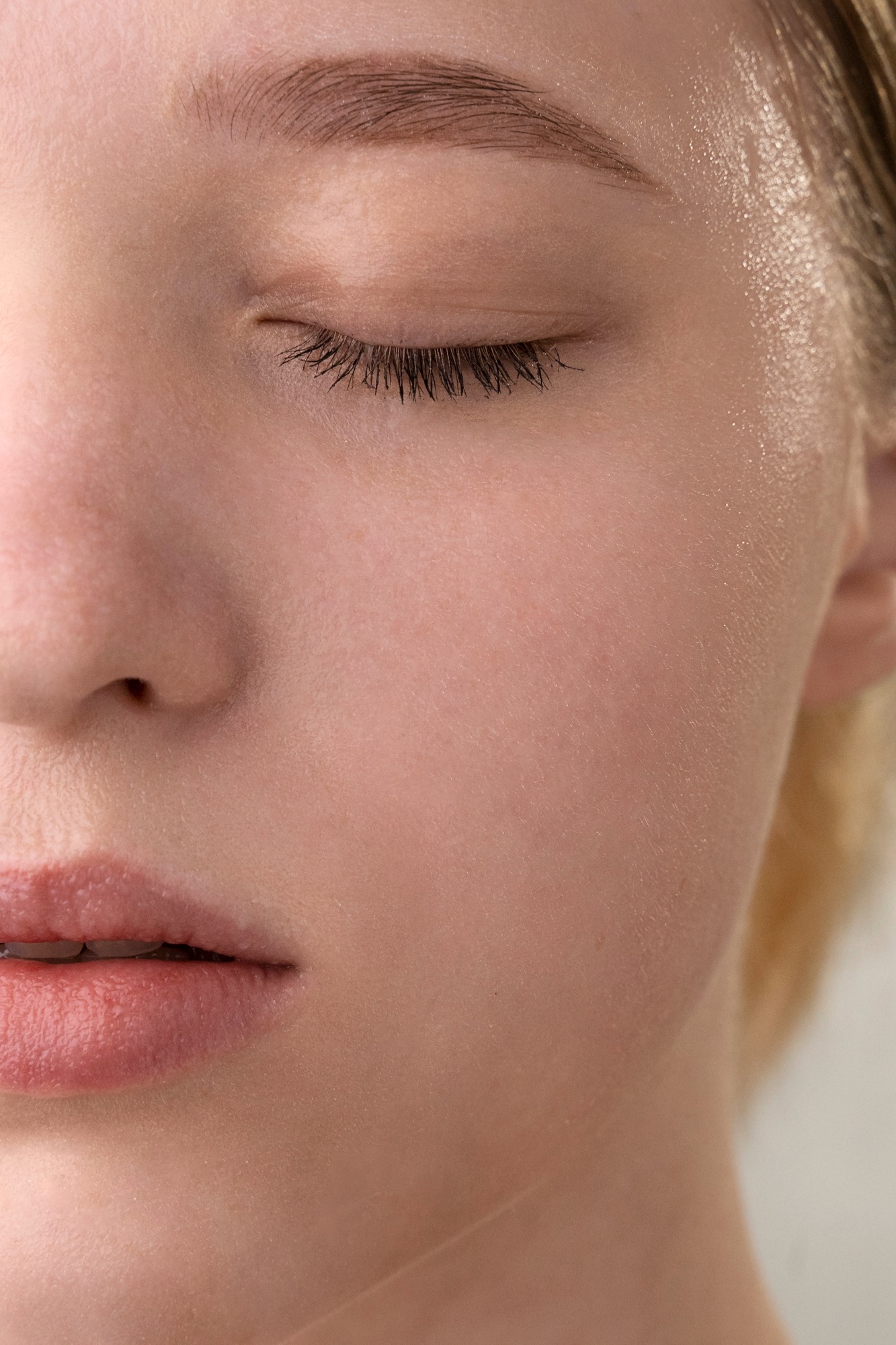
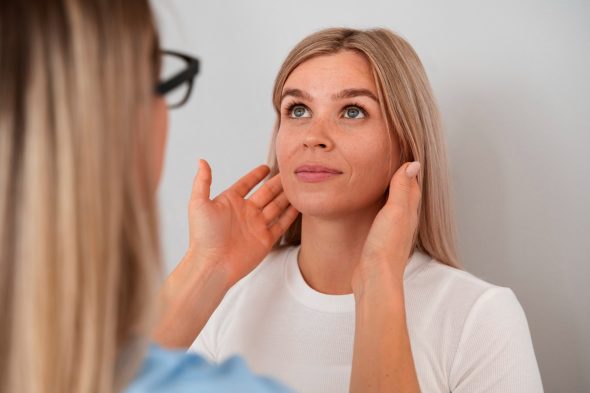
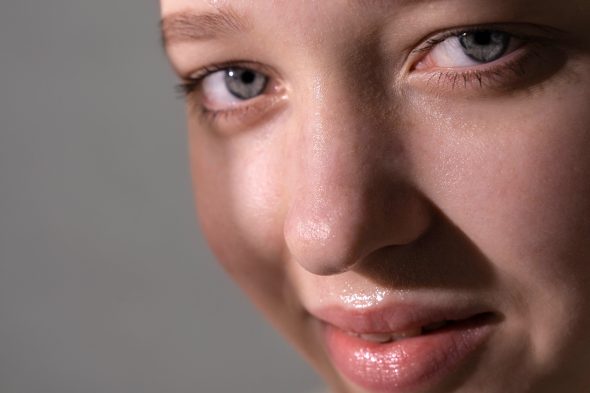
Close-up of a woman's closed eye and cheek showing smooth, glowing skin

What Is a Chalazion?

A chalazion is a small, usually painless lump that develops when one of the meibomian glands in the eyelid becomes blocked. These tiny glands produce an oily substance that forms part of your tear film, helping to lubricate and protect the surface of the eye.

When one of these glands becomes blocked, the oil cannot drain normally and begins to build up inside the eyelid. Over time, this trapped oil forms a firm cyst known as a chalazion.

Chalazia most commonly develop on the upper eyelid, although they can also occur on the lower eyelid. While many people only experience one chalazion, it is possible to develop multiple chalazia at the same time or have recurrent episodes, particularly if an underlying eyelid condition is present.

Although a chalazion is generally harmless, a larger cyst may become more noticeable, press against the eye or make blinking uncomfortable. If an eyelid lump persists or repeatedly returns, it is always worth having it assessed by an ophthalmologist to confirm the diagnosis.

Is It Contagious?

No. A chalazion is not contagious and cannot spread from one person to another. Unlike some eye conditions caused by bacterial or viral infections, a chalazion develops because an oil gland becomes blocked rather than as the result of an infection.

Although bacteria can occasionally contribute to complications if the area becomes infected, the chalazion itself cannot be passed on through close contact, shared towels or touching the affected eyelid. Good hand hygiene and regular eyelid care are still recommended, particularly if you are prone to recurrent chalazia.
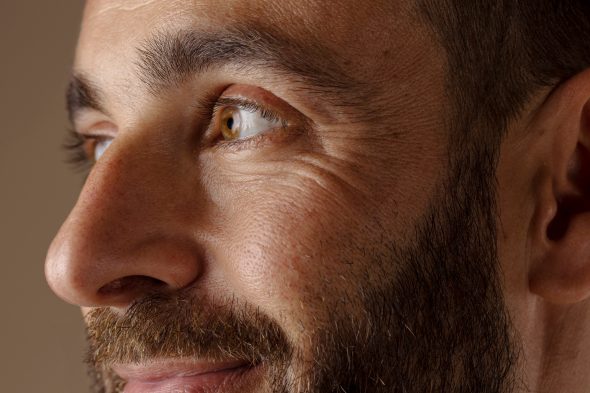
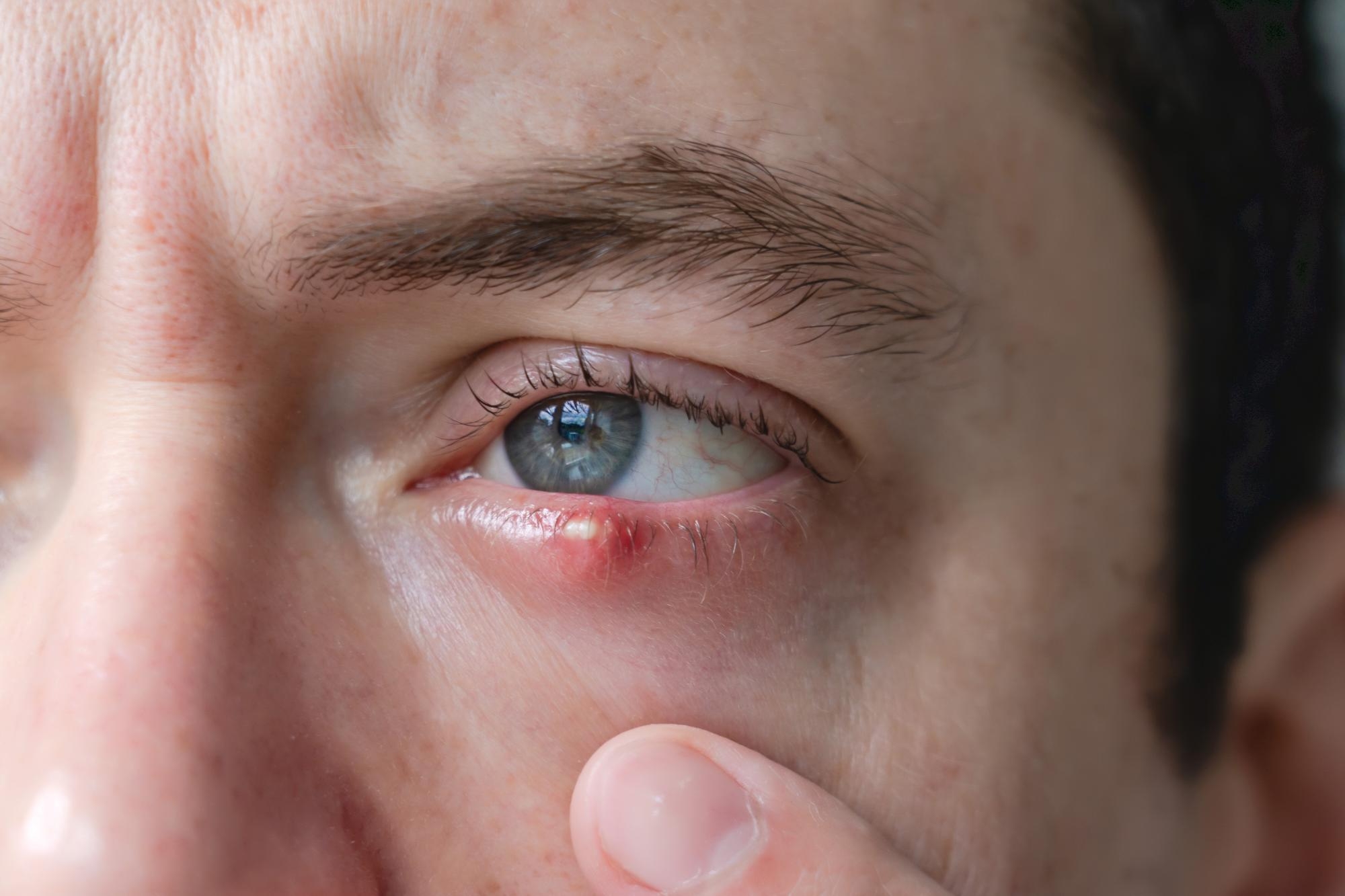
Close-up of a man's eye showing a red stye on the lower eyelid

What Causes a Chalazion?

A chalazion develops when one of the meibomian glands becomes blocked, preventing the natural oils from flowing onto the surface of the eye. As the oil builds up inside the gland, it forms a cyst beneath the eyelid.

While anyone can develop a chalazion, certain conditions make blocked glands more likely. One of the most common is blepharitis, a chronic inflammation of the eyelid margins that affects the normal function of the meibomian glands. Skin conditions such as rosacea and seborrhoeic dermatitis can also increase the risk by affecting the quality and flow of the oils produced by these glands.

People with naturally oily skin may also be more susceptible to gland blockages. If you have had a chalazion before, you may be more likely to develop another in the future, particularly if the underlying cause is not managed. Some long-term health conditions, including diabetes, have also been associated with an increased risk of recurrent chalazia.

Although many chalazia occur without an obvious trigger, maintaining good eyelid hygiene and managing any underlying skin or eyelid conditions may help reduce the likelihood of recurrence.

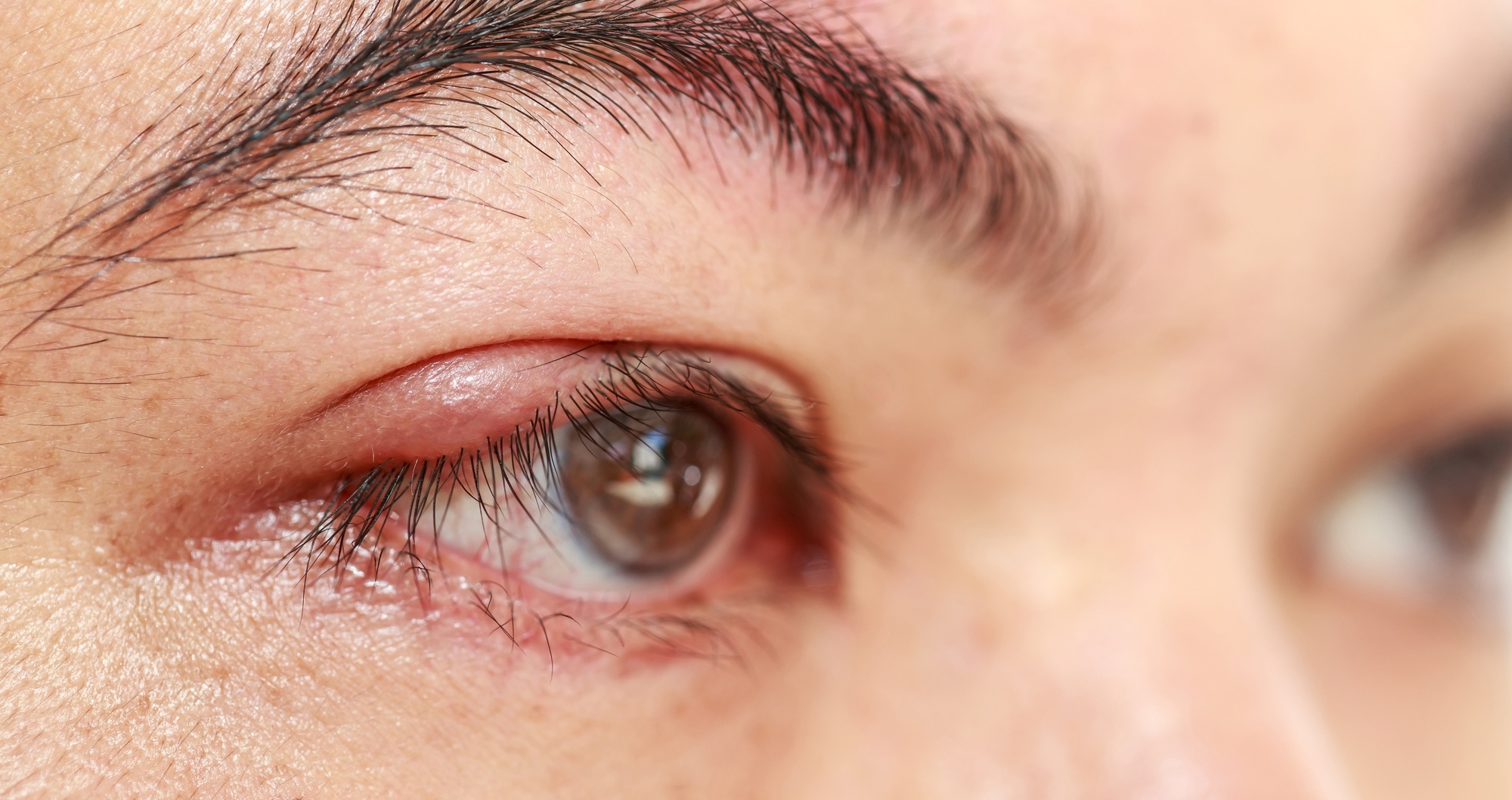
Close-up of an eye with a red, swollen upper eyelid indicating inflammation or a stye

Chalazion Symptoms

The most recognisable symptom of a chalazion is a small lump on the eyelid that develops gradually over several days or weeks. Unlike a stye, the lump is usually painless, although it may feel firm when touched.

Other common symptoms include:

  • A visible swelling on the upper or lower eyelid
  • Mild redness around the affected area
  • Irritation or a feeling of heaviness in the eyelid
  • Tenderness if the chalazion becomes larger
  • Blurred vision if the cyst presses against the surface of the eye

In most cases, a chalazion does not cause significant pain. However, if the blocked gland becomes infected, the eyelid may become increasingly red, swollen and tender. In some cases, the infection can spread into the surrounding eyelid tissues, leading to preseptal cellulitis, which requires prompt medical assessment and treatment.

If your symptoms worsen, the lump continues to grow, or your vision becomes affected, it is important to seek advice from an ophthalmologist to confirm the diagnosis and discuss the most appropriate treatment.

Chalazion vs Stye: What Is the Difference?

Because both conditions cause a lump on the eyelid, chalazia and styes are often mistaken for one another. However, they have different causes and can require different approaches to treatment.

A chalazion develops when one of the meibomian glands becomes blocked, causing oil to build up beneath the eyelid. It usually develops gradually over several days or weeks and is typically painless, although larger chalazia can cause discomfort or blurred vision by pressing against the eye.

A stye (hordeolum), on the other hand, is usually caused by a bacterial infection affecting an eyelash follicle or one of the eyelid glands. Styes often appear more suddenly and tend to be painful, red and swollen. In some cases, they may contain pus and eventually drain on their own.

Although the two conditions can look similar, an accurate diagnosis is important, particularly if the lump does not improve, continues to grow or keeps returning. An ophthalmologist can determine the underlying cause and recommend the most appropriate treatment.

Will a Chalazion Go Away on Its Own?

Yes, many chalazia resolve without surgery. Small chalazia often improve gradually with simple self-care, although this can take several weeks and, in some cases, even a few months.

The most commonly recommended home treatment is applying a warm compress to the affected eyelid several times a day. The warmth may help soften the blocked oil, allowing it to drain more easily. Gentle eyelid massage and good eyelid hygiene may also support the healing process.

While these measures are effective for many people, they do not work in every case. Some chalazia become larger, remain unchanged despite conservative treatment or continue to recur. If this happens, further assessment by an ophthalmologist is recommended to discuss other treatment options.

When Should You See an Ophthalmologist?

Although a chalazion is usually harmless, it is important to seek specialist advice if the lump does not improve with home treatment or continues to return.

You should consider seeing an ophthalmologist if:

  • the chalazion persists for several weeks
  • it continues to grow or becomes increasingly uncomfortable
  • it affects your vision
  • you experience recurrent chalazia
  • you are unsure whether the lump is a chalazion or another eyelid condition

In rare cases, a persistent eyelid lump may resemble sebaceous gland carcinoma, an uncommon type of eyelid cancer. Although this is rare, an ophthalmologist can examine the eyelid and determine whether any further investigation is required.

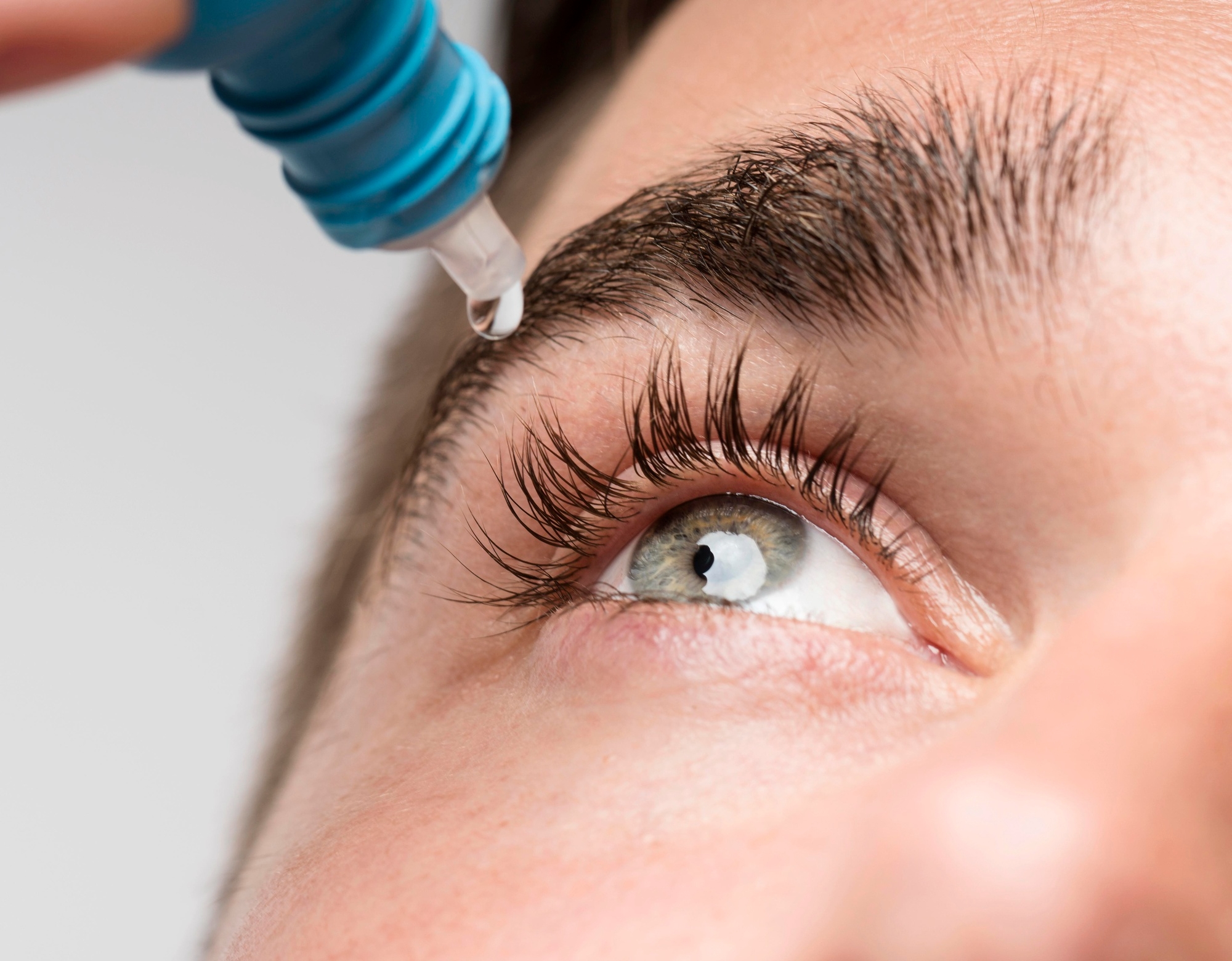
Close-up of eye drops being applied to a woman's open eye from a blue dropper bottle

How to Treat a Chalazion

Treatment depends on the size of the chalazion, how long it has been present and whether it is causing symptoms.

Many patients respond well to conservative treatment, including warm compresses, eyelid hygiene and gentle massage. If the chalazion persists, a specialist may recommend a steroid injection to reduce inflammation in selected cases.

For larger or long-standing chalazia that do not resolve with conservative treatment, chalazion removal surgery may be the most effective option. The procedure is performed under local anaesthetic and usually takes around 30 minutes.

If your chalazion does not improve with home treatment or keeps returning, specialist assessment may be recommended. Learn more about our Chalazion Removal treatment to understand what to expect and whether surgery may be right for you.

FAQ

Is a Chalazion Painful?

Most chalazia are not painful. They usually develop gradually and feel like a firm lump beneath the eyelid. However, larger chalazia can become uncomfortable by pressing against the eye or interfering with normal eyelid movement. If the chalazion becomes infected, it may become red, swollen and painful.

Can a Chalazion Come Back?

Yes. Some people experience recurrent chalazia, particularly if they have underlying conditions such as blepharitis, rosacea or seborrhoeic dermatitis. Maintaining good eyelid hygiene and managing these conditions may help reduce the risk of future episodes.

Can Children Get Chalazia?

Yes. Although chalazia are more common in adults, they can also occur in children. Many resolve with conservative treatment, but persistent or recurrent chalazia should be assessed by an ophthalmologist to determine whether further treatment is needed.

Can I Wear Contact Lenses with a Chalazion?

It is generally recommended to avoid wearing contact lenses while you have an active chalazion, particularly if your eye feels irritated or inflamed. Wearing glasses until the eyelid has healed can help reduce discomfort and lower the risk of further irritation. If you are unsure when it is safe to wear your contact lenses again, ask your ophthalmologist for advice.

Book a Consultation

If you are interested in any of the treatments we offer, or require any clarifications, we would love to hear from you. We deal with all issues relating to the Harley Street and Moorfields practices. You can reach us by phone, by email or by filling out the contact form below.

This field is for validation purposes and should be left unchanged.
This field is hidden when viewing the form
Please tell us how you heard about us

Latest articles

Close-up of eye drops being applied to a woman's open eye from a blue dropper bottle

What Is a Chalazion? Symptoms, Causes and Everything You Need to Know

Daniel Ezra Blog

View Post
Young woman with natural curly hair and glowing skin touching her face against a brown background

What is Ptosis (Droopy Eyelid)? Symptoms, Causes and Treatment Explained

Daniel Ezra Blog

View Post

Contact us

If you are interested in any of the treatments we offer, or require any clarifications, we would love to hear from you. We deal with all issues relating to the Harley Street and Moorfields practices. You can reach us by phone, by email or by filling out the contact form below.

This field is for validation purposes and should be left unchanged.
This field is hidden when viewing the form
Please tell us how you heard about us