

This course includes:
This comprehensive online tear trough filler course delivers everything you need to master the technique at your own pace:
- In-depth coverage from anatomy to clinical decision-making
- The evidence-based three-point tangent technique supported by over 1,400 cases
- Six months of post-course support from the Ezra Clinic
You’ll learn from specialist oculoplastic surgeons through structured video lessons, real case analysis, and interactive content designed to build your confidence before treating your first patient.
With knowledge grounded in the largest published research on this technique, you’ll understand not just how to inject, but when to treat, when to take a conservative approach, and when to decline treatment altogether.

What will I learn?

Lesson 1: Anatomy of the tear trough region.
Advanced tear trough filler procedures require a deep understanding of periorbital anatomy. Mastery of the anatomical layers, vascular and nerve pathways, and supporting structures is critical for achieving optimal results while minimising risks.
Learning Objectives:
- Review the layered anatomy of the periorbital region
- Identify key vascular and nerve structures
- Understand the role of fat pads and ligaments
- Apply anatomical knowledge to optimise filler placement

Lesson 2: Patient Assessment and Selection for Tear Trough Fillers
Thorough patient assessment and selection are the cornerstones of safe and effective tear trough filler procedures. The unique anatomical and aesthetic challenges of the periorbital region demand a meticulous approach to evaluating candidacy.
Learning Objectives:
- Understand the causes of dark circles and what filler injections can treat
- Identify features of ideal and non-ideal candidates
- Recognise contraindications and risk factors
- Effectively manage patient expectations
- Understand the relative and absolute contraindications

Lesson 3: Product Selection and Preparation for Tear Trough Injections
Meticulous product selection and preparation are fundamental to achieving safe, predictable, and aesthetically pleasing results in tear trough filler procedures. The unique anatomical challenges of the periorbital region demand a nuanced understanding of filler properties and careful handling.
Learning Objectives:
- Identify key filler characteristics suitable for the tear trough
- Understand the importance of rheology in product selection
- Evaluate safety profiles and adverse event risks
- Apply best practices for filler preparation and handling
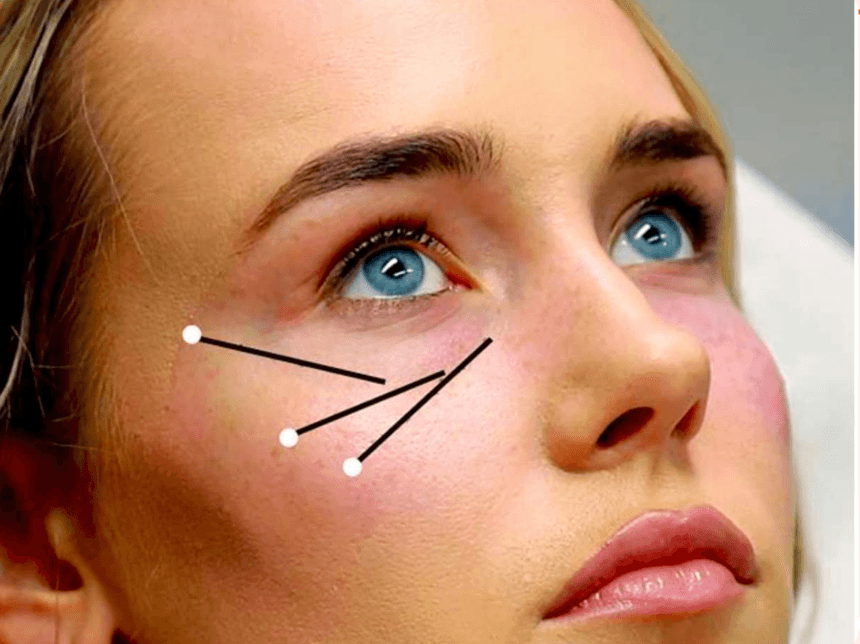
Lesson 4: Three-Point Tangent Technique: Principles, Evidence, and Step-by-Step Execution
Advanced, evidence-based approaches are essential for achieving safe and consistent results in tear trough filler procedures. This lesson focuses on the three-point tangent technique, a systematic method designed to optimise outcomes and minimise complications.
Learning Objectives:
- Explain the conceptual basis of the three-point tangent technique
- Compare this approach to other commonly used tear trough filler techniques
- Demonstrate step-by-step execution using a blunt cannula
- Interpret clinical evidence supporting the technique’s safety and efficacy

Lesson 5: Optimising Outcomes: Filler Volumes, Aftercare, and Complication Management
Achieving safe, predictable results in tear trough filler procedures requires careful attention to filler volumes, aftercare, and complication management. Evidence-based decisions in these areas are essential for minimising risks and maximising patient satisfaction.
Learning Objectives:
- Apply evidence-based aftercare protocols to support patient safety
- Recognise and manage common and rare complications
- Communicate outcome data and complication rates effectively to patients
- Develop strategies for patient education and follow-up
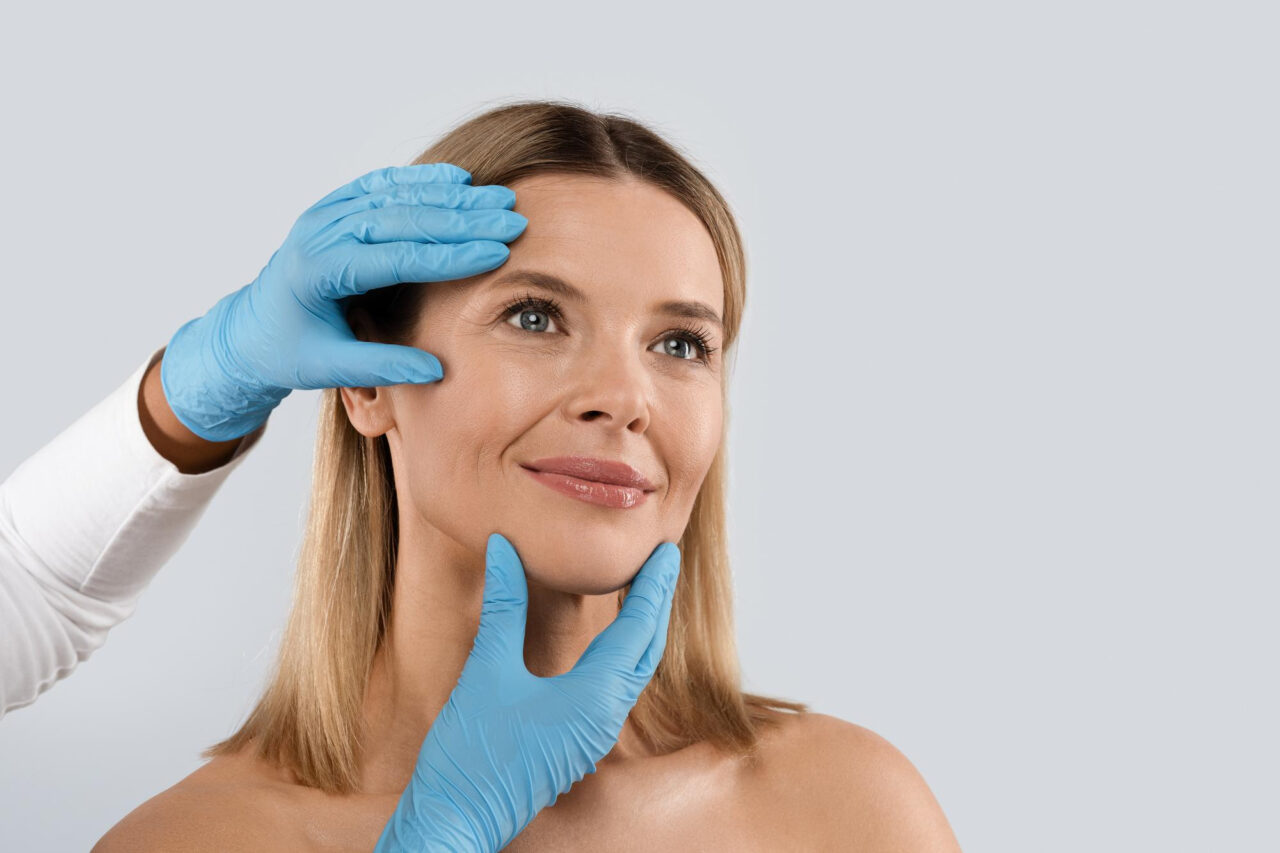
Lesson 6: Case-Based Clinical Decision Making for Tear Trough Filler
This lesson marks your transition from foundational knowledge to hands-on clinical reasoning. You will engage with authentic periocular filler scenarios, applying your understanding to analyse cases, make informed decisions, and justify your clinical choices.
Learning Objectives:
- Systematically assess periorbital filler cases using a structured approach
- Interpret before-and-after images to guide and evaluate treatment decisions
- Justify your clinical choices based on individual patient features and needs
- Reflect on and refine your decision-making strategies for continuous improvement
Meet Your Faculty
Mr Daniel Ezra
MA(Cantab)MMedEd MD(Cantab) FRCS(G)FRCOphth FHEA
Daniel Ezra is a consultant at Moorfields Eye Hospital, where he has held a variety of senior positions, including Director of Oculoplastic Surgery, Training Director, and Research Lead. l. He specialises in all aspects of cosmetic and reconstructive eyelid surgery and lacrimal disease.
His private practice at 152 Harley Street is one of the busiest in the UK, with a 12-month wait for appointments. He is an internationally recognised authority on periocular aesthetics and is regularly invited to lecture at academic meetings.
He is one of the most widely published specialists in the field, with over 100 published articles and book chapters on eyelid surgery. He has a passion for teaching and education and holds a Master’s Degree in Medical Education.
Courses FAQ
Will I receive a certificate after completing the course?
Yes, all delegates receive a certificate of attendance upon completion of the full-day course. This demonstrates your commitment to advanced professional development in periorbital aesthetics and specialist training from oculoplastic surgeons.
Is there a practical exam or assessment component?
The course focuses on structured education and clinical understanding rather than formal examination. Your learning is reinforced through case-based discussions, real patient treatment analysis, and guided clinical decision-making exercises, with clear explanations from faculty to support your development and confidence. A multiple-choice element will help enforce learning outcomes at the end of each lesson.
Will I learn about other periorbital treatments during the course?
This course is specifically focused on tear trough filler treatment e. Whilst anatomical knowledge and patient assessment skills are transferable, the curriculum focuses entirely on mastering this particular area rather than broader periorbital aesthetics.
How soon after the course can I start treating patients?
You can begin offering tear trough treatment as soon as you feel confident to do so within your scope of practice. However, you will have 6 months of post-course support to help you navigate your first cases, making it advisable to start conservatively and seek guidance on patient selection and technique refinement as needed.

Enquire about our courses
"*" indicates required fields