



What Is Lip Filler Migration and the “Moustache” Effect?
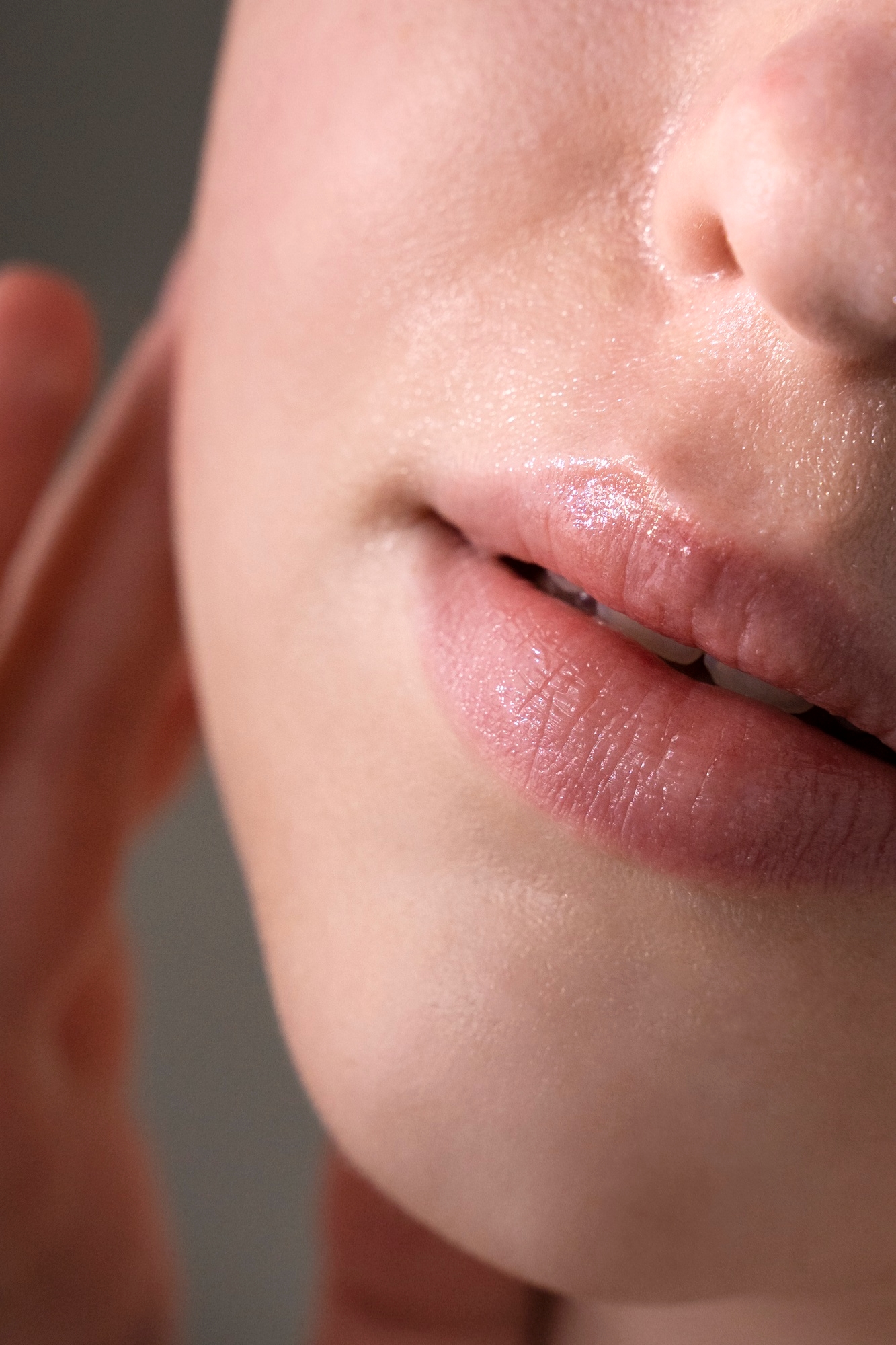
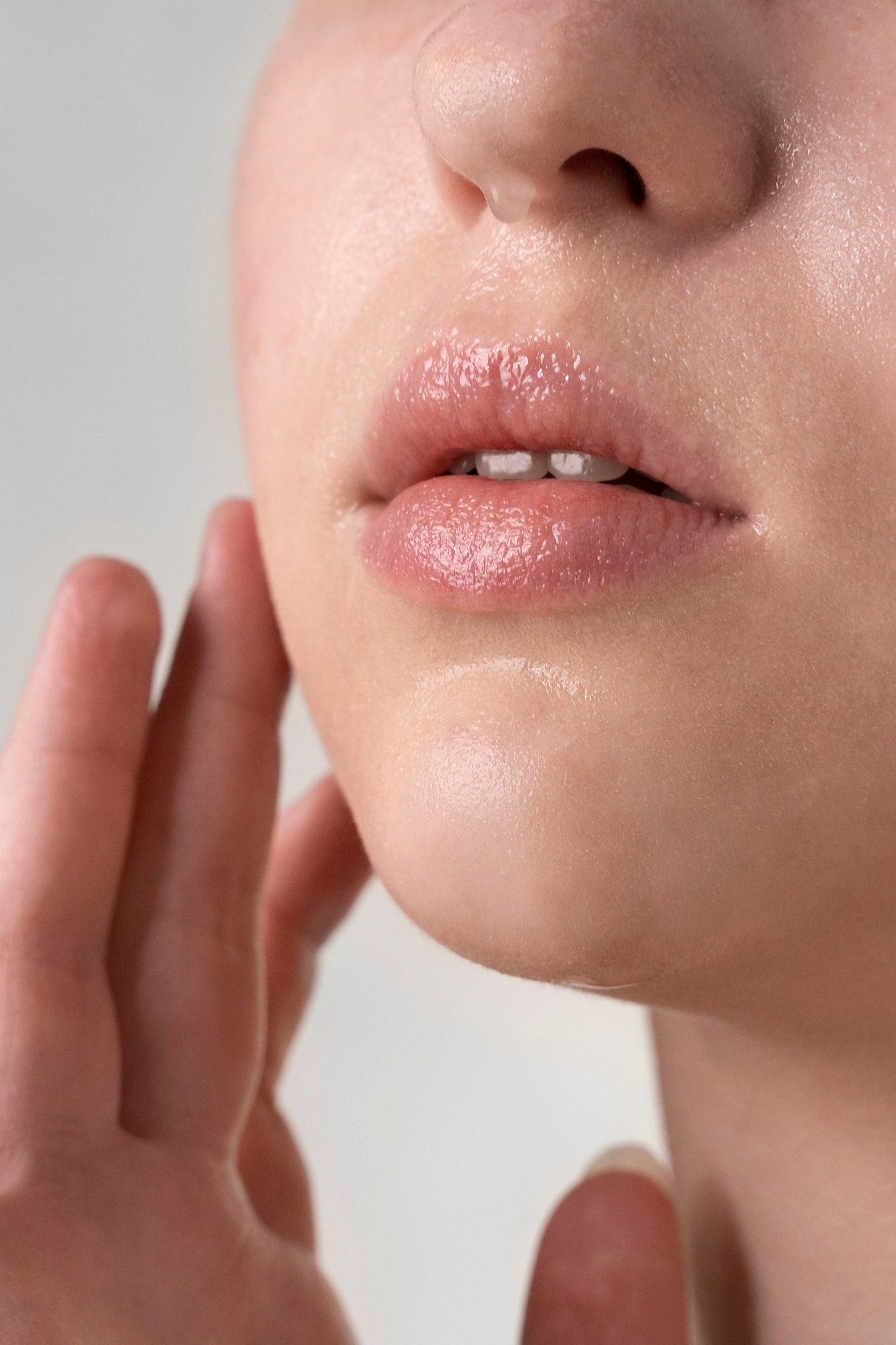
Lip filler migration refers to the movement of injected filler away from where it was originally placed. When filler migrates into surrounding tissue, it creates visible fullness or shadowing in unintended areas. The “moustache” effect describes darkened shadowing or puffiness above the upper lip, particularly between the nose and lip border. This creates an unflattering appearance resembling facial hair.
It is essential to distinguish normal post-treatment swelling from true migration. Immediate swelling resolves naturally within days to weeks and affects the lips symmetrically. Migration develops gradually, creating persistent changes that do not improve with time. The shadowing appears as subtle darkness beneath the skin, caused by hyaluronic acid sitting in superficial tissue layers.
The upper lip and philtrum area are particularly prone to migration due to thin tissue with limited structural support. Constant movement from facial expressions, speaking and eating creates mechanical forces that can displace filler over time.
Early Signs That Lip Filler May Be Migrating
Recognising early indicators allows timely intervention before the moustache’s appearance becomes pronounced. Subtle puffiness or fullness developing above the natural upper lip border is often the first sign patients notice. This fullness differs from normal swelling in its location, persistence and gradual onset.
Blurring of the lip border represents another significant warning sign. The vermillion border should remain crisp and well-defined following proper lip enhancement. When this border appears softened or indistinct, filler may be spreading beyond the intended zone.
A characteristic shadow resembling a moustache often develops gradually. Patients initially notice faint darkness above the upper lip, which becomes progressively more noticeable. Many detect these subtle changes before migration becomes obvious to others, making patient education essential.