



What Is the Best Treatment for Dark Circles Under Eyes?

Daniel Ezra, 13 February 2026

Dark circles under the eyes are one of the most common aesthetic concerns affecting people across all age groups and skin types. Whilst they are primarily cosmetic issues rather than medical conditions, their impact on confidence and appearance should not be underestimated. Many individuals find that persistent dark circles make them look perpetually tired, older, or unwell, even when they feel perfectly healthy and well-rested.

In this article, we provide a comprehensive, evidence-based overview of what truly causes dark circles and, more importantly, which treatments deliver genuine, long-lasting improvement rather than temporary cosmetic camouflage.

Side-profile portrait of a person with hair pulled into a sleek bun, eyes closed, resting their hand against their face on a soft yellow background.

What Causes Dark Circles Under the Eyes?

Understanding the root causes of dark circles is essential when determining the most effective treatment approach. According to clinical and dermatological sources, several factors contribute to the appearance of shadowing and discolouration beneath the eyes.

Ageing and collagen loss are among the primary causes. As we age, the skin around the eyes becomes progressively thinner due to the natural depletion of collagen and elastin fibres. This thinning makes the underlying blood vessels and pigmentation far more visible, creating a darker appearance. The delicate periorbital skin is particularly vulnerable to these age-related changes, as it is already the thinnest skin on the entire body.

Genetics and pigmentation also play significant roles, with dark circles more pronounced in certain skin types and ethnic backgrounds. Some individuals are simply predisposed to hyperpigmentation around the eyes, whilst others may have inherited structural features such as deeper-set eyes or hollow tear troughs that create natural shadowing.

Lifestyle factors, including lack of sleep, chronic stress, and dehydration, contribute to temporary yet noticeable dark circles. When the body is fatigued or dehydrated, blood vessels can dilate and become more prominent, whilst the skin may appear duller and more sallow. Poor microcirculation and vascular visibility further exacerbate the problem, as sluggish blood flow in the delicate capillaries beneath the eyes can lead to darker under-eye tones and a tired appearance. These common lifestyle factors, whilst addressable through behavioural changes, often interact with structural and genetic causes to create persistent dark circles that resist simple home remedies.

Close-up portrait of a person with blue eyes, natural makeup, smooth skin, and softly groomed eyebrows against a warm neutral background.

Traditional and At-Home Solutions – What Can You Do Yourself?

  • Before exploring advanced treatments, it is worth considering traditional approaches that can provide some degree of improvement for mild cases or temporary dark circles. The foundation of any home care routine should include adequate sleep and proper hydration. Ensuring seven to nine hours of quality sleep per night and maintaining optimal hydration levels can help minimise the appearance of fatigue-related dark circles and support overall skin health.
  • Cold compresses and caffeine-based eye products remain popular home remedies. Cold temperatures cause temporary vasoconstriction, reducing the visibility of blood vessels beneath the thin skin, whilst caffeine helps to constrict blood vessels and reduce puffiness. However, these effects are fleeting and typically last only a few hours.
  • Topical formulations containing active ingredients such as vitamin C, niacinamide, and peptides have gained considerable attention in the skincare community. Vitamin C can help brighten pigmentation and support collagen synthesis; niacinamide improves skin barrier function and reduces inflammation; whilst peptides may stimulate collagen production to some degree. When used consistently over several months, these products can offer modest improvements in skin tone and texture.

It is important to understand, however, that whilst these approaches may reduce the visibility of dark circles to some extent, they rarely address the deeper structural causes. Issues such as significant collagen depletion, tissue thinning, vascular visibility, and genetic pigmentation patterns typically require more targeted interventions to achieve meaningful, lasting results.

Portrait of a person with long dark hair, warm-toned makeup, and glossy lips looking slightly to the side against a beige background.

Medical Aesthetic Treatments – Solutions That Last Longer

For those seeking more substantial and enduring improvements, medical aesthetic treatments offer a scientifically advanced alternative to over-the-counter products. The fundamental difference is that medical treatments target collagen production, microcirculation, and skin quality at a cellular and structural level, rather than simply masking the concern with temporary topical solutions.

Polynucleotides: A Regenerative Game-Changer

Polynucleotide injections represent one of the most exciting developments in regenerative aesthetics for the under-eye area. These innovative biostimulators contain highly purified nucleotides derived from biological sources, which support cellular regeneration, stimulate collagen and elastin production, and enhance the skin’s natural repair mechanisms. Beyond their regenerative properties, polynucleotides also possess strong water-binding capabilities, delivering deep hydration whilst improving overall skin elasticity and resilience.

How are they different from traditional fillers?

The key distinction between polynucleotides and conventional treatments lies in their mechanism of action. Unlike hyaluronic acid fillers, which physically add volume to hollow areas, polynucleotides improve the intrinsic quality of the skin itself. They stimulate the body’s own healing and regenerative processes rather than simply filling space.

This fundamental difference means there is a significantly lower risk of complications such as puffiness, migration, or the unnatural appearance that can sometimes occur with fillers in the delicate under-eye area.

How do they help with dark circles?

Polynucleotides address dark circles through multiple complementary mechanisms. Firstly, they improve microcirculation in the treated area, helping reduce the visibility of underlying blood vessels that contribute to dark discolouration.

Secondly, they promote the development of thicker, better-hydrated skin that reflects light more evenly, naturally softening the appearance of dark tones and creating a more luminous quality.

Finally, the enhanced cellular repair and collagen stimulation lead to progressive improvement that continues to develop over the weeks and months following treatment, rather than offering only immediate but temporary results.

Treatment course and results

Polynucleotide treatments are typically delivered as a course rather than a single session. Most practitioners recommend between two and four treatment sessions, spaced approximately three to four weeks apart, to achieve optimal results.

The effects are not instantaneous, as the treatment stimulates the body’s natural regenerative processes, but patients generally notice improvements within a few weeks. Results can last several months, with many individuals experiencing continued improvement in skin quality over time. Maintenance treatments may be recommended to sustain the benefits long-term.

Two people standing close together, both with natural makeup and glowing skin, looking directly at the camera against a light background.

Eyes 2.0 Package: Comprehensive Eye Rejuvenation

For those seeking the most comprehensive approach to under-eye rejuvenation, integrated treatment packages offer distinct advantages.

The Eyes 2.0 Package represents a premium, multi-modal treatment strategy that combines three powerful modalities:

  • microneedling to stimulate collagen production and accelerate skin renewal,
  • skin boosters for deep hydration and improved skin texture,
  • and polynucleotide injections for cellular regeneration and sustained skin quality enhancement.

What does it address?

This comprehensive package is designed to address the full spectrum of under-eye concerns. It effectively targets dark circles and shadowing beneath the eyes by improving skin thickness, hydration, and microcirculation. Additionally, it addresses fine lines, crepiness, and the overall tired appearance that often accompanies periorbital ageing. The result is a noticeably brighter, fresher, and more youthful eye area that looks naturally rejuvenated rather than artificially altered.

Advantages over single-treatment approaches

The primary advantage of a multi-modal treatment package lies in its integrated strategy. Rather than addressing only one contributing factor, this approach simultaneously targets multiple causes of under-eye ageing and dark circles, including skin thinning, dehydration, poor circulation, and collagen loss. The synergistic effect of combining these treatments typically produces superior results compared to any single modality alone.

Despite the comprehensive nature of the treatment, downtime remains minimal, typically around forty-eight hours, making it practical for most individuals with busy lifestyles.

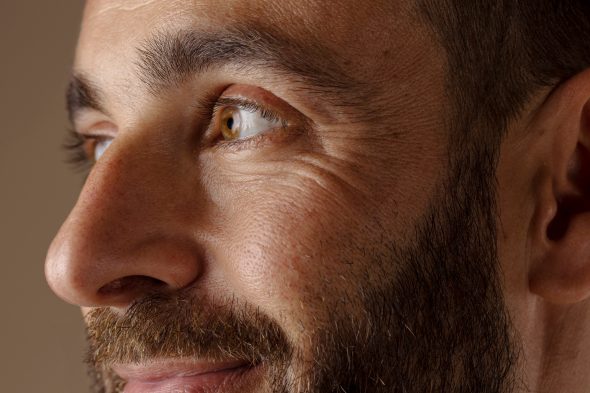
Close-up of a smiling face with brown eyes and full eyebrows, applying or holding a soft cloth near the cheek, showing natural skin texture.

Tear trough filler

The key distinction between when polynucleotides or tear trough filler are most appropriate lies in the presence of structural hollowing alongside dark circles. Hollowing beneath the eyes can create shadowing, making the area appear darker even in the absence of true pigmentation. In these cases, tear trough filler can be used to restore contour, soften shadows and improve the overall appearance of under-eye darkness.

At The Ezra Clinic, Caroline Wilde and Daniel Ezra have published the largest clinical series on tear trough filler worldwide. This extensive experience allows us to continuously analyse our outcomes and refine our techniques, ensuring that patients are offered solutions that prioritise safety, precision and consistently effective results.

Extreme close-up of a face highlighting eyes, eyebrows, and smooth skin texture with warm lighting and neutral makeup.

What Do Experts and Trends Say?

The aesthetic medicine landscape has witnessed a significant shift towards regenerative injectable treatments in recent years. Polynucleotides and similar biostimulatory approaches are increasingly favoured by both practitioners and patients due to their ability to deliver natural-looking, long-lasting skin quality improvements without the risks associated with volume-adding treatments in sensitive areas.

Leading oculoplastic surgeons and dermatologists emphasise that identifying the underlying cause of dark circles is absolutely essential when selecting the most effective treatment approach. Whether the primary issue is genetic pigmentation, vascular visibility, structural volume loss, or simply skin thinning, a proper assessment ensures that treatment is tailored to address the specific factors at play in each individual case.

The Ezra Clinic has established considerable expertise in this field, offering advanced regenerative treatments and personalised assessment protocols designed to identify the most appropriate solution for each patient’s unique concerns. Their approach recognises that dark circles are rarely caused by a single factor and that the most successful outcomes are achieved through carefully customised treatment plans.

If you are struggling with persistent dark circles and seeking a solution that goes beyond temporary concealment, the most important step is to seek a professional consultation with an experienced aesthetic practitioner.

A personalised approach, guided by thorough assessment and expert knowledge, will always deliver the most effective and natural-looking results. Understanding your individual causes and selecting treatments that address those specific factors is the key to achieving lasting improvement and renewed confidence in your appearance.


Latest articles