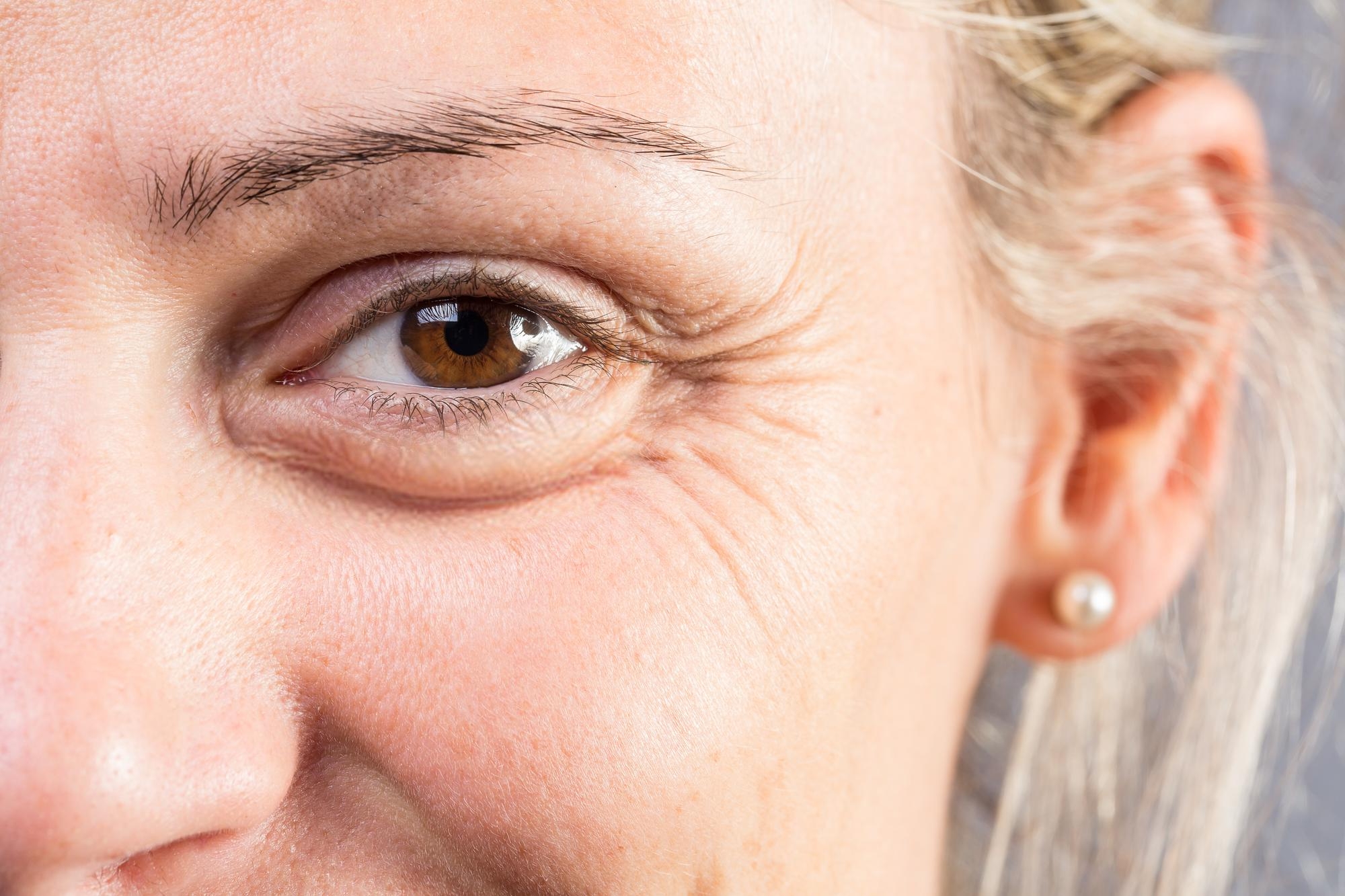
Under-eye bags are one of the most common concerns seen in aesthetic practice, and also one of the most misunderstood. Many people feel that no matter how well they sleep, hydrate or care for their skin, the puffiness beneath their eyes never truly disappears. This can be particularly frustrating, as the under-eye area plays a central role in how rested, healthy and youthful the face appears.
A widespread misconception is that eye creams, home remedies or lifestyle changes alone can remove under-eye bags permanently. While these approaches may improve the appearance temporarily, they rarely address the underlying cause. The reality is that under-eye bags develop for different reasons, and effective long-term improvement depends on understanding what is happening beneath the skin.
This guide explains which non-surgical treatments genuinely work long-term, who they are suitable for, and when surgery becomes the most reliable solution for achieving lasting results.
Non-Surgical Treatments That Can Genuinely Reduce Under-Eye Bags Long-Term
Not all under-eye bags require surgery, but it is important to approach non-surgical options with realistic expectations. Certain treatments can offer meaningful, lasting improvement for specific types of under-eye concerns, whilst others provide only temporary or superficial benefits.
Can Under-Eye Bags Be Treated Permanently Without Surgery?
An honest answer to this question is that not all under-eye bags can be removed without surgery. For individuals with significant fat pad protrusion or severe skin laxity, non-surgical treatments may provide modest improvement but will not deliver complete or permanent removal. It is essential to understand the difference between long-term reduction and complete elimination.
Realistic expectations lead to better outcomes and greater satisfaction. When non-surgical approaches are matched appropriately to the underlying cause, they can offer meaningful, lasting improvement in appearance. This is particularly true for individuals with mild to moderate concerns, those whose primary issue is skin quality rather than structural fat protrusion, or those seeking enhancement rather than transformation.
Injectable Treatments: When They Help and When They Do Not
Dermal filler is often misunderstood in the context of under-eye bags. Whilst filler can be highly effective for treating volume loss in the tear trough region, it is often unsuitable for true under-eye bags caused by fat protrusion. Adding volume to an area that is already full or bulging can worsen the appearance, creating further heaviness and even contributing to puffiness or a lumpy contour.
Regenerative injectables such as polynucleotides and skin boosters represent a more promising approach for certain individuals. These treatments work by stimulating collagen production, improving skin quality, and enhancing elasticity. They do not add volume but rather encourage the skin to regenerate and function more youthfully. This can lead to subtle, natural improvement in the appearance of the under-eye area, particularly when skin laxity is a contributing factor, although the efficacy of this treatment is yet to be clearly defined.
Advanced anatomical knowledge is essential when treating the under-eye area. The region is complex, with delicate blood vessels, thin skin, and proximity to critical structures. Only experienced practitioners with specialised training in periorbital anatomy should perform injectable treatments in this area to minimise risk and maximise results.