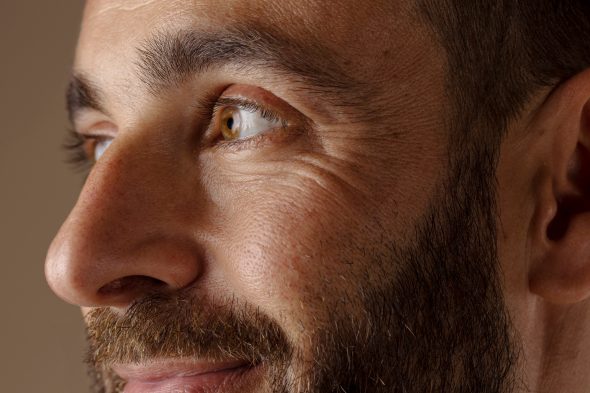
What Defines a Natural Looking Blepharoplasty Outcome?
A natural-looking blepharoplasty outcome is characterised by a rested, refreshed appearance rather than a visibly altered or worked-on look. The eyes should appear brighter and more balanced, but the overall result should blend seamlessly with the rest of the face. Preservation of expression and individuality is essential; the surgery should enhance rather than erase the features that make you recognisable.
Subtle correction is key. The best results are those that others may not immediately identify as surgical, but that leave you looking more vibrant and approachable. It is also important to understand that perfect symmetry is neither realistic nor desirable. Aiming for exact mirror-image symmetry can result in an unnatural appearance, as the human face is inherently asymmetrical. The goal is balance, not perfection.
Avoiding an Overdone Look: Common Mistakes in Asymmetry Correction
One of the most common pitfalls in correcting eye asymmetry is doing too much. Removing excessive skin or fat in pursuit of dramatic change can leave the eyes looking hollow or overcorrected, and in some cases may even affect comfort. The most natural results come from a restrained approach that respects the eye’s natural contours. The philosophy of all of the surgeons at the Ezra Clinic is to preserve as much tissue as possible.
Another frequent issue is chasing perfect symmetry. Faces are not designed to be identical from side to side, and trying to force equality can create a result that feels artificial or out of place. True refinement lies in restoring balance rather than erasing individuality.
This is why an oculoplastic approach matters. Working with the delicate structures of the eyelids requires deep anatomical understanding and surgical precision, ensuring results that feel safe, subtle and entirely natural.
Blepharoplasty as the Gold Standard for Correcting Eye Asymmetry
For individuals with structural asymmetry, blepharoplasty remains the most effective and lasting solution. This surgical procedure directly addresses the anatomical causes of imbalance, whether that involves removing excess skin, repositioning or removing fat, or adjusting the position of the eyelid crease. Unlike non-surgical treatments, blepharoplasty provides permanent correction and can achieve meaningful, harmonious results.
There are two main types of blepharoplasty, upper and lower. Upper blepharoplasty focuses on the upper eyelid and is often used to correct hooding, excess skin or asymmetrical creases. Lower blepharoplasty addresses concerns beneath the eye, such as puffiness, hollowing or under-eye bags. In many cases of asymmetry, a combination of both procedures may be necessary to achieve optimal balance.
The key advantage of blepharoplasty is that it addresses asymmetry at its source rather than simply masking it. By carefully tailoring the surgery to the specific needs of each eyelid, a skilled surgeon can create a balanced, natural result that respects the individual characteristics of your face.
How Blepharoplasty Creates Natural, Balanced Results
Blepharoplasty is not a one-size-fits-all procedure. Achieving natural, balanced results requires a highly individualised approach that takes into account the unique anatomy and proportions of each patient’s face. During surgery, the surgeon can adjust the eyelid crease height on each side to ensure symmetry without creating an artificial or uniform appearance. This is particularly important in cases where one crease is naturally higher or more defined than the other.
Side-specific fat removal or repositioning is another critical aspect of correcting asymmetry. If one eyelid has more pronounced fat prolapse or puffiness, the surgeon can address this while leaving the opposite side relatively untouched or adjusting it differently. Similarly, excess skin can be removed with precision on each eyelid, ensuring that the final result is balanced without over-correcting.
Respecting natural eye shape and facial proportions is paramount. The goal is not to create identical eyes but to restore harmony and balance in a way that complements the rest of the face. A skilled oculoplastic surgeon understands the nuances of periorbital anatomy and works meticulously to achieve results that look refreshed and natural rather than operated on.