How To Get Rid of Purple Under Eyes: Causes and Solutions

Daniel Ezra, 30 January 2026

Purple discolouration beneath the eyes is a common concern that often leaves individuals feeling self-conscious. Unlike brown pigmentation associated with sun exposure, purple under-eye tones stem from deeper structural and vascular factors. Understanding the underlying cause is essential for selecting effective treatment, as topical products alone rarely deliver lasting results when the issue lies beneath the skin surface.

In this blog, we explore the most common reasons purple under-eye discolouration occurs and explain how different causes require different treatment approaches.

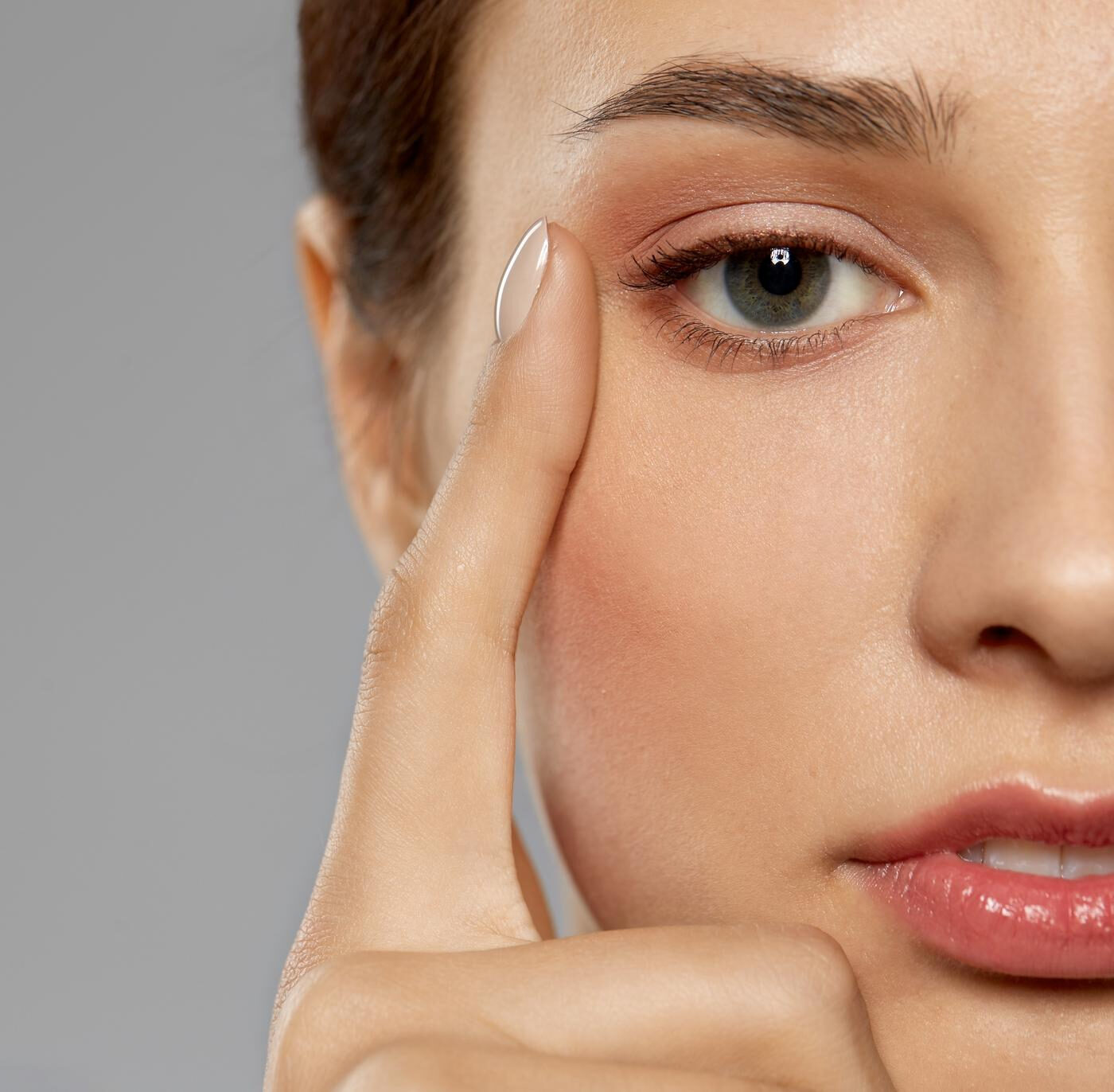
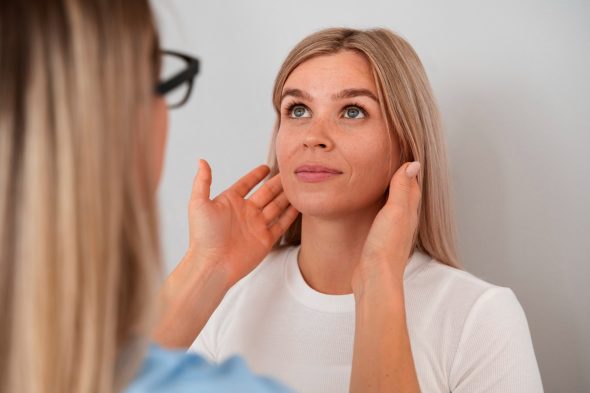
Close-up of a woman’s eye and cheek as a finger gently presses the skin beneath the eye against a gray background.

What Causes Purple Under Eyes?

Purple tones beneath the eyes differ fundamentally from brown hyperpigmentation. The bluish-purple hue usually indicates vascular or structural factors rather than melanin accumulation. This discolouration becomes visible when deoxygenated blood within superficial vessels shows through thin skin, or when anatomical changes create shadows in the under-eye area.

Thin under-eye skin and visible blood vessels

The periorbital skin is considerably thinner than skin elsewhere on the face, measuring only around half a millimetre compared to approximately two millimetres on the cheeks. This delicate structure makes blood vessels beneath the eyes more visible, as well as the muscles that move the eyelid. As we age, natural collagen degradation further diminishes dermal thickness, whilst genetic factors determine baseline skin characteristics.

Some individuals inherit naturally thin periorbital skin, making vessels visible even in youth. When collagen deteriorates over time, the skin becomes increasingly translucent, allowing the purplish-blue colour of underlying muscle to show through more prominently.

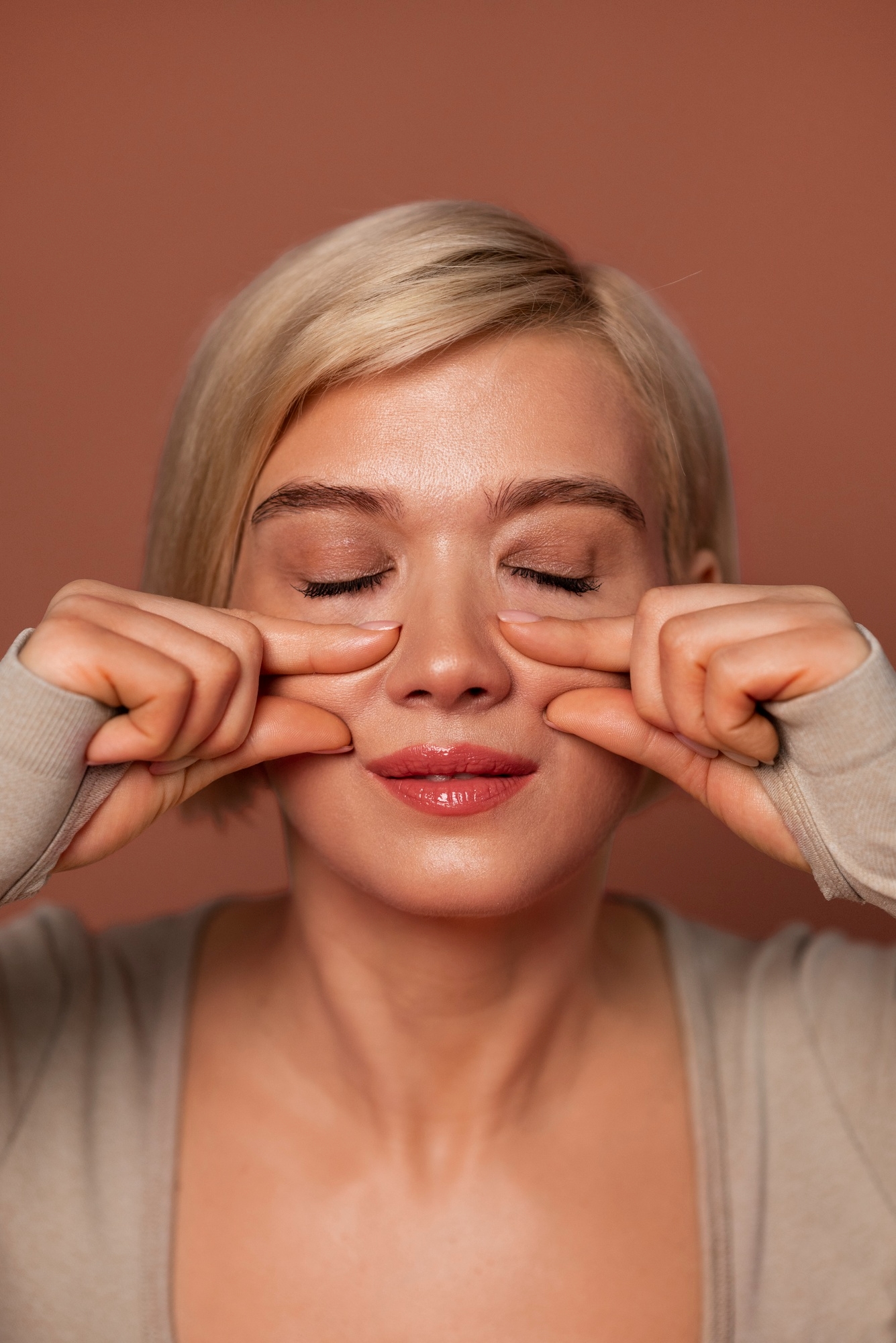
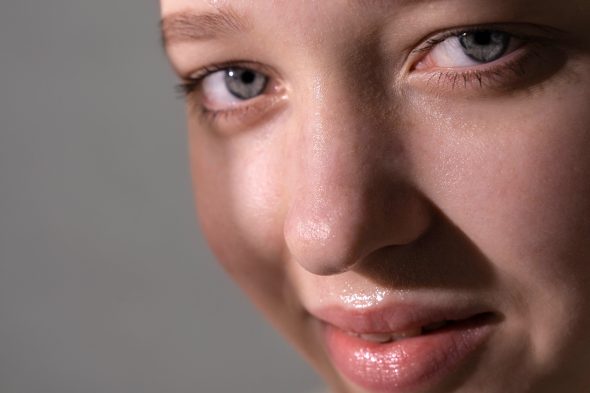
Blonde woman with eyes closed presses her fingertips into the smile-line area beside her nose on a warm brown background.

Fluid retention and muscle visibility

The orbicularis muscle underlying the skin has a dark purple and blue hue. Sleep deprivation exacerbates this and is among the most significant contributors, as inadequate rest causes blood vessels to dilate and fluid retention to increase.

Excessive salt consumption promotes fluid accumulation that worsens puffiness and discolouration. Alcohol, smoking and prolonged screen time all impair microcirculation, whilst allergies and sinus congestion create additional venous pooling. Even dehydration, stress and hormonal fluctuations can compromise the vascular network surrounding the eyes.

Genetics and skin structure

Genetic inheritance plays a substantial role in determining predisposition to purple under-eye circles. Beyond thin skin, genetics influence the overall periorbital architecture, including tear trough depth, fat pad positioning and vascular network density. Specific ethnic backgrounds and family lines show a higher prevalence of visible under-eye discolouration due to inherited anatomical features such as skin pigmentation.

Fair complexions tend to reveal underlying structures more readily than darker skin types, although purple discolouration affects individuals across all ethnic backgrounds. These inherited characteristics often manifest early in life and persist or intensify with age.

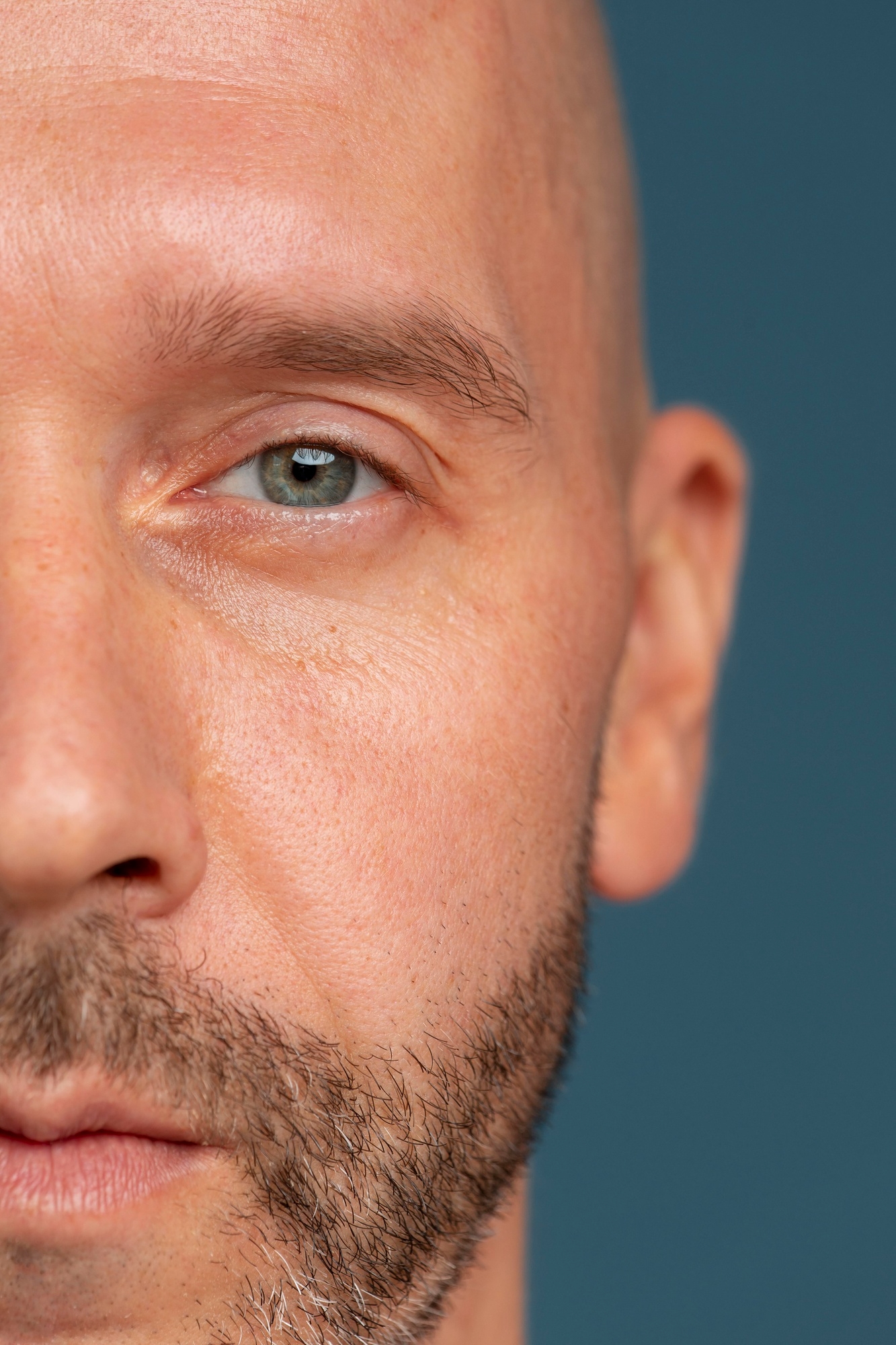
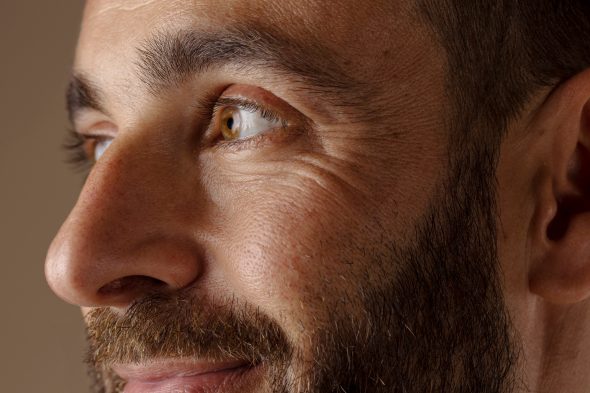
Close-up of the left side of a man’s face showing his eye, eyebrow, and skin texture against a dark teal background.

Age-related volume loss

Natural ageing brings significant changes to the under-eye region, which can create or worsen purple discolouration. As facial fat pads descend and diminish, the transition between lower eyelid and upper cheek becomes more pronounced, creating shadows that enhance purple tones. Volume depletion exposes the orbital rim more prominently, whilst loss of subcutaneous fat means less cushioning between the skin surface and underlying structures.

The resulting hollowing effect casts shadows that combine with visible blood vessels to intensify the purple appearance. Additionally, weakening supporting ligaments allows lower eyelid tissues to descend, further contributing to the shadowed, discoloured appearance.

Why Creams Alone Often Do Not Work

Many individuals invest considerable money in eye creams that promise to eliminate dark circles, only to experience disappointing results. Whilst quality topical products can support skin health through hydration and antioxidants, they cannot fundamentally address the structural and vascular factors that cause purple under-eye discolouration.

No cream can thicken genuinely thin skin, reposition descended fat pads, or meaningfully reduce visibility of deep-lying blood vessels. Caffeine may temporarily constrict vessels and reduce mild puffiness, whilst vitamin K might offer marginal improvements to microcirculation, but these effects remain superficial and transient.

When purple discolouration stems from anatomical factors beneath the skin surface, topical treatments cannot penetrate deeply enough to create lasting change.

Professional Treatments for Purple Under Eyes

Addressing purple under-eye discolouration effectively typically requires professional medical aesthetic interventions targeting underlying causes. The most successful outcomes arise from carefully matching treatment modalities to specific contributing factors.

Advanced aesthetic medicine offers several evidence-based options working at different tissue levels, each with distinct mechanisms and appropriate indications.

The Ezra Clinic Insight: At The Ezra Clinic, Profhilo is often selected for purple under-eye concerns linked to thin, fragile skin, as it strengthens the dermis and improves hydration without adding unnecessary volume to the delicate eye area.

Injectable skin boosters and mesotherapy

Injectable skin boosters and mesotherapy protocols offer targeted delivery of hydrating substances, vitamins and minerals directly into under-eye tissues. These treatments focus on nourishing skin and supporting cellular function, potentially improving microcirculation and reducing stagnant blood pooling.

Mesotherapy typically involves multiple superficial injections of customised nutrient cocktails designed to rejuvenate poorly circulating tissues. These approaches work best when purple discolouration primarily results from poor circulation and compromised skin vitality rather than significant structural volume loss. Multiple sessions are usually required to achieve noticeable results.

Eyes 2.0 Package

The Eyes 2.0 package combines three forms of under-eye rejuvenation: skin boosters, microneedling and polynucleotides. When carried out individually and independently, these treatments provide focused but limited benefits. Microneedling helps to raise collagen production, for example, while boosters deliver hydration deep into the lower and surface layers of skin and polynucleotides also help considerably to remodel and enhance connective tissue.

When combined, through Eyes 2.0, these three eyelid rejuvenation methods are more effective and work in tandem with one another. The microneedling, for example, not only improves skin quality on its own, but also creates microchannels within the skin that the polynucleotides and boosters flow through to spread their benefits on a wider level more rapidly and efficiently.

This combination of techniques, applied together in a single treatment session, is therefore more effective than each one on its own. They deliver deeper and broader benefits, tackling a plethora of common complaints around the eye area, from fine lines to wrinkles, sagging, and dryness. It is a comprehensive package of treatments to improve texture, health, hydration, and cellular repair.

Tear trough filler in selected cases

For individuals whose purple circles primarily result from volume loss and tear trough hollowing, carefully placed dermal filler can provide structural correction. By restoring volume and smoothing the transition between the lower eyelid and cheek, filler reduces shadowing and contributes to purple discolouration. However, tear trough filler requires exceptional technical skill and meticulous patient selection. Not every patient with purple circles is suitable for tear trough filler, particularly those whose discolouration stems primarily from visible vessels rather than volume depletion. The treatment carries risks including swelling, bruising and vascular complications. Comprehensive consultation with an experienced aesthetic practitioner is essential.

Close-up of a woman resting her hand against her temple, showing natural makeup and smooth skin.

Choosing the Right Treatment Approach

Successfully addressing purple under-eye discolouration requires individualised assessment rather than generic protocols. An effective strategy begins with a thorough evaluation of specific contributing factors, including skin thickness, vascular visibility, volume status and tissue quality.

Many patients benefit from combining treatments that work synergistically, such as pairing Profhilo to improve skin quality with targeted filler to restore volume. An experienced practitioner will examine your under-eye anatomy, discuss your concerns and expectations, and recommend a staged treatment plan that addresses underlying causes whilst minimising risks.

Energy-Based Treatments

Energy-based treatments, including laser, radiofrequency and ultrasound technologies, offer an effective way to improve crepey skin by stimulating collagen remodelling within the deeper layers of the skin. By delivering controlled energy, these treatments help improve tissue thickness, firmness and overall texture.

Each technology is suited to different skin areas and severity levels, which is why professional assessment is essential. Energy-based treatments are often used as part of a combination plan, particularly when both laxity and texture need to be addressed, to achieve balanced and long-lasting results.

The Ezra Clinic Insight: Combining mesotherapy with microneedling and polynucleotides in the new Eyes 2.0 treatment creates a powerful, non-surgical approach to skin rejuvenation, enhancing ingredient absorption while stimulating the skin’s natural repair and renewal processes.

Polynucleotides: Regenerative Skin Repair Beyond the Face

Polynucleotides are an emerging regenerative treatment that supports cellular repair and improves skin quality, elasticity and resilience over time. They are particularly suitable for thin, fragile or compromised skin that may not tolerate more aggressive approaches.

A key advantage of polynucleotides is their versatility, as they can be used not only on the face but also on the neck, décolletage, hands, arms and other body areas affected by crepey skin. By promoting tissue repair and reducing inflammation, they deliver gradual, natural improvements and are often combined with other treatments as part of a comprehensive plan.

Close-up beauty portrait of a woman looking at the camera with one hand on her cheek and the other resting on her forehead.

When to Seek Specialist Advice

Certain presentations of purple under-eye discolouration warrant professional medical aesthetic evaluation. If your under-eye circles have intensified noticeably, fail to respond to adequate sleep and lifestyle modifications, or significantly impact your confidence, consultation with a qualified aesthetic specialist is advisable.

The Ezra Clinic specialises in comprehensive medical aesthetic treatments for delicate periorbital concerns, offering expert evaluation and evidence-based interventions delivered by experienced practitioners. Through careful assessment, honest discussion of realistic outcomes, and access to advanced treatment modalities including Profhilo, dermal fillers and combination protocols, The Ezra Clinic helps patients achieve meaningful improvement in purple under-eye discolouration with natural-looking results and prioritised safety.

Book a consultation


Latest articles