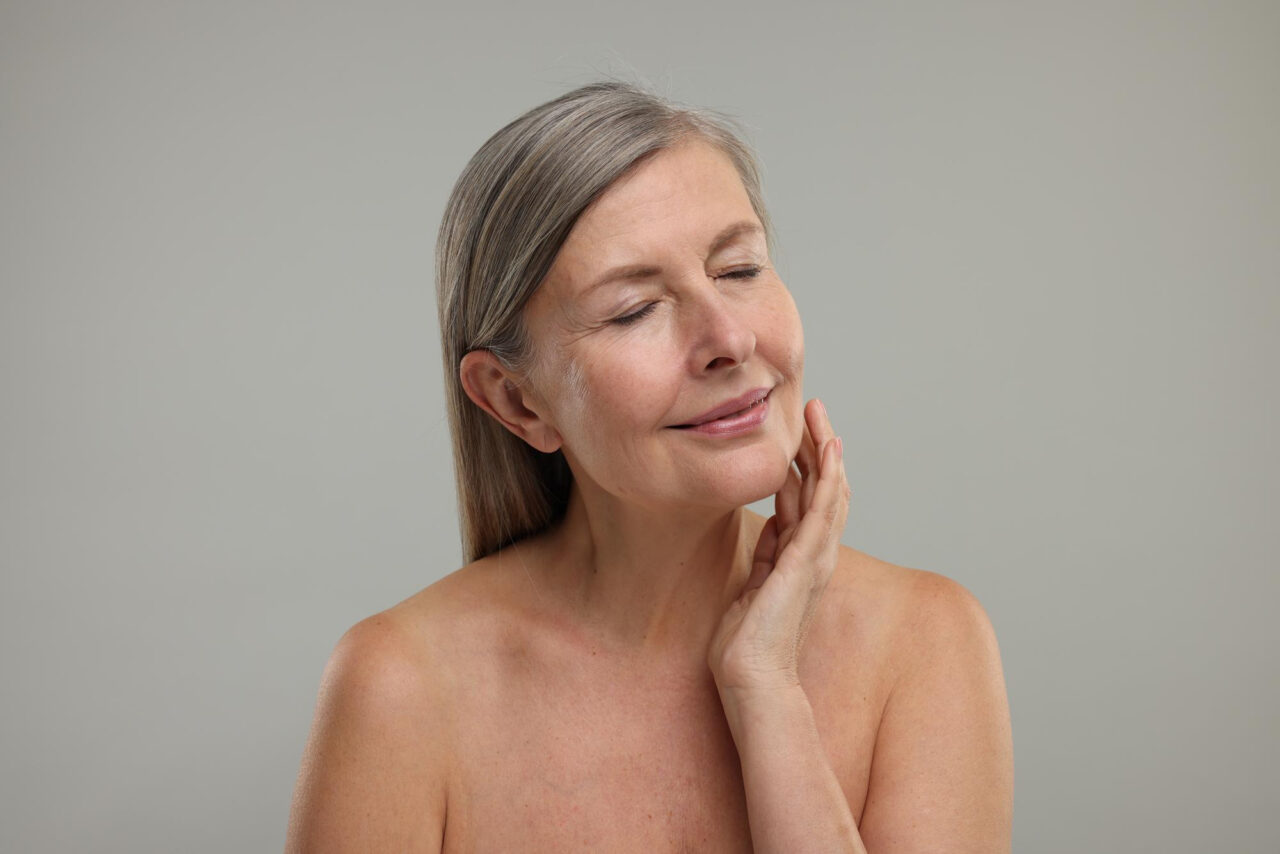
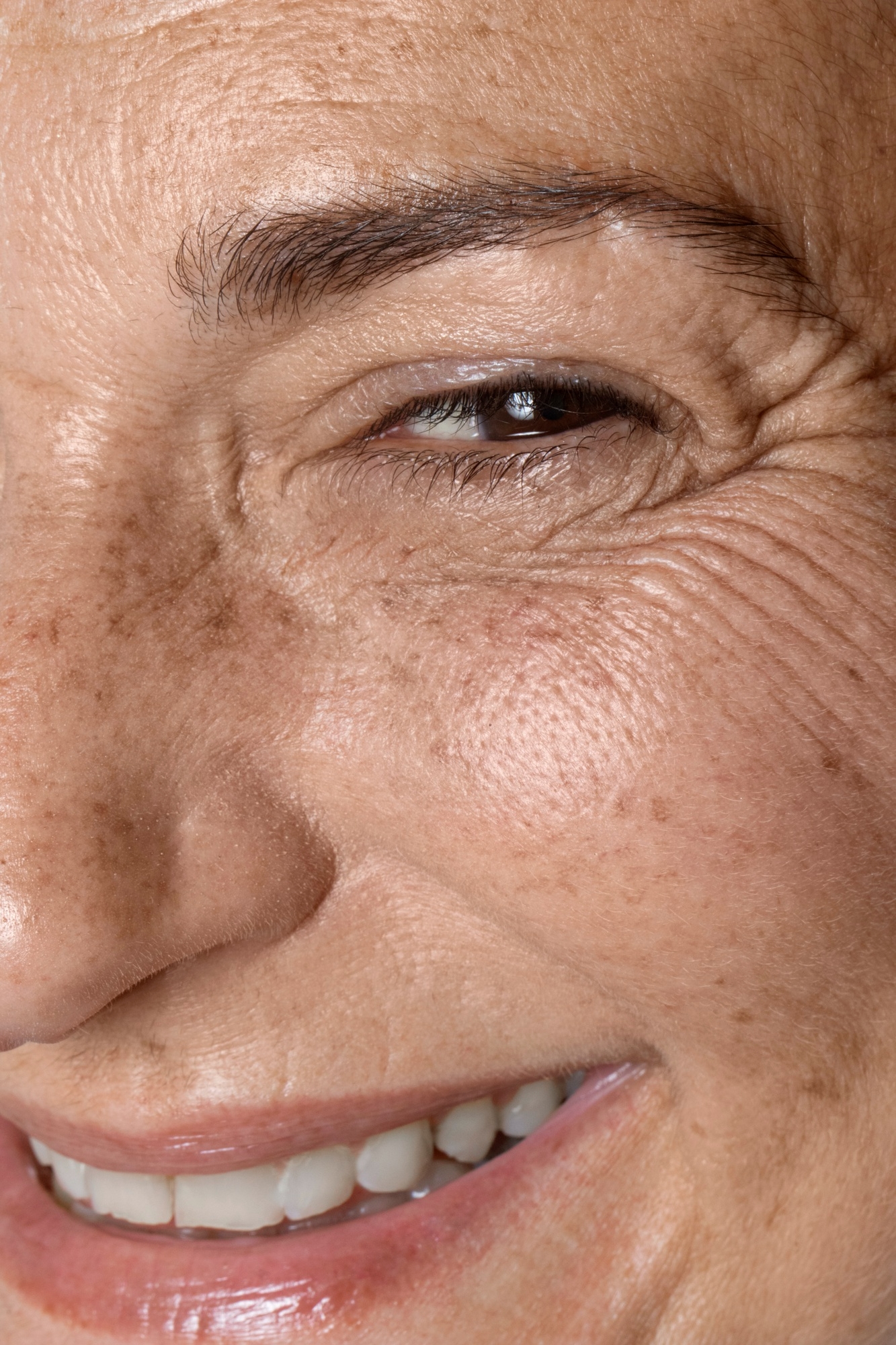
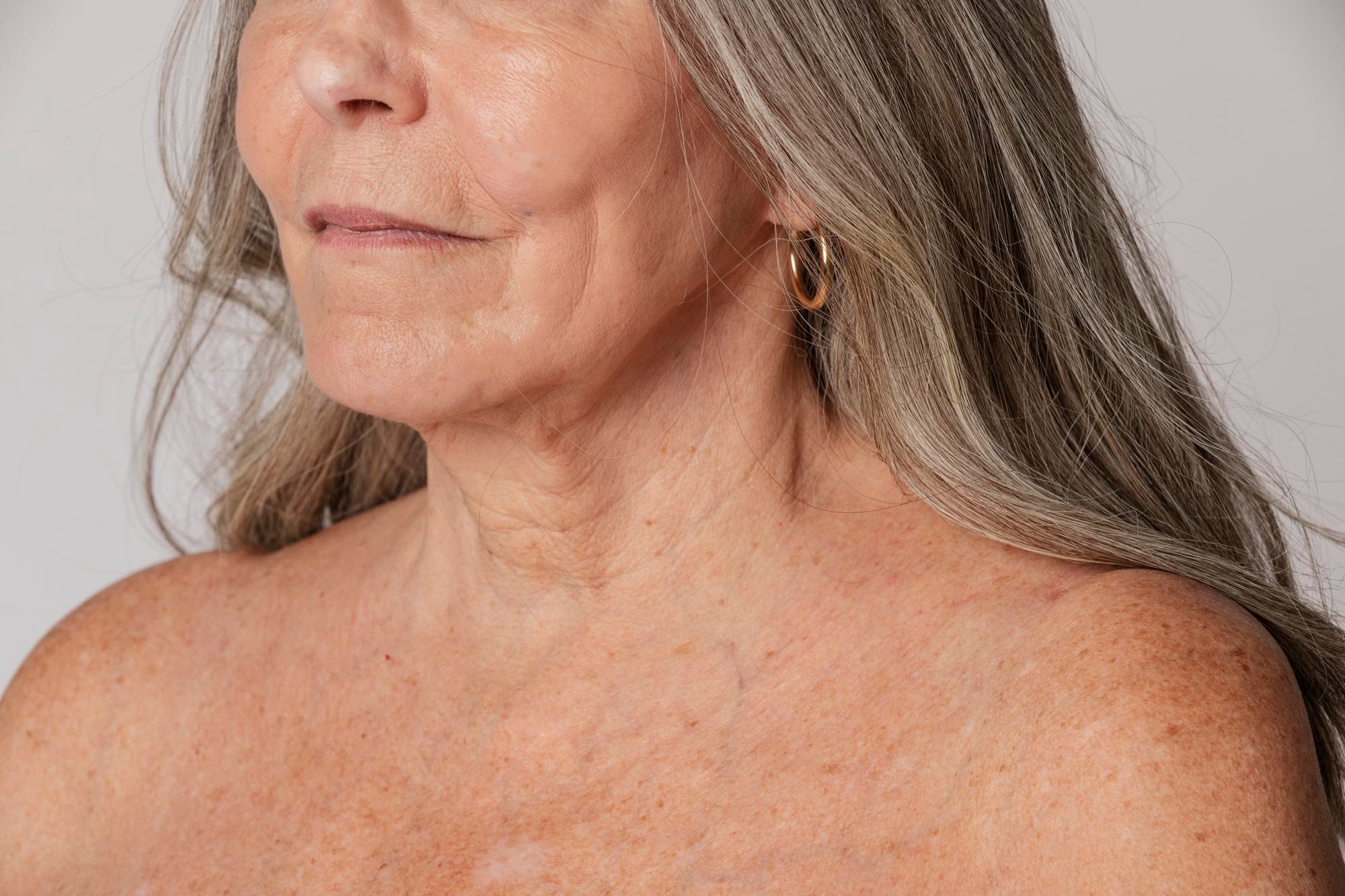
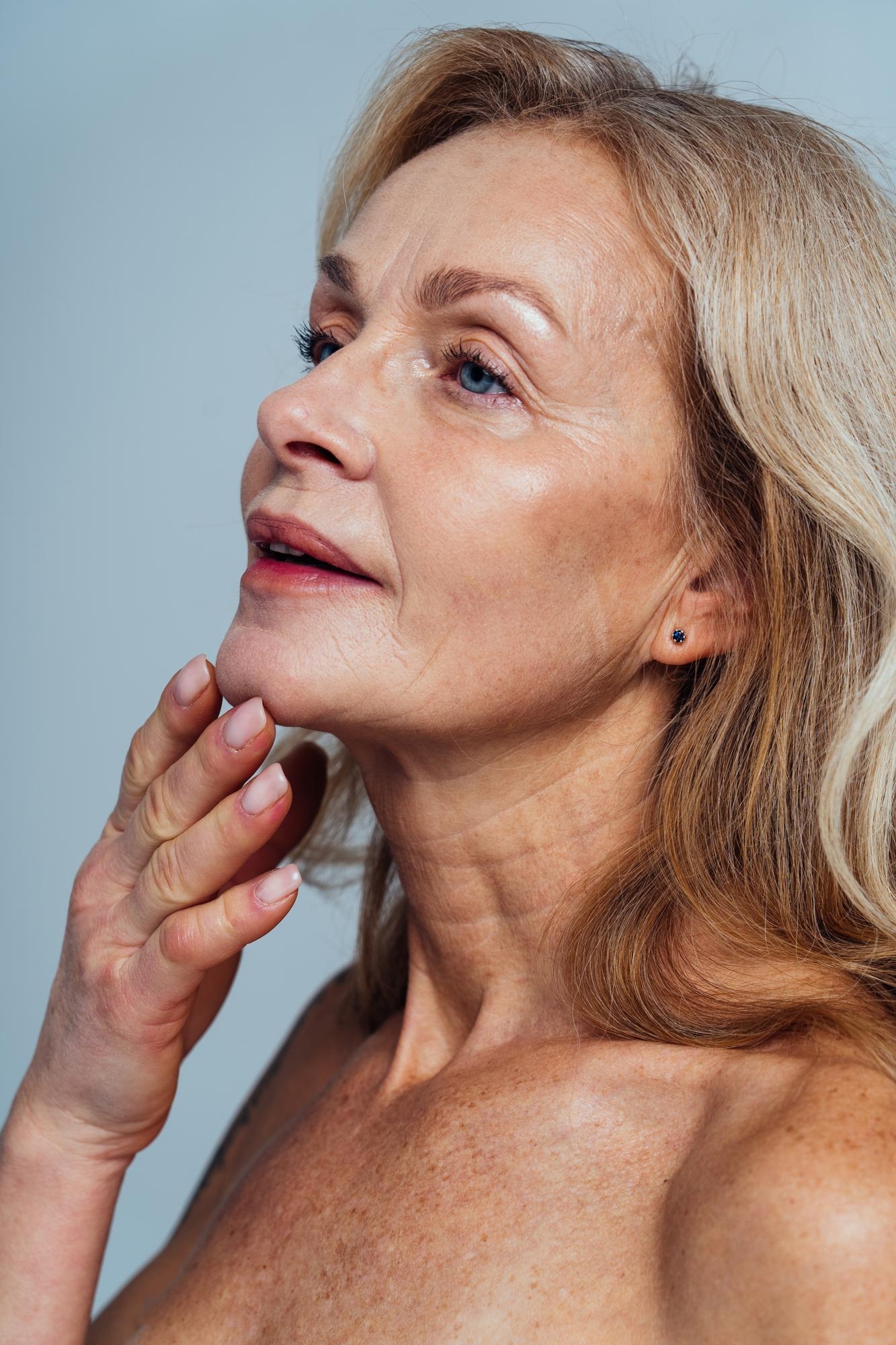
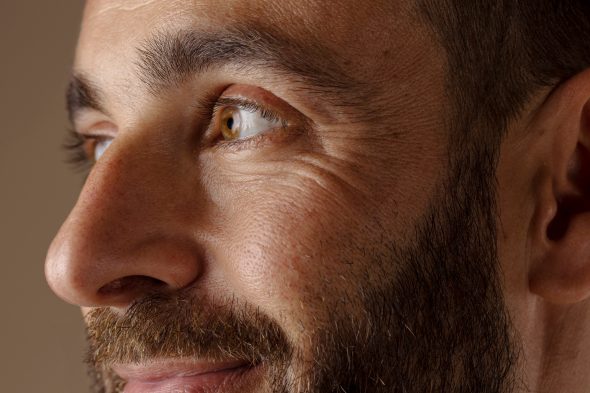
Crepey skin is a common concern that differs from typical signs of skin ageing. Rather than deep wrinkles or volume loss, it is characterised by thinning, fragility and a delicate, paper-like texture that can affect both the face and the body. It often appears unexpectedly, even in skin that otherwise looks smooth or youthful.
Because crepey skin is linked to changes in skin quality rather than surface lines alone, it requires a more targeted, regenerative approach. In this article, we explore what causes crepey skin and introduce the most effective expert-led solutions, from professional skincare and injectable skin boosters to targeted treatments designed to restore hydration, resilience and long-term skin health.
Can Crepey Skin Be Prevented?
Prevention is always more effective than correction, but it is essential to set realistic expectations. Whilst it is not possible to completely halt the ageing process or reverse long-term sun damage, early intervention and consistent care can significantly slow the progression of crepey skin and preserve skin quality for longer.
The key lies in combining protective daily habits with professional treatments that support the skin’s regenerative capacity. Prevention also enhances the longevity and effectiveness of in-clinic interventions, making them a valuable investment for anyone concerned about maintaining smooth, resilient skin as they age.
Daily Habits That Make a Difference
A comprehensive prevention strategy begins with consistent, evidence-based skincare habits. Daily use of broad-spectrum SPF is non-negotiable, as ultraviolet radiation is the single most preventable cause of premature skin ageing. Sun avoidance, protective clothing and reapplication of sunscreen throughout the day all contribute to long-term skin health.
Hydration is equally important, both from within and on the skin’s surface. Drinking adequate water, maintaining a nutrient-rich diet, and using products that support the skin barrier help preserve moisture levels and prevent the exaggeration of fine, crepey texture. When combined with professional treatments, these daily habits create a strong foundation for lasting results.
Topical Skincare for Crepey Skin
Topical skincare plays an important supporting role in managing crepey skin, particularly in terms of hydration, surface texture, and long-term skin health. However, it is essential to understand both the potential and the limitations of over-the-counter and prescription products.
Key Ingredients That Support Skin Quality
- Retinoids are among the most effective topical ingredients for addressing crepey skin. They work by stimulating collagen production, accelerating cell turnover and refining texture over time. Prescription-strength retinoids such as tretinoin are potent, though they must be introduced gradually to avoid irritation, especially in delicate areas.
- Hyaluronic acid is a humectant that draws moisture into the skin, providing immediate plumping and smoothing effects. Whilst it cannot rebuild lost collagen, it improves hydration and temporarily reduces the appearance of fine, crepey lines.
- Peptides and antioxidants offer long-term benefits by supporting skin resilience, protecting against environmental damage and promoting a more even, healthy complexion. Gentle exfoliation with alpha hydroxy acids or enzymes can also improve surface smoothness, though care must be taken not to over-exfoliate thin or fragile skin.
Limitations of Topical Products
Despite their benefits, topical products alone cannot entirely correct moderate-to-advanced crepey skin. They work primarily on the skin’s surface and uppermost layers, whereas larger structural changes in collagen, elastin, and tissue hydration drive a crepey texture. This is why professional, clinic-based treatments become necessary for those seeking more substantial and lasting improvement.
Why Combination Treatment Plans Work Best
A single factor rarely causes crepey skin, and it seldom responds optimally to a single treatment. This is why expert practitioners design individualised, multi-modal treatment plans that address hydration, collagen loss, texture and elasticity simultaneously.
Combination plans are typically staged rather than delivered all at once. A patient may begin with skin boosters to improve baseline hydration and tissue quality, followed by energy-based treatments to stimulate deeper remodelling, and then polynucleotides to support long-term regeneration. Maintenance treatments are scheduled to preserve results and adapt to ongoing changes in the skin over time.
At The Ezra Clinic, this holistic, regenerative approach is central to achieving natural, lasting improvements in facial and body skin quality. By considering the whole person – their skin type, age, lifestyle and goals – practitioners can create bespoke plans that deliver meaningful, sustainable results.
How to Find the Best Treatment for Crepey Skin
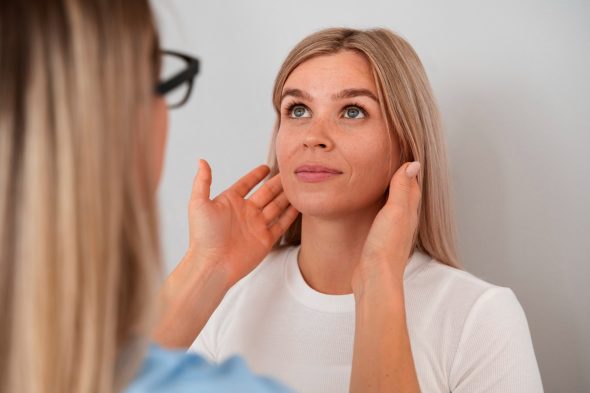
There is no one-size-fits-all solution for crepey skin. The most appropriate treatment depends on a range of factors, including skin quality, thickness, the areas affected, lifestyle and individual goals. A professional skin assessment is essential to determine the best course of action.
Early crepey skin may respond well to skin boosters and topical support, whilst moderate cases often benefit from a combination of injectables and energy-based treatments. Advanced crepey skin, particularly when accompanied by significant laxity, may require a more comprehensive, multi-stage approach that includes polynucleotides and possibly surgical options.
It is also important to focus on long-term skin health rather than quick fixes. Crepey skin develops over the years, and reversing it takes time, consistency and realistic expectations. A skilled practitioner will guide you through timelines, potential outcomes and maintenance strategies, ensuring that your treatment plan is not only practical but also sustainable.