Spotting the Subtle Signs of Ageing Before They Progress

Daniel Ezra, 19 May 2026

Ageing is not a sudden transformation. It is a gradual process that unfolds quietly over time, with changes so incremental that they are easy to dismiss or overlook altogether. A slight loss of radiance here, a faint line there, individually, these shifts can seem minor. Collectively, however, they signal that the skin is beginning to change in ways that, if left unaddressed, will become progressively more noticeable.

Most people only become aware of ageing when it has already advanced to a stage where changes are clearly visible. By that point, the skin has already undergone significant structural and surface-level shifts. The good news is that recognising the earliest signs of ageing, long before they become pronounced, puts you in the best possible position to address them effectively, and with far less intervention than would later be required.

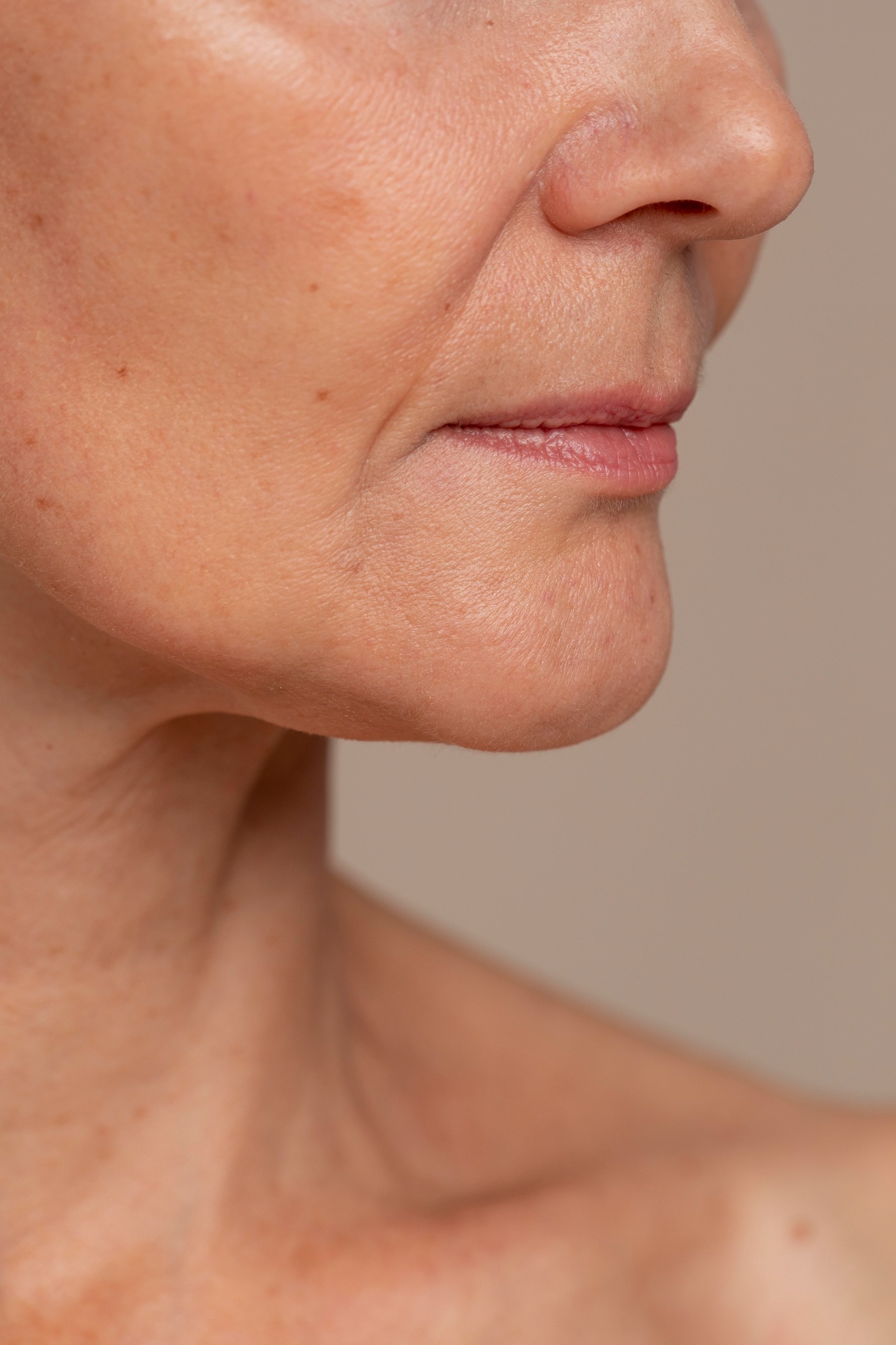
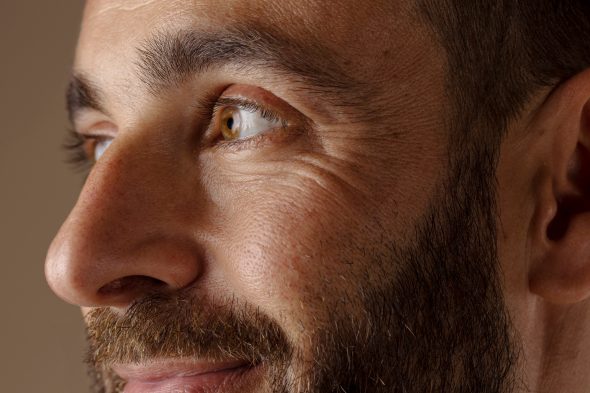
Close-up side profile of mature skin showing natural texture, fine lines, lips, and jawline against a neutral background.

What Are the First Signs of Ageing?

The first signs of ageing can be divided into two broad categories: structural changes, which affect the skin’s underlying architecture, and surface-level changes, which alter its appearance and texture. Both are driven by the same core biological processes.

From around the mid-twenties onwards, the skin begins to produce less collagen and elastin, the proteins responsible for firmness and elasticity. Cell turnover, the process by which the skin sheds old cells and replaces them with new ones, also slows down. At the same time, the skin becomes less efficient at retaining moisture, leading to reduced hydration levels.

It is important to note that these changes do not occur in isolation. Multiple factors are at work simultaneously, and their combined effect is what produces the visible signs of ageing. Understanding this helps explain why a comprehensive, multi-faceted approach to treatment and prevention is almost always more effective than addressing any single concern in isolation.

Subtle Signs of Ageing You Might Overlook

Fine Lines That Appear Only in Certain Lighting

One of the earliest signs of ageing is the appearance of fine lines that are only visible under direct or angled lighting. These are known as dynamic lines, and they form initially in response to repeated facial expressions, such as squinting, smiling, and frowning. At first, they disappear when the face is at rest. Over time, however, they begin to settle permanently into the skin. The area around the eyes is typically where these lines appear first, given the delicacy and constant movement of the surrounding skin.

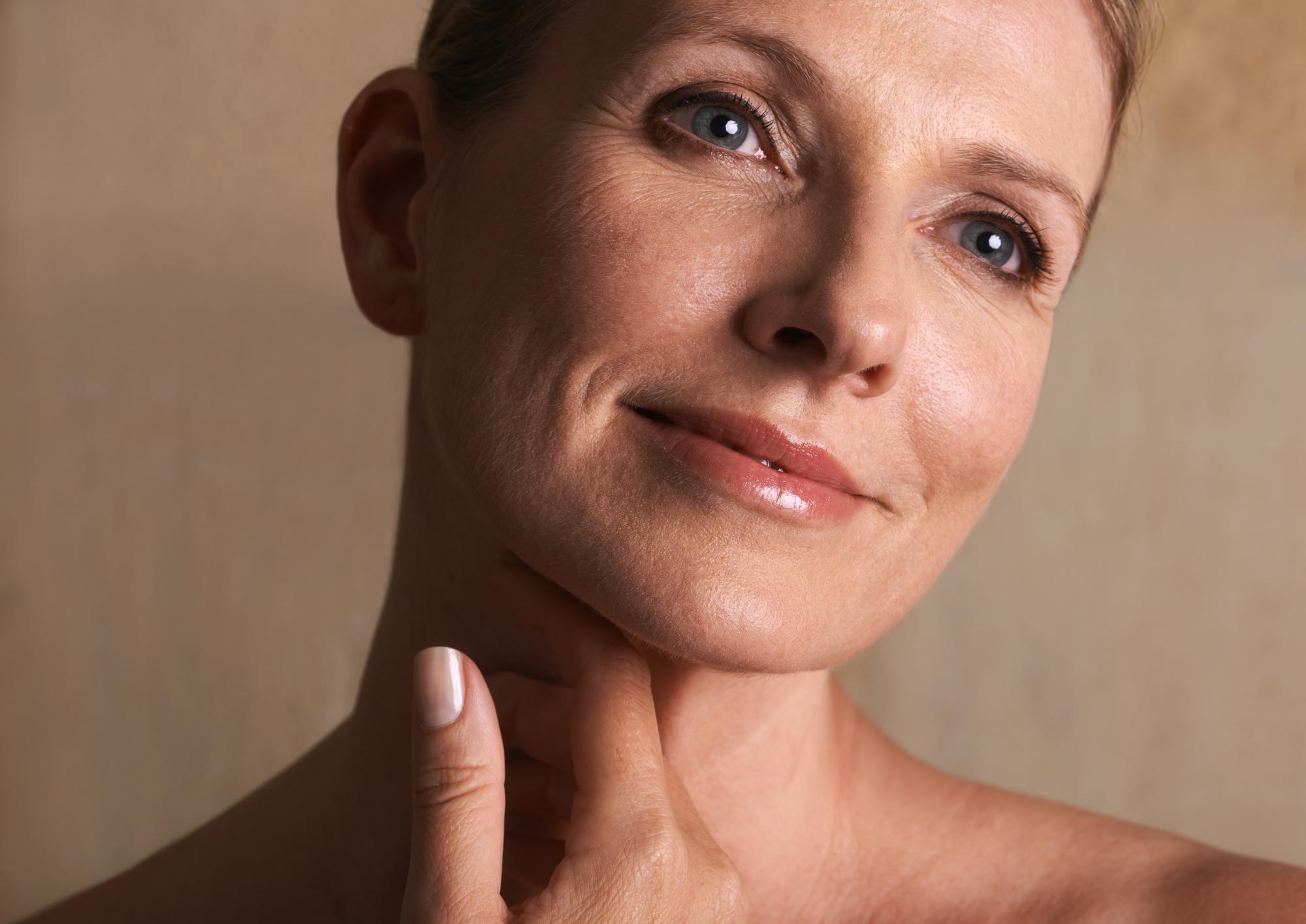
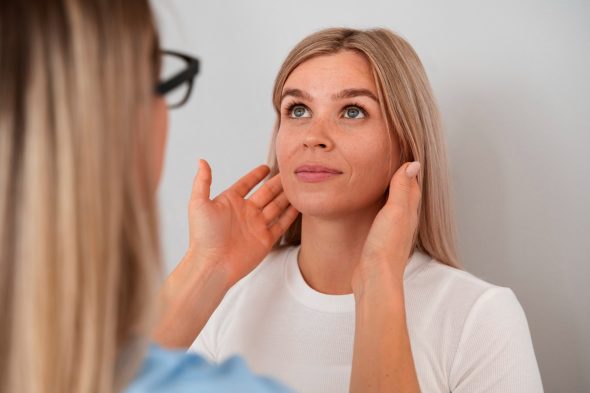
Close-up skincare portrait of a mature woman gently touching her neck, with soft light emphasizing natural skin texture.

Loss of Skin Glow and Even Tone

Healthy, youthful skin has a natural luminosity. When the skin renewal cycle slows, dead skin cells accumulate on the surface longer than they should, resulting in a dull, uneven complexion. Pigmentation can also begin to develop unevenly, with areas of the face appearing slightly darker or more discoloured than others. This loss of glow is often attributed to tiredness or stress, yet it frequently reflects a deeper shift in how the skin functions.

Early Skin Laxity and Softness Changes

Before sagging becomes visible, there is a subtler change in the way the skin feels and responds. A slight softening of the tissue, a loss of the firmness that once characterised it, is often one of the first structural signs of ageing. This is most commonly noticed in the under-eye area and along the jawline, where the skin may feel marginally less taut than it once did. It is a delicate change, and one that is easy to overlook without knowing what to look for.

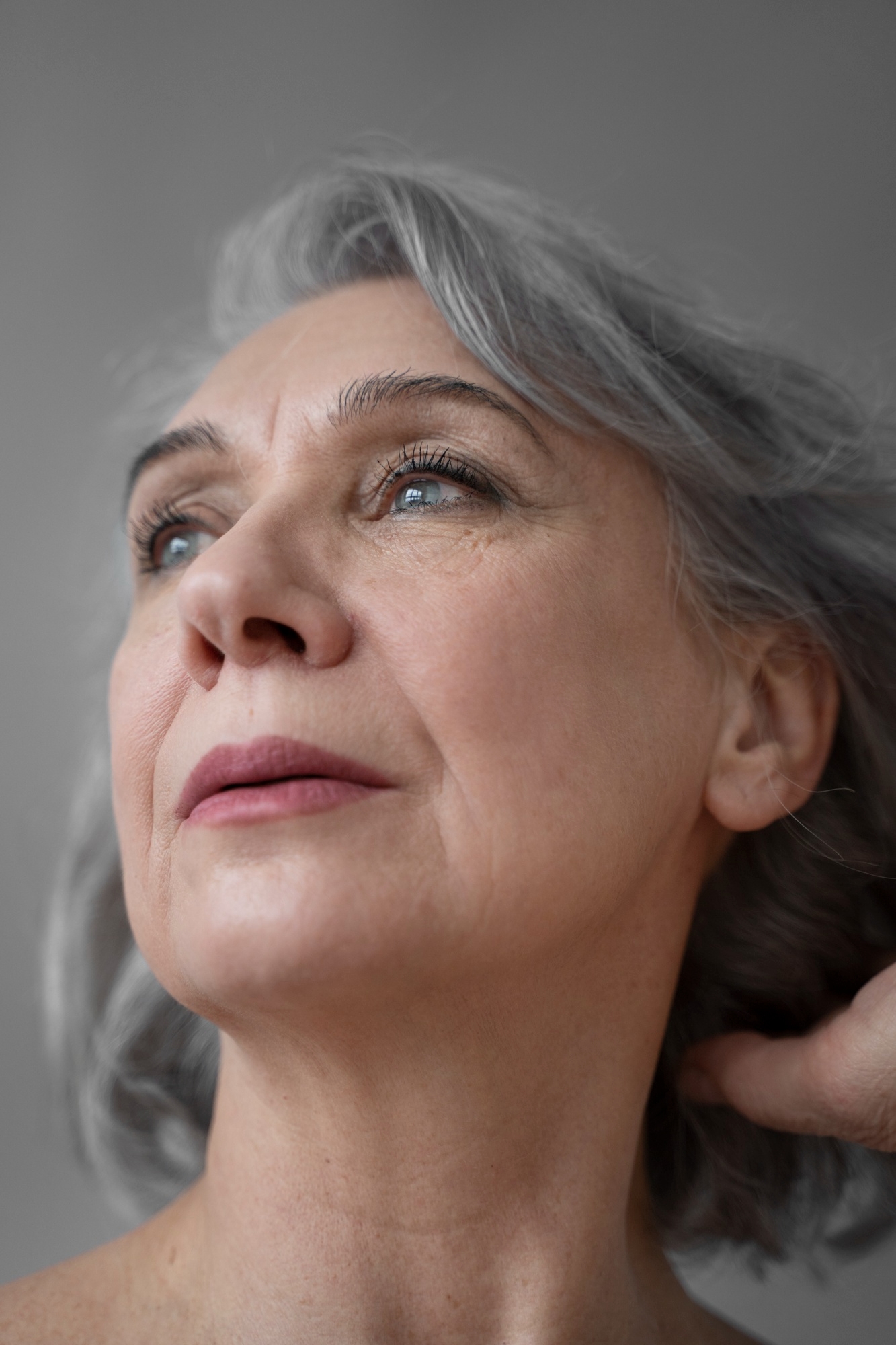
Mature beauty portrait of a woman with gray hair looking upward, highlighting natural skin texture and soft facial lines.

Subtle Volume Loss Around the Eyes and Cheeks

Facial volume loss begins far earlier than most people realise. In the early stages, it manifests not as visible hollowing but as a mild flattening or softening of the contours around the eyes and cheeks. The face may begin to look slightly less refreshed, or carry a perpetually tired quality that is difficult to pinpoint. This subtle redistribution of facial fat is a natural part of the ageing process, but recognising it early makes it far easier to address.

Persistent Under-Eye Shadows or Puffiness

Dark circles and puffiness beneath the eyes are frequently dismissed as the result of poor sleep or dehydration. While these factors can certainly contribute, persistent under-eye shadows and swelling are also linked to structural changes in the skin and the tissue beneath it. As the skin under the eye thins and the supporting structures shift, shadows can become more prominent and puffiness harder to reduce. These are early signs worth taking seriously, rather than simply masking with concealer.

Crepey or Thinner-Looking Skin

A finely textured, almost papery quality to the skin, often described as crepey, is a sign that elasticity and resilience are beginning to diminish. This is most commonly observed on the neck, the under-eye area, and the arms. The skin may appear thinner than it once did and may show fine surface wrinkling even when at rest. These changes are driven primarily by the reduction in elastin and collagen, compounded by cumulative sun exposure over time.

Why These Changes Happen (The Science Behind Ageing)

The biology of ageing is complex, but understanding the key drivers helps to make sense of the changes you may be noticing in your skin. Collagen production declines steadily with age, reducing the skin’s structural support and leading to a gradual loss of firmness. The fat pads that give the face its youthful volume and contour also shift and diminish over time, altering the face’s shape in subtle but meaningful ways. Meanwhile, the skin itself becomes thinner, making it more susceptible to fine lines and textural changes.

External factors accelerate these processes considerably. Ultraviolet exposure is among the most significant contributors to premature skin ageing, breaking down collagen and disrupting pigmentation. Chronic stress, a poor diet, inadequate hydration, and disrupted sleep all place additional strain on the skin’s natural repair mechanisms. The result is that ageing is rarely the product of biology alone; it is the cumulative outcome of genetics, environment, and lifestyle working together.

When to Act: Why Early Intervention Matters

There is a significant advantage to addressing the signs of ageing early. When changes are still subtle, the treatments required to correct them are similarly subtle, less intensive, less invasive, and more likely to produce results that look entirely natural. A preventative approach focuses not on reversing damage that has already become advanced, but on slowing the progression of change and maintaining the skin’s health over time.

Waiting until lines, laxity, or volume loss are clearly visible means working against a greater degree of change, which often requires more significant intervention to achieve the same result. Acting earlier allows for a lighter touch and supports the kind of gradual, consistent improvement that looks entirely like your own skin, simply at its best.

Treatment Options to Address Early Signs of Ageing

Profhilo

Profhilo is a highly purified hyaluronic acid treatment that delivers deep hydration at a cellular level. Unlike traditional fillers, it spreads throughout the skin to improve overall quality, boost elasticity, and stimulate collagen and elastin production. It is particularly well-suited to those in the early stages of ageing who wish to improve skin texture, radiance, and resilience without altering facial volume or structure.

Polynucleotides

Polynucleotide treatments work by supporting the skin’s natural regeneration and repair processes at a biological level. They are particularly effective in delicate areas such as under the eyes, where the skin is thin and vulnerable to early signs of ageing. By improving hydration, texture, and resilience, polynucleotides offer a gentle yet meaningful enhancement in skin quality that builds over time.

Skin Boosters

Skin booster treatments deliver hydrating and nourishing ingredients directly into the skin, enhancing moisture levels, smoothness, and overall quality. The results are subtle and natural-looking, making them an excellent option for those seeking a refreshed appearance without dramatic change.

Laser and Light-Based Treatments

Laser and light-based treatments are highly effective for addressing uneven pigmentation, sun damage, and early textural changes. By targeting the skin’s surface and deeper layers, these treatments support a smoother, more refined complexion and can significantly improve the skin’s overall tone and clarity.


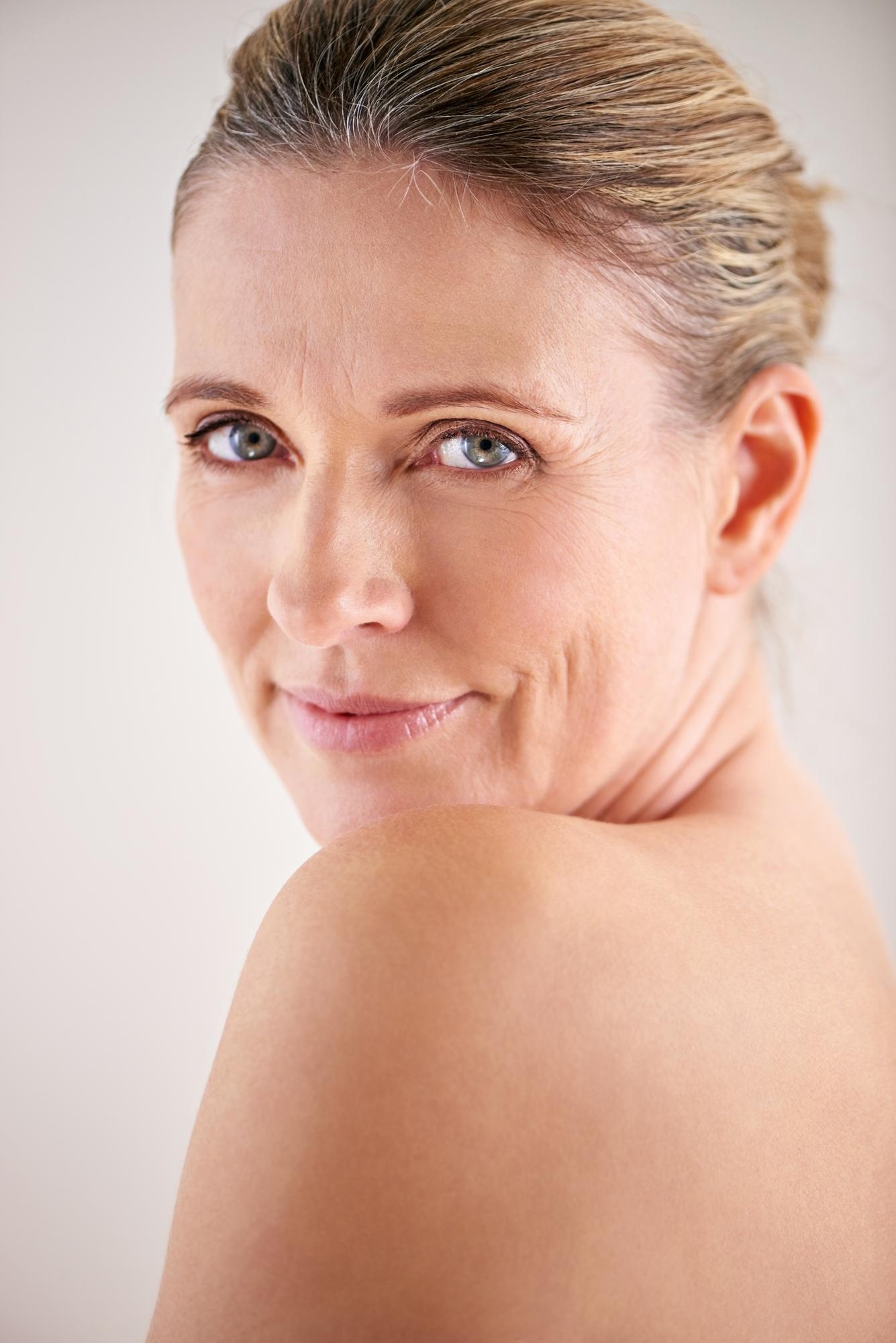
Mature beauty portrait of a smiling woman looking over her shoulder with smooth skin and subtle facial lines.

How to Slow Down the Ageing Process

Daily Skincare That Supports Skin Health

A consistent, well-considered daily skincare routine is one of the most powerful tools available for slowing the visible signs of ageing. Sun protection is non-negotiable; broad-spectrum SPF applied every morning significantly reduces cumulative UV damage, which is among the leading causes of premature skin ageing. Retinoids, applied in the evening, support cell turnover and stimulate collagen production over time. Antioxidant-rich serums offer an additional layer of protection against environmental damage, helping neutralise free radicals before they can accelerate cellular ageing.

Lifestyle Factors That Make a Difference

Beyond skincare, lifestyle choices have a profound impact on the rate at which the skin ages. Quality sleep allows the body to carry out essential repair processes overnight, and consistently poor sleep accelerates the visible signs of ageing. A balanced, nutrient-rich diet provides the building blocks the skin needs to maintain its structure and function. Proper hydration keeps the skin plump and resilient, while effective stress management reduces the inflammatory processes that can break down collagen and compromise the skin’s barrier function.

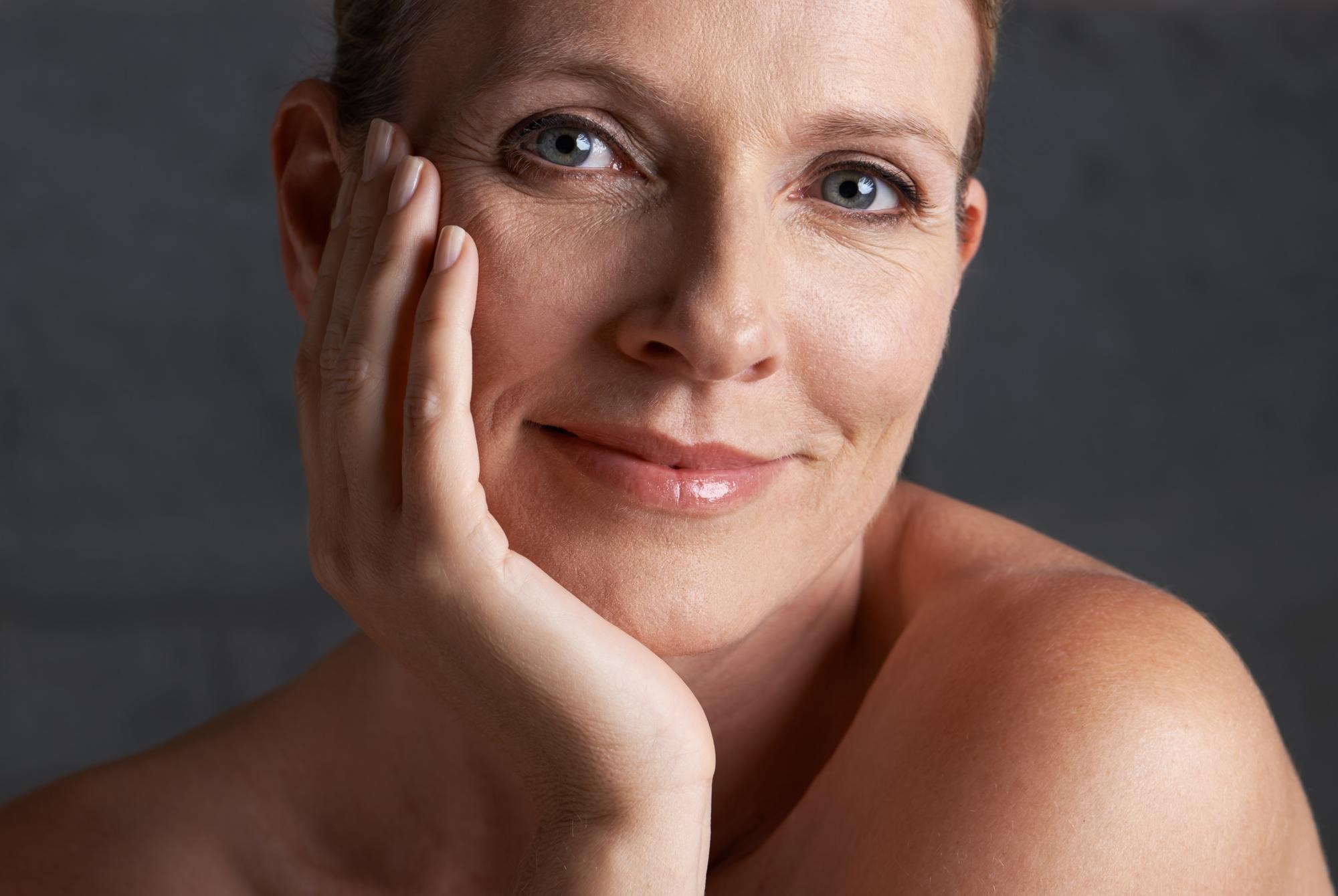
Mature beauty portrait of a smiling woman resting her face on her hand, showing natural skin texture and a soft expression.

A Preventive Approach at The Ezra Clinic

At The Ezra Clinic, the philosophy is one of natural-looking, preventative aesthetics. Rather than pursuing dramatic transformations, the focus is on subtle enhancements that support the skin’s health and maintain its appearance over the long term. Treatment plans are tailored to each individual, taking into account their specific concerns, skin type, and goals.

By combining clinically proven treatments in a considered, personalised way, The Ezra Clinic helps patients stay ahead of the ageing process, looking consistently refreshed and well, without ever looking as though they have had work done. If you have begun to notice the early signs of ageing, the most effective step you can take is to seek expert guidance sooner rather than later.


Latest articles

Contact us

If you are interested in any of the treatments we offer, or require any clarifications, we would love to hear from you. We deal with all issues relating to the Harley Street and Moorfields practices. You can reach us by phone, by email or by filling out the contact form below.

This field is for validation purposes and should be left unchanged.
This field is hidden when viewing the form
Please tell us how you heard about us