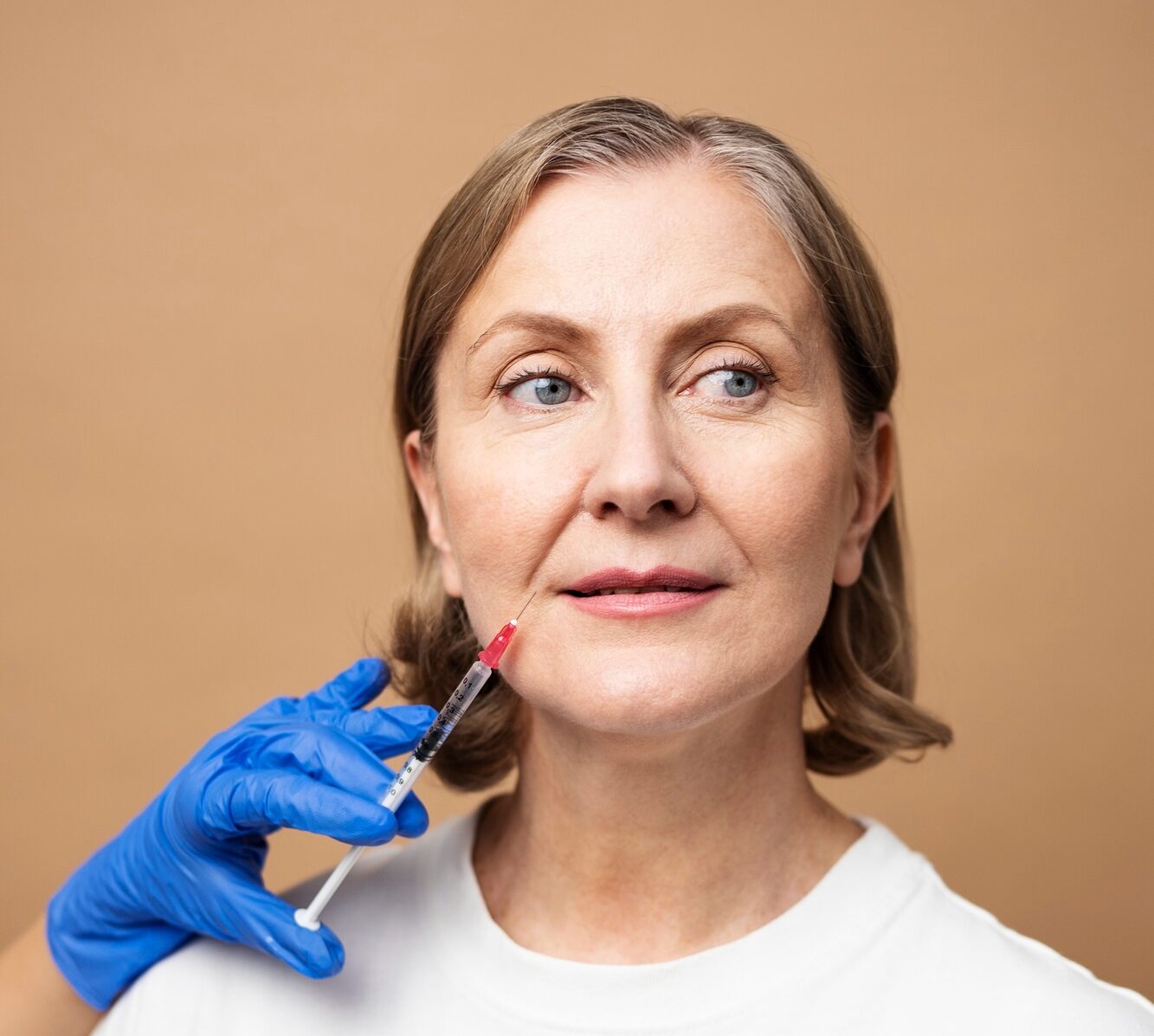
When dermal fillers are meant to restore volume and smooth fine lines, the last thing anyone expects is an unexpected bluish tint beneath the skin. Yet for some patients, this peculiar discolouration appears after treatment, causing understandable concern. The good news is that this phenomenon, known as the Tyndall effect, is well understood, entirely treatable, and often preventable with the right approach. This guide explores why it happens, how to recognise it, and what can be done to resolve it effectively.
A Surprising Blue Tint: What You Are Really Seeing
Spotting an unexpected blue hue after filler can feel genuinely alarming. You have invested in a treatment to enhance your appearance, only to notice a shadow or discolouration that was not there before. It is natural to wonder whether something has gone wrong.
The reassuring truth is that this is a known, treatable phenomenon with well-established solutions. The Tyndall effect is not a sign of danger, but rather an indication that filler has been placed too superficially, and most likely in too large a quantity, beneath the skin. What follows in this guide will cover why it happens, how to recognise it accurately, and what steps can be taken to correct it. Understanding the science behind the discolouration, knowing which areas are most at risk, and learning about effective treatments will help you navigate this situation with confidence.
The Science in Simple Words: What the Tyndall Effect Actually Is
Imagine sunlight passing through the atmosphere. The sky appears blue not because the air itself is blue, but because shorter blue wavelengths of light scatter more than longer red wavelengths. This same principle applies when hyaluronic acid (HA) filler sits too close to the skin surface.
When filler is placed in the superficial dermis rather than deeper layers, light interacts with the gel in a way that scatters blue wavelengths back towards the observer. The result is a bluish or greyish tint that becomes visible through the skin. It is a purely optical effect, much like the blue sky overhead, but in this case, it is occurring beneath your skin rather than above your head.
HA fillers are the most common culprits, largely because they are the most widely used dermal fillers in aesthetic medicine. When injected at the correct depth (typically in the deeper dermis or subcutaneous tissue), they integrate beautifully and create natural-looking results. However, if the filler migrates upwards or is inadvertently placed too superficially, the Tyndall effect can emerge. It is not the filler itself that is problematic, but rather its position relative to the skin’s surface.

High-Risk Areas to Approach with Caution
Some regions of the face are more prone to the Tyndall effect because of their naturally thinner skin or because treatments often involve superficial injections. These include:
- Areas with thin skin, especially the tear troughs
- Perioral lines, where superficial placement is common
- Nasolabial folds, which can still develop the effect if the filler depth is incorrect
- Ageing or compromised skin quality, which increases visibility
- The importance of a proper facial assessment to avoid superficial placement and minimise risk
As skin ages and loses collagen and elasticity, it becomes thinner and more translucent. This natural reduction in skin quality heightens the risk of the Tyndall effect, as there is less tissue to conceal superficially placed filler. This is why a proper facial assessment is so crucial before any filler treatment. An experienced practitioner will evaluate skin thickness, tissue laxity, and anatomical nuances to determine the safest and most effective injection depth for each individual.
How to Tell if You Actually Have the Tyndall Effect After Filler
The distinctive signs of the Tyndall effect are: The discolouration typically presents as a cool-toned blue or grey shade, often with a slightly translucent quality. Unlike bruising, which tends to be warmer in tone and evolves through shades of purple, green, and yellow as it heals, the Tyndall effect remains persistently blue or grey. It does not fade in the same way that a bruise would.
It is also essential to distinguish the Tyndall effect from other common post-treatment reactions. Typical bruising, swelling, or temporary discolouration can all occur after injection procedures, but these resolve naturally within days to a couple of weeks. The Tyndall effect, by contrast, does not improve on its own and requires active intervention.
The timing of onset can vary. In some cases, the blue tint is noticeable immediately after treatment. In others, it may become apparent days or even weeks later, particularly if filler migrates superficially over time or if swelling subsides, revealing the underlying discolouration. If you notice a persistent blue hue that does not behave like a bruise, it is worth seeking a professional assessment.

How to Treat Tyndall Effect
Once the Tyndall effect has been identified, the next step is addressing it effectively. Fortunately, there are established treatment options that can resolve the discolouration and restore a natural appearance. The approach will depend on the severity of the effect, the area affected, and how soon the issue is recognised.

Hyaluronidase Dissolving
Hyaluronidase is the gold-standard solution for correcting the Tyndall effect caused by HA fillers. This enzyme breaks down hyaluronic acid, effectively dissolving the filler and allowing the body to metabolise it naturally. The treatment is highly effective, with results often visible within 24 hours. In many cases, the blue tint begins to fade almost immediately after the enzyme is administered.
When performed by a trained and experienced practitioner, hyaluronidase is usually a safe and predictable treatment. However, we emphasise that some patients can develop adverse outcomes from filler dissolution, and the risks of this will be discussed with you. The enzyme is injected directly into the area where the filler is sitting too superficially, and the breakdown process begins rapidly. Patients may experience temporary swelling or mild discomfort, but these side effects are usually short-lived. The relief of seeing the blue hue disappear is typically well worth any minor, transient discomfort.
Specialist Assessment
When the Tyndall effect appears, a specialist assessment is essential. An experienced injector can determine the depth of the filler, identify the type of product used, and recommend the most appropriate next steps. This evaluation is crucial for avoiding further complications and ensuring that any corrective treatment is tailored to the individual case.
Advanced diagnostic tools, such as facial ultrasound and MRI Scanning, can be invaluable in these situations. Ultrasound imaging allows practitioners to visualise the exact location and depth of the filler, which informs the treatment plan. Techniques like Topilase, a refined approach to hyaluronidase treatment, and microneedling may also be considered in specific cases. You can learn more about these advanced options through filler dissolving services offered by specialist clinics.

How to Fix Tyndall Effect Under Eyes
The under-eye area deserves special attention due to its delicate nature and the frequency with which the Tyndall effect appears in the tear troughs. Consulting an experienced injector is particularly important here, as the region’s sensitivity demands precision and expertise.
The first step is a thorough assessment of filler depth, any migration that may have occurred, and the type of product present under the eye. Hyaluronidase remains the primary method for dissolving superficial under-eye filler. Patients can expect temporary swelling following the treatment, but the blue hue typically improves quickly, often within a day.
In some cases, if the issue is caught very early, a gentle massage may be explicitly advised for the tear trough. However, this is the exception rather than the rule and should only be attempted under direct practitioner guidance. Facial ultrasound is increasingly used to visualise under-eye filler placement before it is dissolved, providing a clear picture of what needs to be addressed.
Once the Tyndall effect is fully resolved, guidance will be provided on when it is safe to refill the tear trough, if desired. Patience is key, as the tissue needs time to recover fully before any new treatment is considered.
The Aesthetic Practitioner’s Responsibility
Preventing and managing the Tyndall effect are fundamentally the responsibility of practitioners. Key duties include prevention through proper technique, early recognition of complications, effective management when issues arise, and clear communication with patients throughout the process. An injector’s ongoing education and investment in modern technologies play a vital role in delivering safe, high-quality care.
Facial ultrasound has emerged as a leading tool for safe practice. Ultrasound-guided injections allow practitioners to see precisely where they are placing filler in real time, helping to avoid superficial placement and other complications. This technology, combined with a deep understanding of facial anatomy, significantly reduces the risk of the Tyndall effect and other adverse outcomes.
Choosing a highly qualified, well-equipped clinic is essential for safe and predictable filler outcomes. The difference between routine treatment and a complication often comes down to the practitioner’s skill, experience, and resources.
Choose Expert Care at The Ezra Clinic
Expert assessment and technique matter profoundly in preventing the Tyndall effect. The Ezra Clinic offers specialised experience in treating delicate facial areas, with an advanced understanding of anatomy and complication management. Precision filler placement ensures safer, more predictable outcomes, while trusted, expert-led care supports both correction and future treatment planning. When it comes to your face, choosing a clinic with proven expertise is not just advisable, it is essential.
FAQ
Is the Tyndall Effect Dangerous?
The Tyndall effect is not harmful in itself. It does not pose a health risk, but it indicates that the filler has been placed incorrectly, too close to the skin surface. This incorrect placement may require correction to restore a natural appearance and prevent any long-term aesthetic concerns.
How Quickly Does Dissolving Work?
Results from hyaluronidase treatment are often visible within 24 hours. Many patients notice the blue hue beginning to fade almost immediately after the enzyme is administered, with continued improvement over the following days.
Does the Tyndall Effect Go Away on Its Own?
Rarely. In the vast majority of cases, the Tyndall effect cannot be resolved without intervention. Hyaluronidase dissolving is typically required for proper correction, as the filler will remain in the superficial tissue unless actively broken down.