



Understanding Malar Oedema Treatment and Why It’s So Complex

Daniel Ezra, 21 April 2026

Swelling in the midface area can be particularly confusing for patients because several different conditions can present with remarkably similar appearances. The delicate anatomy of the lower eyelid and cheek region means that even subtle changes can create visible concerns that affect both appearance and confidence.

Malar oedema is one of the most complex concerns around the lower eyelid and cheek area, requiring careful assessment and a nuanced approach to management. It is often mistaken for malar bags or festoons, yet the underlying cause is fundamentally different, so treatments effective for one condition may be ineffective or even harmful for another.
In this article, we explain what malar oedema is, why malar oedema treatment can be challenging, and how specialists approach this delicate condition.

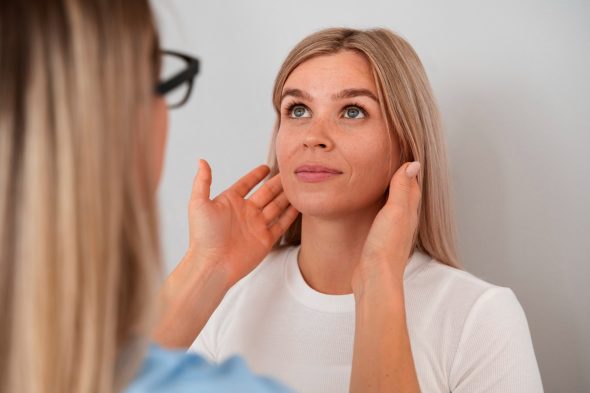
Side profile portrait of a blonde woman with eyes closed touching her neck against a light gray background.

What Is Malar Oedema?

Malar oedema refers to fluid accumulation in the malar region of the midface, creating a characteristic appearance that can be distressing for those who experience it. It appears as persistent swelling beneath the lower eyelid, typically extending across the upper cheek, creating a puffy or heavy appearance.

Many patients notice that the swelling is often worse in the morning, immediately after waking, before gradually improving as the day progresses. The condition can fluctuate throughout the day depending on factors such as salt intake, sleep position, and overall hydration status.

The swelling is related to lymphatic drainage and anatomical structures in the periorbital region, particularly the way fluid moves through the delicate tissues surrounding the eye. It is important to clarify that malar oedema is not always caused solely by ageing, although age-related changes in supporting structures can contribute to its development.

Younger patients can also experience this condition, particularly if anatomical predispositions or prior aesthetic treatments have disrupted normal tissue function.
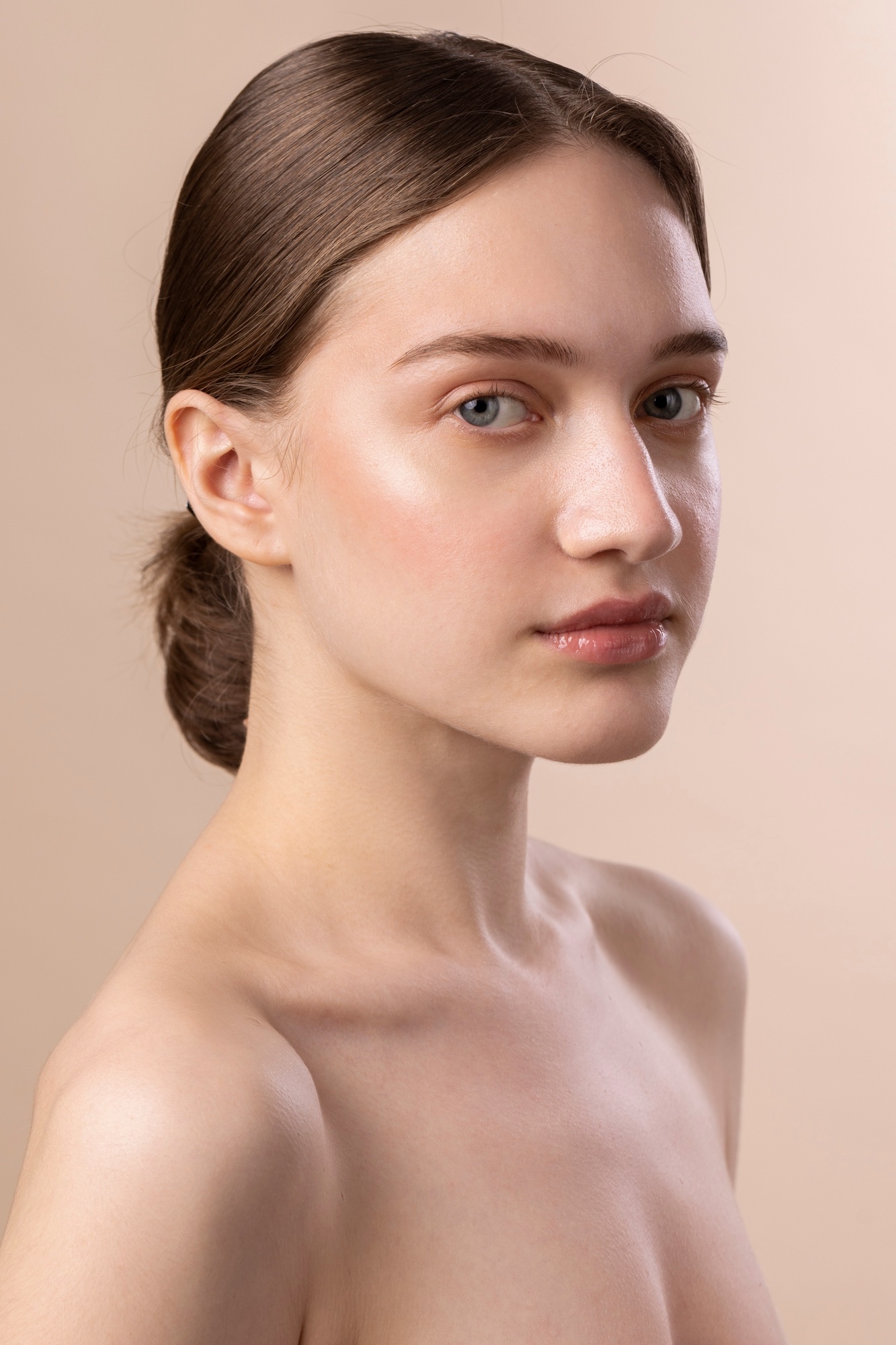
Front portrait of a brunette woman with minimal makeup and bare shoulders against a soft beige background.

Why Malar Oedema Is So Difficult to Treat

Treatment of malar oedema is complex for several interconnected reasons that relate to the unique anatomy and physiology of the lower eyelid region.

The delicate lymphatic drainage in the lower eyelid and cheek relies on a sophisticated network of vessels that can be easily disrupted, and once compromised, restoring normal function is challenging. Unlike conditions that primarily involve tissue laxity or fat herniation, malar oedema represents fluid retention rather than simple tissue laxity, so treatments designed to tighten or reposition tissues may not address the fundamental problem.

The structural anatomy of the orbicularis retaining ligament plays a crucial role, as this ligament can act as a barrier to fluid drainage when tissues become heavy or when anatomical relationships change. Previous filler treatments can significantly worsen the condition, as hyaluronic acid fillers attract water and can create additional swelling in an area already prone to fluid accumulation.

The fact that swelling may fluctuate makes both diagnosis and assessment of treatment outcomes more difficult, as what appears improved one day may look problematic the next. This is why accurate diagnosis is essential before considering treatment, ensuring that the underlying mechanism is correctly identified and addressed.

Side profile of a brunette woman with eyes closed resting her hand on her neck against a pale blue background.

Causes and Risk Factors

Multiple factors can contribute to the development of malar oedema, and understanding these helps both in prevention and in tailoring treatment approaches.

Key contributing factors include:

  • genetics and inherited facial structure
  • ageing and ligament laxity that weakens facial support
  • lymphatic drainage impairment that reduces fluid clearance
  • previous dermal fillers in the tear trough or midface
  • inflammation or systemic fluid retention
  • skin laxity that creates areas where fluid can accumulate

Genetics plays a significant role, with some individuals inheriting facial structures that predispose them to fluid accumulation in the malar region. Ageing and ligament laxity contribute as the supporting structures of the face gradually weaken, allowing tissues to descend and creating pockets where fluid can pool.

Lymphatic drainage impairment, whether congenital or acquired, reduces the efficiency with which fluid is cleared from the periorbital tissues. Previous dermal fillers, particularly those placed in the tear trough or midface region, can disrupt normal tissue architecture and contribute to persistent swelling.

Inflammation or fluid retention from systemic causes, including allergies, hormonal fluctuations, or medical conditions, can manifest prominently in this area. Skin laxity allows tissues to sag, creating dependent areas where fluid naturally accumulates under the influence of gravity.

It is important to clarify that multiple factors may be present simultaneously in a single patient, which is why assessment must be comprehensive and treatment individualised.

Malar Oedema Treatment Options

Treatment depends fundamentally on the underlying cause, and there is no single approach that works for all patients with this condition.

Dissolving migrated filler, if present, is often the first step when previous aesthetic treatments have contributed to the problem, as removing the hydrophilic material can reduce fluid attraction to the area. Surgical approaches may be considered in selected cases when structural issues, such as significant ligament laxity or anatomical abnormalities, are the primary drivers, though surgery carries its own risks in this delicate region.

Laser or skin tightening treatments can improve tissue quality and may enhance lymphatic function by stimulating collagen remodelling and tissue contraction. Lymphatic support strategies, including specialised massage techniques and certain medical therapies, may help improve drainage function.

Lifestyle factors that influence swelling, such as sleep position, sodium intake, alcohol consumption, and adequate hydration, should not be underestimated, as these can significantly affect day-to-day symptom severity.

Not all cases can be completely eliminated, but significant improvement is often possible with the right approach, and setting realistic expectations is an important part of the treatment discussion.

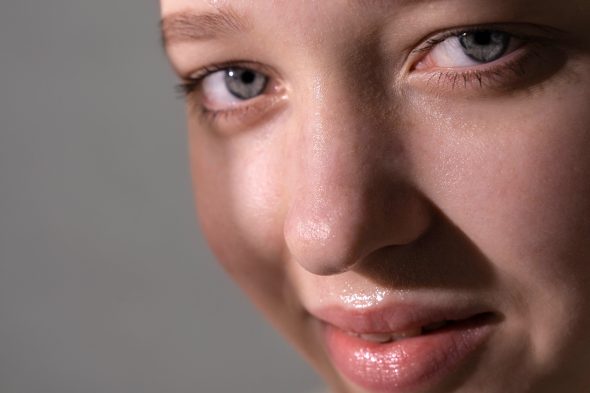
Studio portrait of a woman with dark hair in an updo looking upward with soft lighting and a neutral background.

Why Specialist Assessment Is Essential

This condition requires expert evaluation due to the complexity of both diagnosis and treatment planning.

Detailed anatomical understanding is necessary to appreciate the subtle interplay between lymphatic vessels, supporting ligaments, fat compartments, and overlying skin. Differentiation between oedema, malar bags, and festoons is crucial, as these conditions require entirely different treatment strategies despite their similar appearances.

Avoiding treatments that worsen swelling is perhaps one of the most important reasons to seek specialist input, as well-intentioned but inappropriate interventions can exacerbate the problem. Personalised treatment planning takes into account the individual patient’s anatomy, contributing factors, and realistic goals.

Periocular specialists are often best equipped to assess the condition, given their detailed knowledge of the complex anatomy surrounding the eye and their experience with the various conditions that affect this region.


Latest articles

Beauty portrait of a blonde woman facing forward with both hands placed under her chin against a light gray background.

From Tear Troughs to Lips: Does Filler Migrate More Easily in Certain Areas?

Daniel Ezra Blog

View Post

Contact us

If you are interested in any of the treatments we offer, or require any clarifications, we would love to hear from you. We deal with all issues relating to the Harley Street and Moorfields practices. You can reach us by phone, by email or by filling out the contact form below.

This field is for validation purposes and should be left unchanged.
This field is hidden when viewing the form
Please tell us how you heard about us