What To Do If You Suspect Filler Migration

Daniel Ezra, 7 January 2026

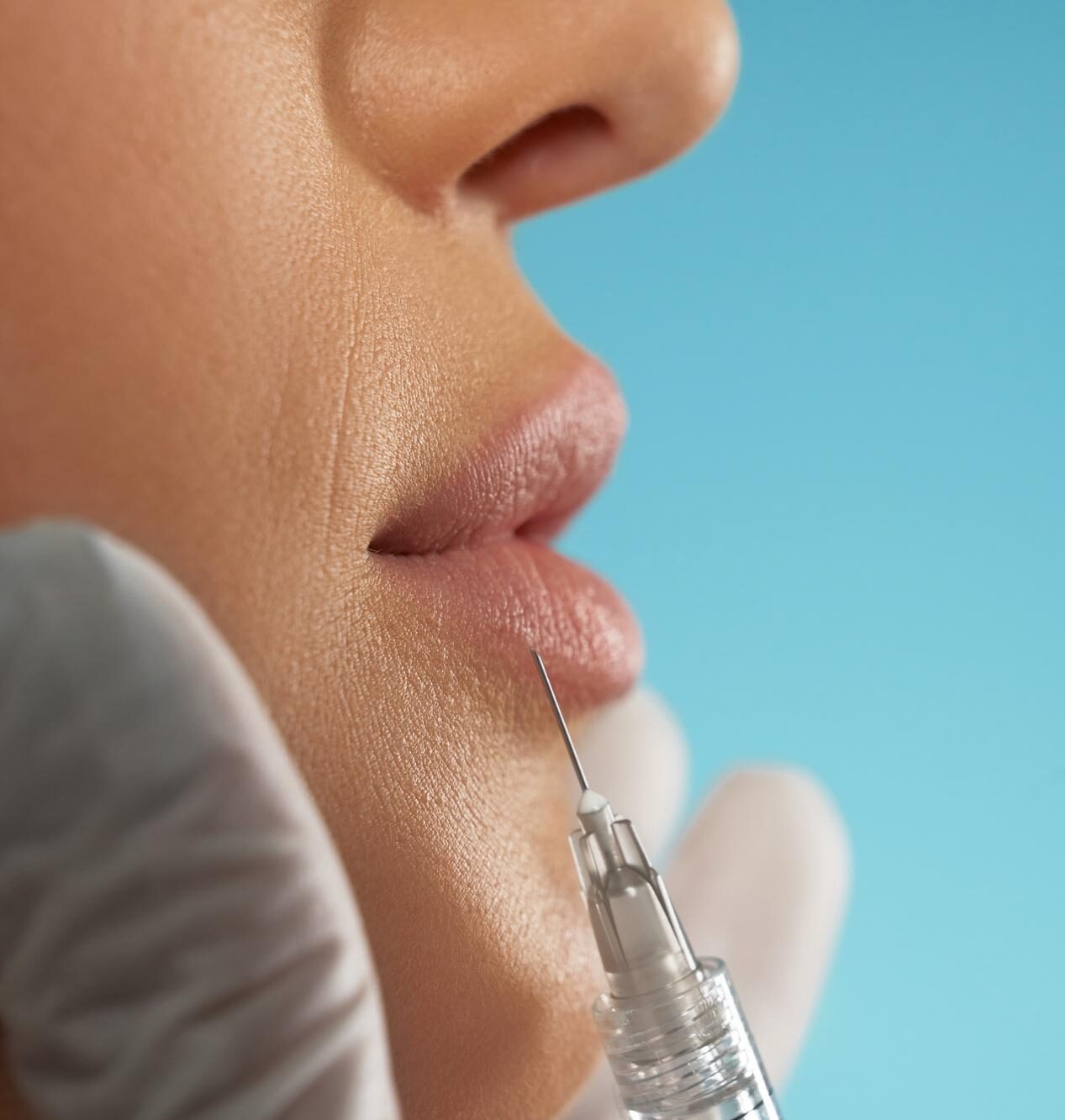
Close-up of a cosmetic professional preparing to inject dermal filler into a woman’s lips using a syringe.

Noticing unexpected swelling, fullness or changes in facial contour after dermal filler treatment can be concerning. Perhaps the soft definition you hoped for in your lips has begun to look slightly puffy, or the under-eye area that once appeared smooth now feels different to the touch. These changes may leave you wondering whether the filler has moved from where it was originally placed.

Filler migration is a recognised complication in aesthetic medicine, though it remains relatively uncommon when treatment is carried out by experienced practitioners. Whilst the prospect of filler moving beyond its intended site can feel alarming, it is important to know that in most cases, migration is not dangerous. When identified early and assessed by a qualified professional, it can be managed safely and effectively. Understanding what migration looks like, why it happens and what steps to take if you suspect it can help you feel more in control and ensure the best possible outcome.

In this article, we will explain what filler migration is, outline the signs and symptoms to watch for, explore the factors that contribute to it and provide clear, practical guidance on what to do if you think your filler may have moved. We will also cover prevention strategies and highlight when urgent medical advice is needed.

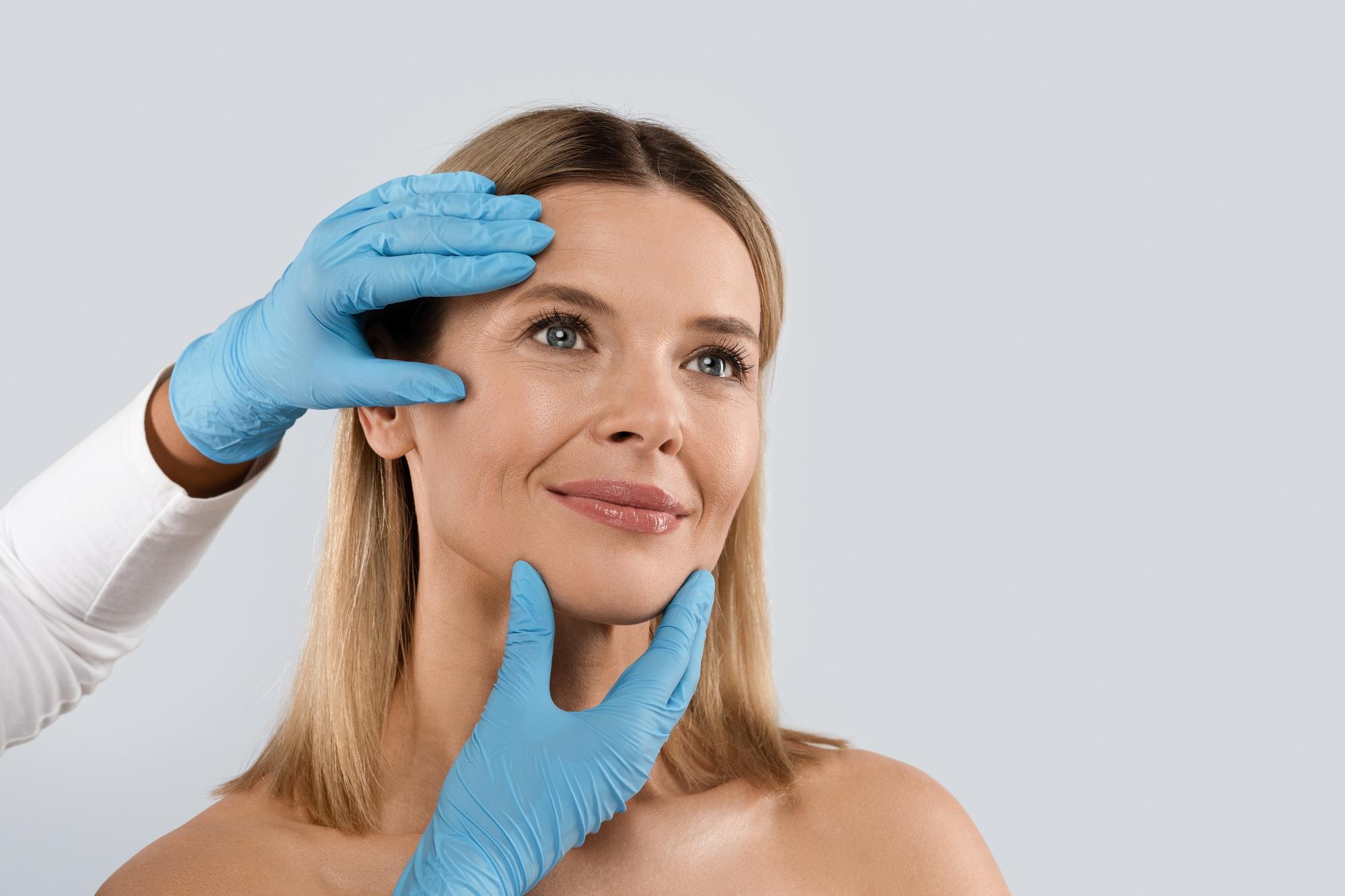
Woman smiling while a practitioner wearing blue gloves examines her face during a cosmetic consultation.

What Is Filler Migration?

Filler migration refers to the movement of dermal filler away from the site where it was originally injected. Instead of remaining in the precise location chosen by your practitioner, the product gradually shifts into surrounding tissues, creating fullness, swelling or changes in contour that were not part of the intended treatment outcome.

This movement occurs because hyaluronic acid fillers, the most commonly used type of dermal filler, are gel-based substances that exist within the soft tissues of the face. Over time, the filler can be influenced by factors such as facial movement, tissue dynamics and the way the product interacts with the natural structures beneath the skin. Migration is not an immediate occurrence. It can develop weeks, months or even years after your treatment, particularly if filler has been placed repeatedly in the same area or if certain anatomical or lifestyle factors are present.

Whilst filler migration is not a common complication when treatment is performed carefully, it is important to recognise that it can happen. The key to managing it successfully lies in early recognition and professional assessment.

Woman with eyes closed receiving a lip filler injection from a practitioner wearing blue medical gloves.

Signs and Symptoms – How to Know if Your Filler Has Migrated

It is not always immediately obvious when filler has migrated. The changes tend to be gradual and may be subtle at first, which is why it helps to be familiar with what to look for. The following signs may suggest that filler has moved from its original placement:

  • Persistent or spreading swelling beyond the treated area is one of the most common indicators. For example, if you had filler placed in your lips but notice ongoing puffiness extending into the skin above the lip line, this may be a sign of migration rather than normal post-treatment swelling.
  • Changes in shape or contour that were not present immediately after treatment can also be significant. If your facial features looked balanced and symmetrical in the days following your appointment, but over time you have noticed a shift in fullness or an uneven appearance, this warrants closer attention.
  • Firmness, puffiness or fullness in adjacent areas that were not injected is another red flag. Migration often results in filler accumulating in tissues nearby, creating a sensation of heaviness or an unnatural texture when you touch the area.
  • Asymmetry that develops gradually rather than immediately is particularly telling. Whilst some degree of temporary unevenness can occur in the early healing phase, asymmetry that worsens over weeks or months is more likely to be related to product movement.
  • In some cases, there may also be subtle discolouration or shadowing beneath the skin, particularly in thinner areas such as under the eyes. This can be caused by the way light interacts with misplaced filler or by the filler attracting water and causing a bluish tint known as the Tyndall effect.

If any of these signs sound familiar, it is worth seeking a professional opinion. Early assessment makes treatment simpler and more effective.

Portrait of a woman with smooth, radiant skin gently touching her face and smiling slightly.

Why Does Filler Migration Happen?

Filler migration is not the result of a single cause. Rather, it arises from a combination of factors related to the way the treatment was performed, the properties of the product used and the unique characteristics of your facial anatomy. Understanding these factors can help explain why migration occurs and how it might be prevented in future treatments.

Injection-Related Factors

The technique used during your treatment plays a significant role in whether filler stays in place. The depth at which filler is injected matters. If the product is placed too superficially, it may not be adequately supported by the surrounding tissue and can move more easily. Similarly, injecting too much filler in one session can overwhelm the anatomical space, causing the product to spread into neighbouring areas rather than integrating into the tissue as intended.

Placement in highly mobile areas of the face, such as the lips or around the mouth, also increases the risk of migration. These regions are subject to constant movement through talking, eating and facial expression, which can gradually encourage the filler to shift over time.

Product and Anatomical Factors

Hyaluronic acid fillers have a natural affinity for water. This hydrophilic property is part of what makes them effective at adding volume and hydration to the skin. However, it also means that the filler can attract fluid from surrounding tissues, which may contribute to swelling and, in some cases, movement of the product.

Your facial anatomy also plays a part. The face is made up of distinct tissue planes, and if filler is not placed within the correct anatomical layer, it may migrate along these planes. Certain areas, such as the lips and the tear troughs beneath the eyes, are particularly prone to movement due to the delicate nature of the tissue and the degree of motion they experience daily.

Aftercare and External Influences

What happens after your treatment can influence whether filler stays in place. Excessive pressure on the treated area, whether from sleeping face-down, rigorous massage or certain beauty treatments, can encourage the product to move. Repeated facial movements, particularly in expressive areas, may also play a role over time.

Additionally, if you have had filler treatments layered over months or years without allowing the previous product to fully integrate or dissolve, this can create a build-up that is more susceptible to migration. Gradual, conservative enhancement is always preferable to overfilling in a short period.

Woman with eyes closed receiving a lip filler injection from a practitioner wearing blue medical gloves.

What To Do If You Suspect Filler Migration

If you think your filler may have migrated, it is natural to feel uncertain about what to do next. The good news is that there are clear, practical steps you can take to address the situation calmly and safely. Acting thoughtfully, rather than impulsively, will give you the best chance of a positive outcome.

Stay Calm and Observe

Not every change you notice after filler treatment is a sign of migration. Mild swelling, for example, is a normal part of the healing process and can take up to two weeks to settle fully. In some cases, it may persist for slightly longer, particularly in areas such as the lips or under the eyes where the tissue is more delicate.

Take note of when the changes first appeared and whether they seem to be progressing. If the swelling or fullness is stable and not worsening, it may simply be part of your body’s natural response to the treatment. However, if the changes are gradual, spreading or accompanied by other symptoms such as firmness or asymmetry, it is worth seeking professional advice.

Avoid Self-Correction

It can be tempting to massage or press on the area in an attempt to redistribute the filler yourself. However, this is not advisable. Manipulating the area without professional guidance can cause further movement of the product, worsen swelling or even lead to complications such as bruising or tissue damage. It is always safer to leave any correction to a trained practitioner who understands the anatomy and has the appropriate tools and expertise.

Serene woman with glowing skin touching her neck, eyes closed, against a soft neutral background.

Contact Your Clinic or Practitioner

Reaching out to the clinic or practitioner who performed your treatment is an important early step. Reputable practitioners take patient concerns seriously and will be able to arrange an assessment to determine what is happening and whether intervention is needed. Early evaluation allows for simpler and more effective management, and in many cases, reassurance alone may be all that is required.

If you are unable to contact your original practitioner, or if you are unsatisfied with their response, seek advice from another experienced aesthetic professional. It is important that you feel heard and supported throughout the process.

Attend a Professional Assessment

A thorough assessment is essential for accurate diagnosis. Your practitioner will examine the area visually and by palpation, feeling for any unusual firmness, asymmetry or displacement of the filler. In some cases, ultrasound imaging may be used to visualise the filler beneath the skin and confirm whether migration has occurred.

This assessment will guide the next steps, which may include observation, massage under professional supervision, or filler dissolving with hyaluronidase or Topilase and microneedling. Treatment decisions should always be based on a clear understanding of what is happening beneath the surface, rather than guesswork.

Close-up of a cosmetic professional preparing to inject dermal filler into a woman’s lips using a syringe.

When to Seek Urgent Medical Advice

Most cases of suspected filler migration do not require emergency treatment. However, there are certain symptoms that should never be ignored, as they may indicate a more serious complication such as vascular compromise or infection.

Sudden severe pain, particularly if it comes on quickly and is not relieved by over-the-counter pain relief, should be assessed urgently. Rapid swelling or changes in skin colour, such as blanching (a pale, white appearance), mottling or a dusky blue or purple tone, can be signs that blood flow to the area has been affected. This is a medical emergency and requires immediate attention.

Signs of vascular compromise, such as intense pain, skin colour changes or the appearance of blisters or ulceration, should prompt you to contact your practitioner or seek emergency medical care without delay. Similarly, signs of infection, such as increasing redness, warmth, pus or fever, require prompt assessment and treatment.

If you experience any of these symptoms, do not wait. Contact your practitioner immediately or, if they are unavailable, go to your nearest accident and emergency department. Early intervention in these situations is critical to preventing long-term damage.

Can Filler Migration Be Prevented?

Whilst no treatment can be guaranteed to be entirely free from complications, there are several steps you can take to minimise the risk of filler migration. Prevention begins long before the needle touches your skin, and continues well into the aftercare period.

  • Choosing an experienced, medically trained injector is the single most important factor in reducing your risk. At The Ezra Clinic, our practitioners have extensive experience in facial anatomy and advanced injection techniques, which allows for precise placement and a thorough understanding of how different products behave in different areas of the face. An injector who understands tissue planes, product properties and individual anatomical variation is far less likely to place filler in a way that encourages migration.
  • Conservative treatment planning and gradual enhancement are also key. Overfilling an area in a single session increases the likelihood of the product spreading beyond its intended site. A more measured approach, with smaller volumes and repeat treatments spaced appropriately, allows the filler to integrate into the tissue naturally and reduces the risk of complications.
  • Appropriate filler selection for each facial area matters too. Not all fillers are the same. Some are designed for deeper structural support, whilst others are better suited to delicate areas such as the lips or tear troughs. Using the right product in the right location is an essential part of safe, effective treatment.
  • Following aftercare advice carefully is something you have direct control over. Your practitioner will provide specific guidance after your treatment, which may include avoiding excessive pressure on the area, sleeping with your head elevated, avoiding strenuous exercise for a short period and refraining from certain beauty treatments such as facials or massages in the days following your appointment. Taking these instructions seriously can make a significant difference.
  • Finally, allowing adequate time between repeat treatments is important. Rushing back for more filler before the previous treatment has fully settled can lead to a build-up of product, which increases the risk of migration and makes it harder to achieve natural-looking results.


Latest articles