


Why Do My Eyes Always Look Tired Even When I Sleep Well?

Daniel Ezra, 14 January 2026

Side-profile of a smiling woman with long dark hair and radiant skin against a light background.

You go to bed on time, sleep well, drink enough water and invest in good skincare, yet every time you look in the mirror, your eyes still appear tired. Dark shadows, puffiness or a slightly heavy look can persist even when you feel rested. This disconnect can be frustrating, especially when lifestyle changes and topical products do not make a visible difference.

The reason is often simple, but widely misunderstood: tired-looking eyes do not always reflect fatigue. In many cases, they are the result of underlying anatomy, skin quality and age-related structural changes. Understanding why the eye area looks tired is key to choosing treatments that can genuinely refresh and restore it.

Tired Eyes Are Not Always About Tiredness

It is a common assumption that dark circles, puffiness, or a heavy-lidded appearance automatically signal inadequate sleep or poor health. Whilst lifestyle factors certainly play a role in some cases, the eye area is one of the first parts of the face to reveal structural changes and the natural effects of ageing. This region is uniquely vulnerable due to its delicate anatomy and constant movement, making it prone to visible alterations that have nothing to do with how many hours you spent in bed last night.

The concept of anatomy-driven tiredness is crucial here. Some individuals are simply born with features that create the illusion of fatigue, regardless of their actual energy levels or sleep quality. Others develop a tired appearance gradually as their facial structure shifts with age. These changes are fundamentally different from the temporary puffiness or darkness caused by a late night or seasonal allergies.
Woman stretches her arms upward with a smile while sitting in bed after waking up.

The Real Reasons Your Eyes Look Permanently Tired

When your eyes consistently appear tired despite adequate rest, several anatomical and physiological factors are likely at play. These issues are often layered, meaning that more than one cause may be contributing to the overall appearance. Understanding each element helps clarify why topical treatments alone rarely deliver meaningful change.

Your Natural Anatomy Creates Shadows

Some people are born with deep tear troughs or prominent orbital bones that cast shadows across the lower eyelid and upper cheek. This anatomical configuration creates the appearance of dark circles even in childhood or adolescence, long before any signs of ageing emerge. The depth and positioning of these structures determine how light interacts with the face, and in some instances, the result is a perpetual look of tiredness that no amount of sleep can remedy.

This is not a flaw or a problem to be corrected in every instance. Still, for those who feel self-conscious about their appearance, it is important to understand that the issue is structural rather than superficial. Skincare products cannot alter bone structure or fill naturally occurring hollows, which is why many individuals find themselves disappointed after investing in countless creams and serums that promise to brighten or de-puff the under-eye area.

Thin Under-Eye Skin Reveals What Lies Beneath

The skin beneath the eyes is among the thinnest on the entire body, measuring only a fraction of a millimetre in some areas. This thinness means that underlying structures, including blood vessels and the orbicularis oculi muscle, are far more visible than they would be elsewhere on the face. When these vessels show through, they often create a bluish or purplish tone that is commonly mistaken for pigmentation or bruising.

Unlike true hyperpigmentation, which results from excess melanin production, this discolouration is caused by the skin’s transparency. It is why some people notice that their under-eye area looks darker in certain lighting or after rubbing their eyes, when increased blood flow makes the vessels even more prominent. Addressing this type of darkness requires improving skin quality and thickness rather than targeting pigment.

Ageing Changes Volume, Not Just Wrinkles

When most people think about ageing around the eyes, they picture crow’s feet and fine lines. However, volumetric changes play a far more significant role in creating a tired appearance. As we age, the fat pads that provide youthful fullness begin to diminish and shift downward due to gravity and changes in supporting structures. This leads to hollowing in some areas and bulging in others, disrupting the smooth contour that once existed between the lower eyelid and cheek.

Loss of volume beneath the eyes creates shadowing and depth, accentuating any existing tear troughs. Meanwhile, the remaining fat may herniate forward, pushing against weakened tissues and forming visible bags. These changes contribute far more to an aged or exhausted look than wrinkles alone, yet they are often overlooked in favour of wrinkle-focused treatments that do little to restore facial balance.

Persistent Puffiness and Eye Bags

Not all under-eye puffiness is created equal. Temporary swelling caused by fluid retention typically responds well to cold compresses, adequate hydration, upright posture at nighttime and reducing salt intake. However, when puffiness persists regardless of these measures, the cause is often structural rather than fluid-based. Genuine eye bags result from herniated orbital fat pushing forward as the tissues that once held it in place weaken with age.

This type of puffiness cannot be resolved with topical treatments or lifestyle adjustments because it is a matter of anatomy rather than inflammation or fluid accumulation. Home remedies may provide momentary relief or slight improvement in fluid-related swelling, but they will never address the underlying fat displacement that creates permanent bags.

Non-Surgical Treatments That Can Truly Refresh Tired Eyes

For individuals seeking improvement without undergoing surgery, several non-surgical treatments can address specific causes of tired-looking eyes. These options are most effective when carefully selected based on the underlying issue rather than applied universally to all cases of perceived fatigue.

Tear Trough Fillers: Softening Shadows and Hollows

Hyaluronic acid fillers have become a popular solution for restoring volume to the tear trough area and creating a smoother transition between the lower eyelid and cheek. When injected with precision, these fillers can soften shadows, reduce the appearance of hollowing, and provide a more rested look. The treatment works by physically filling the depression, thereby reducing the depth that creates shadowing and visual tiredness.

However, tear trough fillers are not appropriate for everyone. In cases where existing puffiness or excess skin is present, adding volume can worsen the problem rather than improve it. The under-eye area is also particularly unforgiving when it comes to technique; poor placement or excessive product can result in a lumpy appearance, persistent swelling, or a bluish discolouration known as the Tyndall effect.

Success depends heavily on the injector’s anatomical knowledge, experience with this delicate region, and commitment to conservative, gradual enhancement.

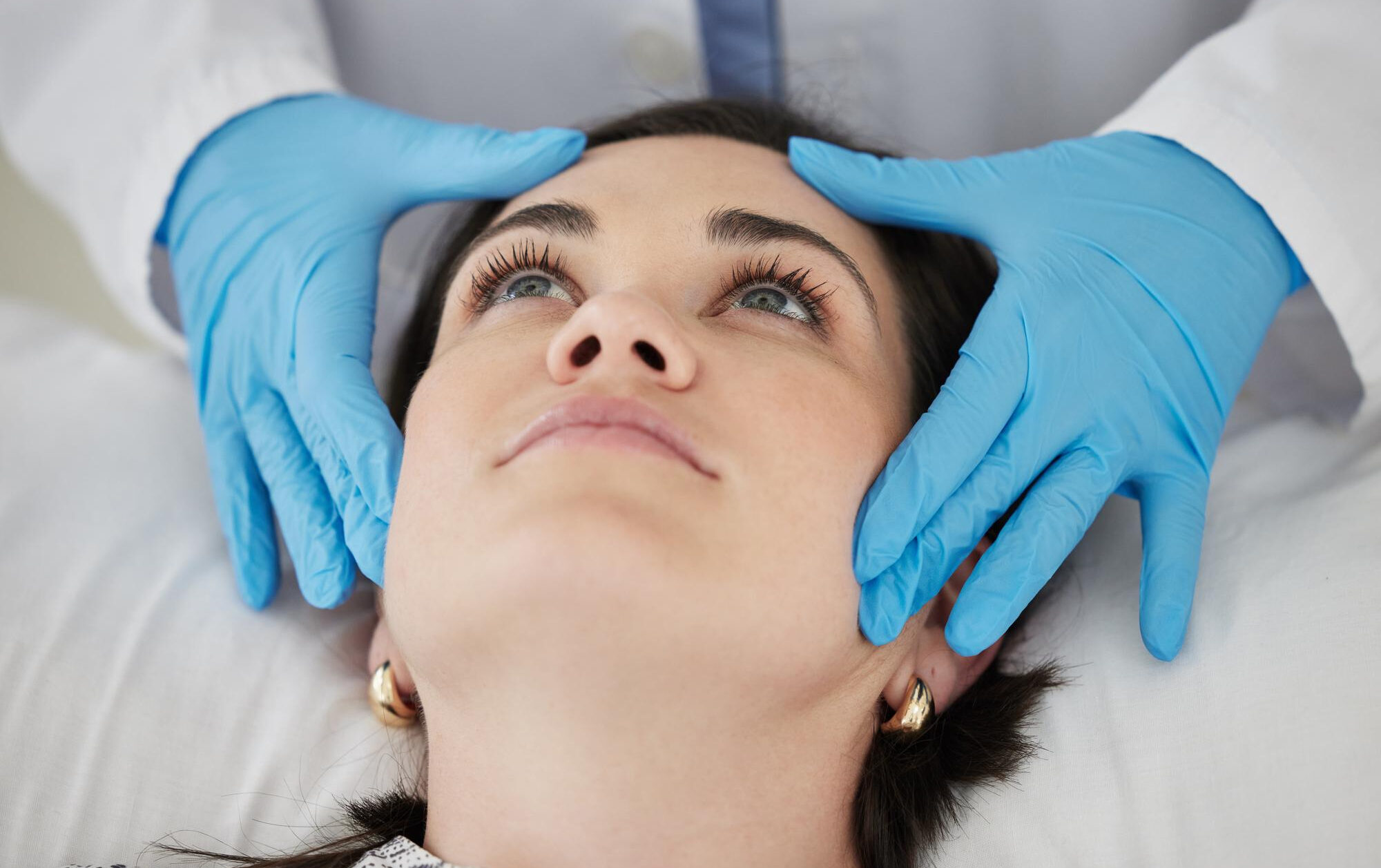
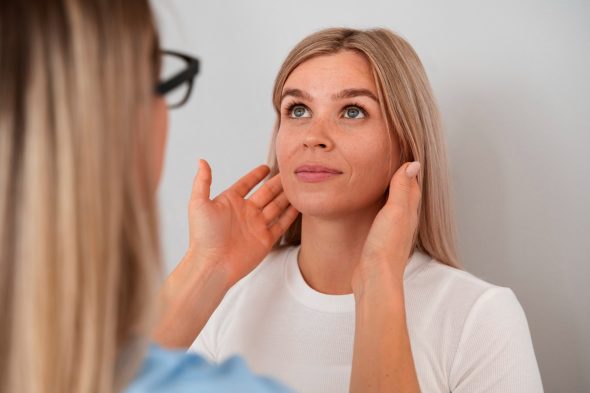
Woman lies on a treatment bed while a practitioner wearing blue gloves examines her face.

Skin Quality Treatments for the Eye Area

When thin, fragile skin is the primary contributor to tired-looking eyes, treatments that improve skin quality can be highly effective. Platelet-rich plasma and regenerative injectables support collagen production and improve skin resilience over time.

Microneedling and radiofrequency treatments can also be used carefully around the eyes to stimulate collagen and improve texture. These treatments deliver gradual improvements rather than instant transformation, making realistic expectations an important part of the process.

The Ezra Clinic Insight: The Eyes 2.0 Package

Rather than relying on a single modality, effective eye rejuvenation often requires a combined approach that targets skin quality, hydration and subtle lifting simultaneously.

The Eyes 2.0 Package is a cutting-edge eye rejuvenation treatment designed to refresh and revitalise the delicate eye area by addressing multiple contributors to tired-looking eyes at once. It combines microneedling, skin boosters and polynucleotides to improve skin texture, hydration and resilience without surgery.

This advanced approach is particularly suited to concerns such as fine lines, under-eye bags, dark circles and early skin laxity, where the issue lies in skin quality rather than excess tissue alone. By stimulating collagen production, intensely hydrating the skin and supporting cellular regeneration, the Eyes 2.0 Package helps restore a smoother, brighter and more awake appearance to the eyes while maintaining a natural look.

Surgical Options for Structural Eye Rejuvenation

When non-surgical treatments cannot adequately address the structural causes of tired-looking eyes, surgical intervention may be the most effective path forward. These procedures offer permanent solutions to issues that cannot be resolved through injectables or skin quality treatments alone.

Lower Blepharoplasty for Structural Eye Bags

When under-eye puffiness results from herniated orbital fat rather than fluid retention, lower blepharoplasty provides a permanent solution. This surgical procedure removes or repositions excess fat, tightens the supporting structures, and in some cases removes redundant skin to create a smoother, more youthful contour. The result is a lasting reduction in heaviness and puffiness that cannot be achieved through any non-invasive means.

Lower eyelid surgery requires considerable skill and experience, as the delicate anatomy of this area demands precision to avoid complications such as scarring, eyelid malposition, or an overly hollowed appearance. When performed by a qualified surgeon, however, the procedure can dramatically improve the appearance of tired eyes whilst maintaining natural-looking results.

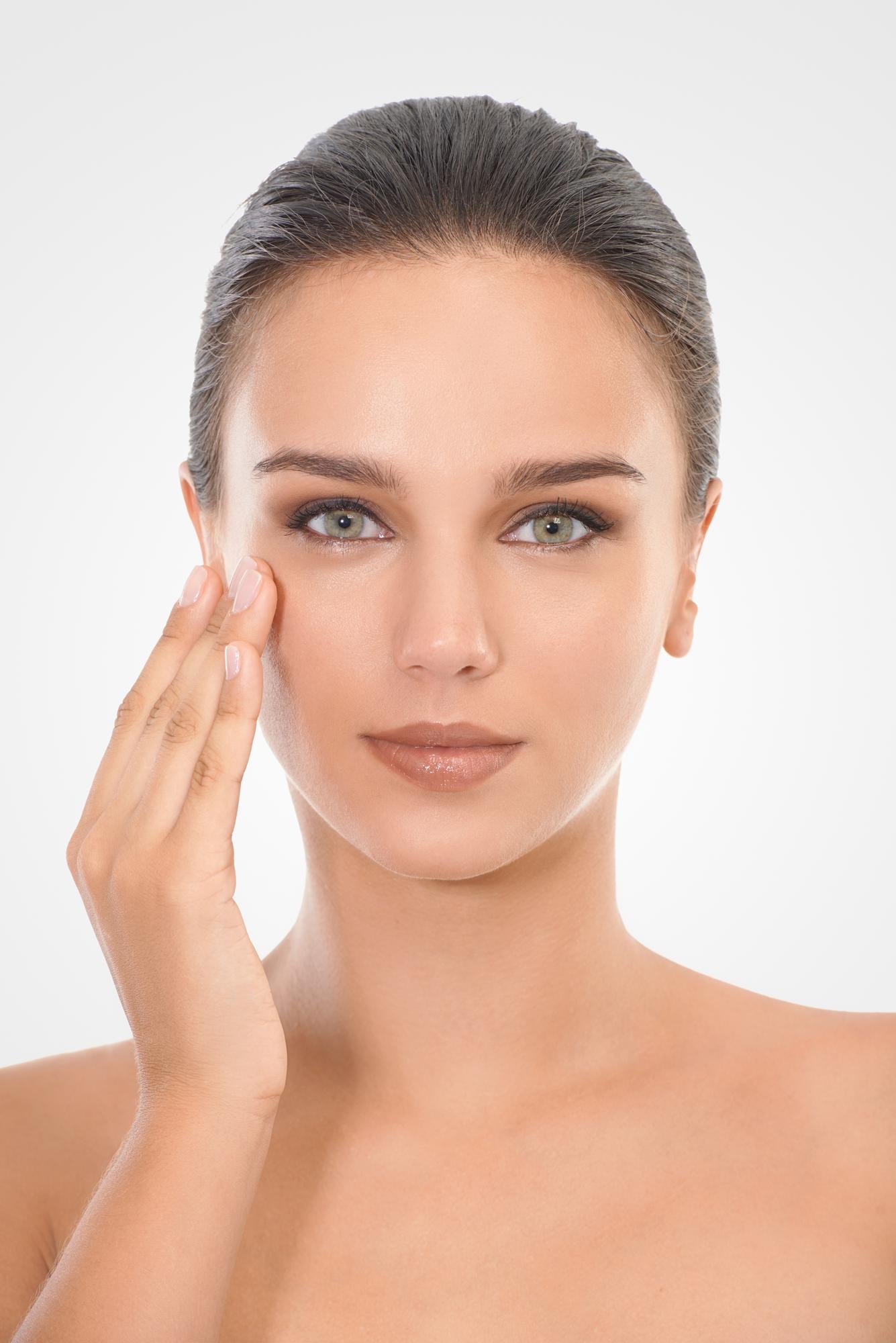
Front-facing portrait of a woman with smooth skin touching her cheek lightly against a white background.

Upper Blepharoplasty for Heavy or Drooping Eyelids

Excess skin on the upper eyelids can create a hooded or heavy appearance, contributing significantly to the appearance of tiredness. This drooping may be congenital or develop with age as the skin loses elasticity and descends over the lash line. Upper blepharoplasty removes this excess tissue, opening up the eyes and creating a more alert, refreshed expression.

Beyond its aesthetic benefits, upper eyelid surgery can also improve peripheral vision when drooping skin obstructs the upper visual field. This dual benefit makes the procedure both functionally and cosmetically valuable for many individuals who have struggled with heavy lids for years.

Fat Transfer for Long-Term Volume Restoration

Fat transfer uses the patient’s own fat to restore lost volume around the eyes. This technique is beneficial when hollowing is significant or when longer-term volume restoration is desired.

In some instances, fat transfer may be preferable to injectable fillers, especially when larger areas require support or when a more permanent solution is appropriate.

Book a consultation

Choosing the Right Approach for Your Eyes

Tired-looking eyes cannot be addressed with a universal treatment protocol. Each individual’s anatomy, ageing pattern, and aesthetic goals differ, making personalised assessment essential for achieving meaningful results. What works beautifully for one person may be inappropriate or ineffective for another, which is why expert consultation is invaluable.

Comparing non-surgical and surgical options requires consideration of several factors, including the severity of the concern, the desired longevity of results, the tolerance for downtime, and the budget. Non-surgical treatments offer the advantage of minimal recovery and lower initial cost, but they require maintenance and may not fully resolve structural issues. Surgical options involve greater upfront investment and recovery time. Still, they provide permanent or very long-lasting solutions to problems that cannot be adequately addressed through injectables or skin treatments. In addition, it is often not a choice of surgical or non-surgical approaches, but rather how they can both work best to deliver the outstanding results that our clinic is known for.

The Ezra Clinic’s expertise in medical aesthetics ensures that patients receive thorough evaluation and honest recommendations tailored to their unique circumstances. Rather than promoting a single treatment approach, the clinic’s philosophy centres on identifying the actual cause of each patient’s concerns and designing a strategy that delivers natural, proportionate results.

Whether through advanced non-surgical techniques, surgical intervention, or a combination of both, the goal remains the same: refreshed, rested-looking eyes that are bright and fresh, reflecting how you truly feel.

Book a consultation


Latest articles