Why Some People Develop Malar Bags After Botox

Daniel Ezra, 9 January 2026

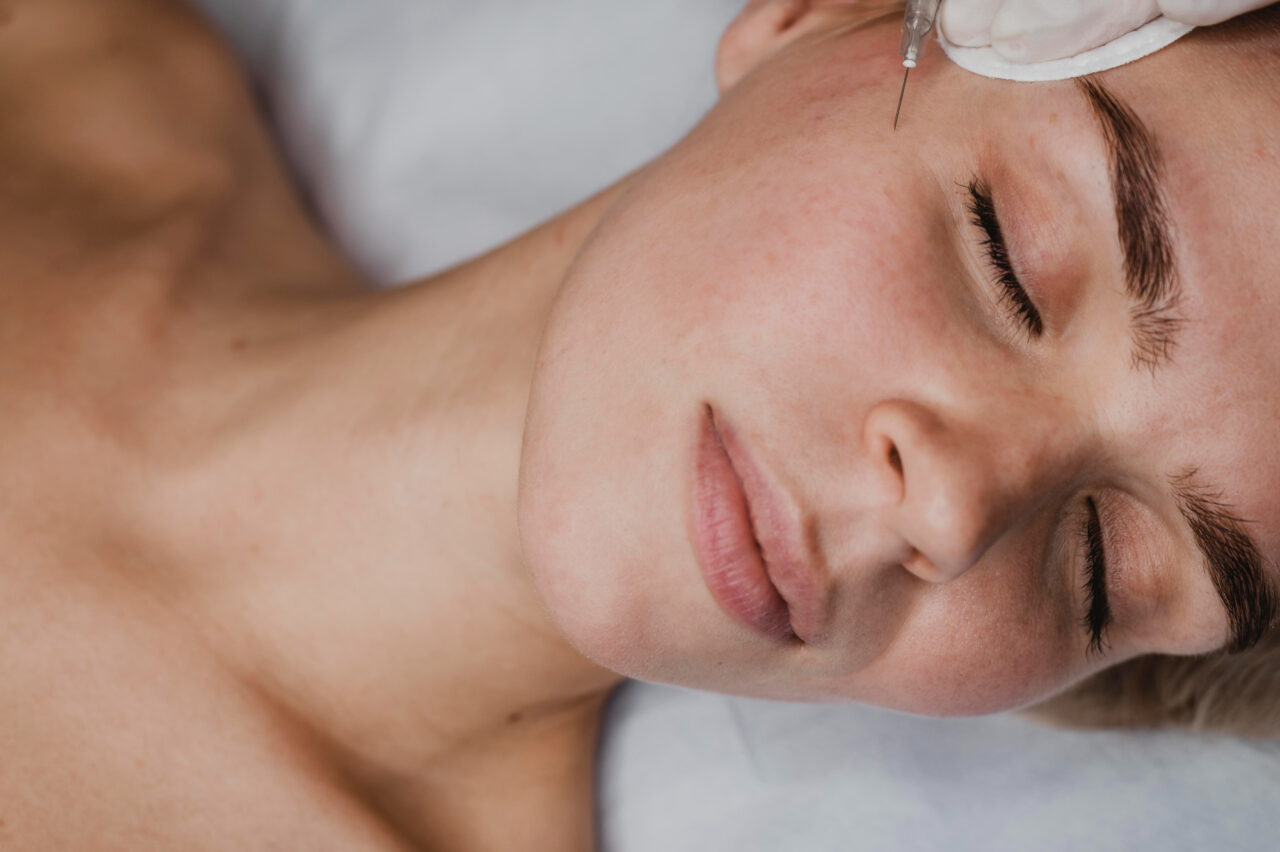
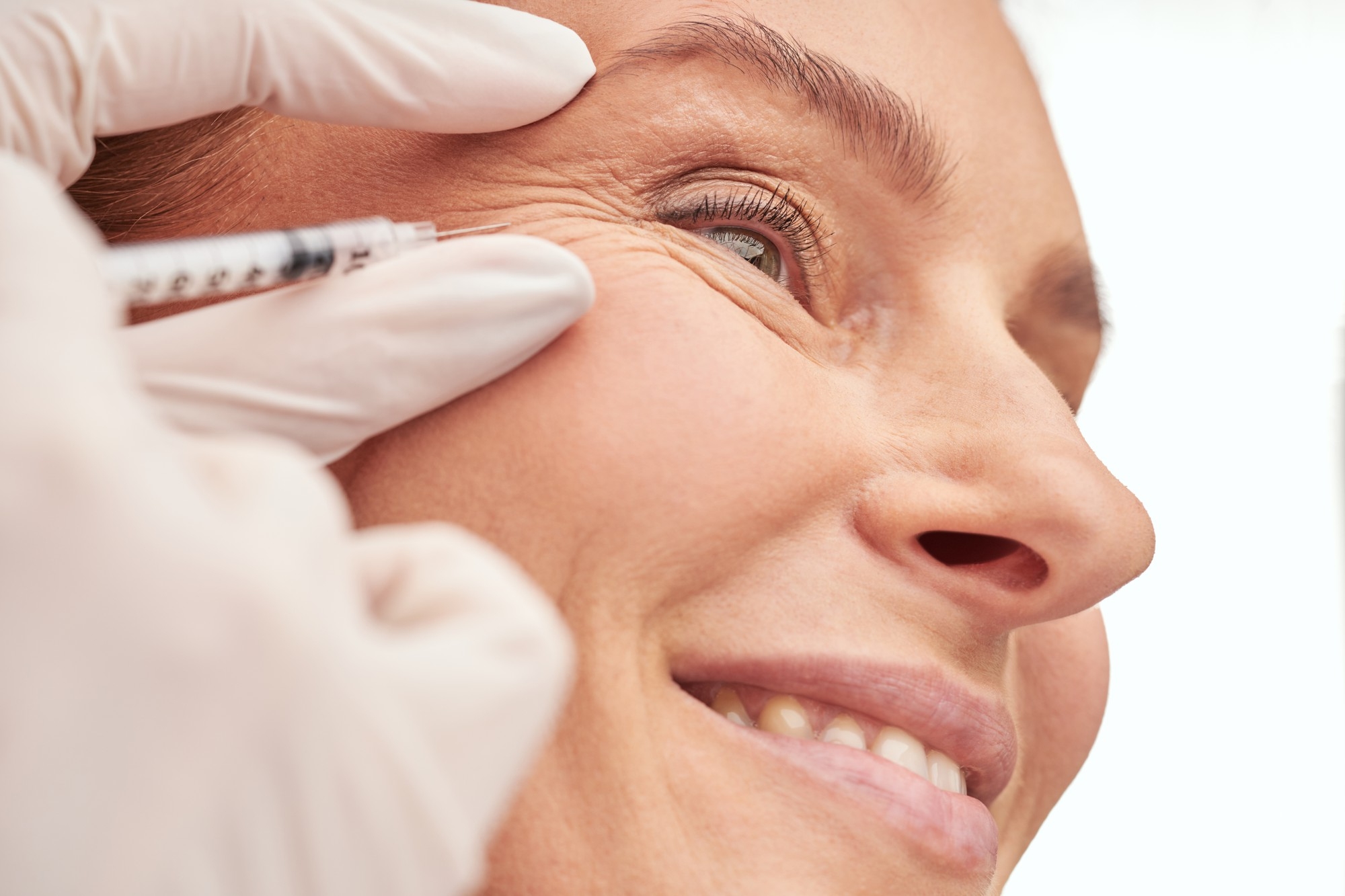
Close-up of a woman lying down with eyes closed while a syringe is positioned under her eye.

Botox is celebrated for its ability to smooth fine lines and refresh the upper face. But occasionally, patients notice something unexpected beneath their eyes. Puffiness that was not there before. Swelling that seems to worsen after treatment. It can be both puzzling and distressing.

This phenomenon, known as malar bags or malar oedema, is more common than many people realise. And it is closely tied to the anatomy of your face, how your muscles function, and the specifics of Botox administration.

This article explains the mechanisms behind malar bag formation. We will identify which patients are at higher risk of developing them and outline the strategies that experienced practitioners use to prevent and manage this complication.

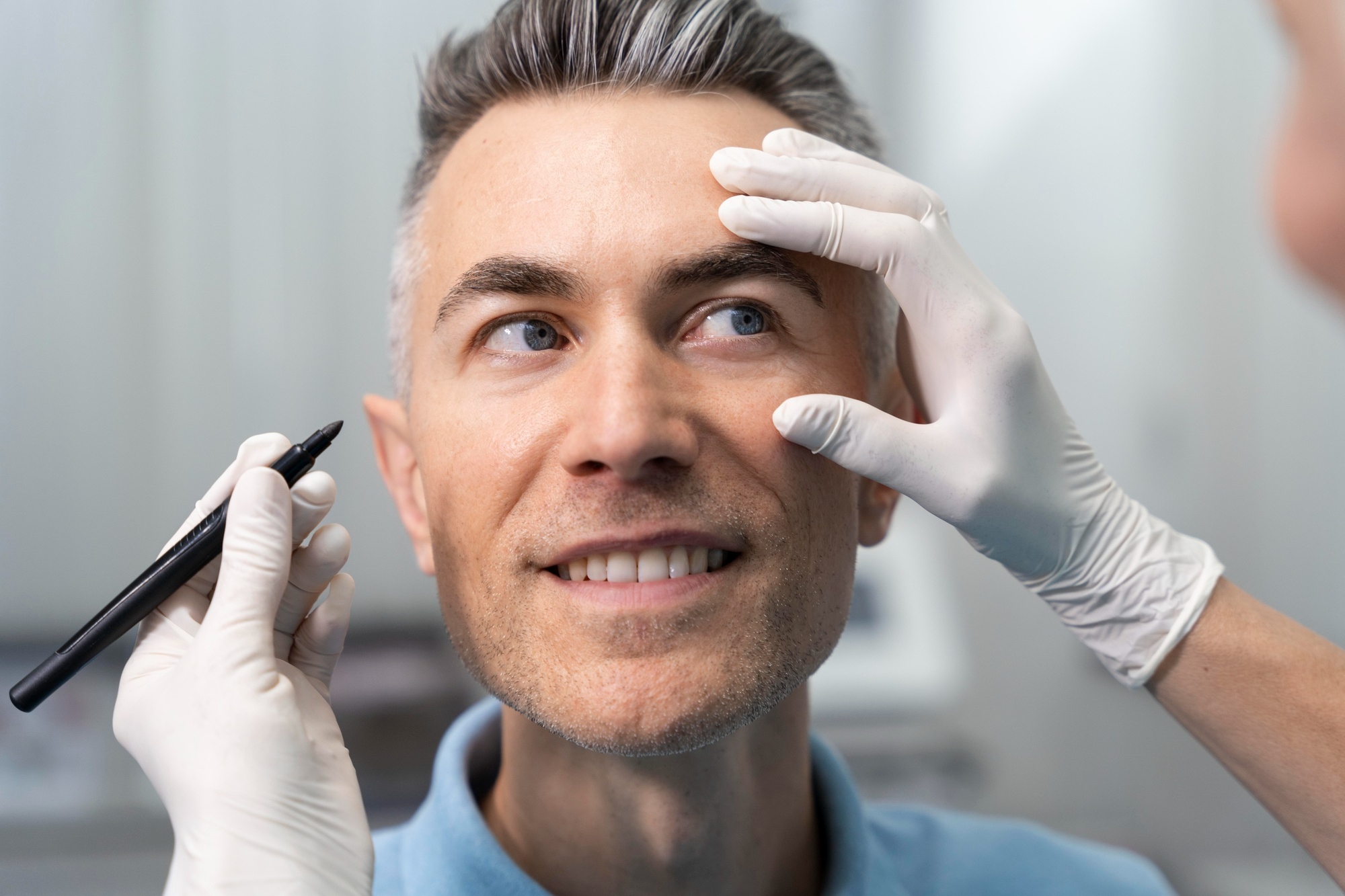
A smiling man looks upward while gloved hands hold a marker and touch his forehead, as if planning a cosmetic procedure.

When Botox Changes More Than Wrinkles

Malar bags represent an unexpected but not uncommon concern that can emerge following Botox injections. Most patients associate Botox with the elimination of crow’s feet and forehead lines. But the delicate area around the eyes is more complex than it appears. Even minor alterations in muscle activity can lead to noticeable changes in fluid dynamics and tissue behaviour.

Here is the thing: malar bags are not a sign of poor-quality Botox or an allergic reaction. They are a consequence of how the treatment interacts with your individual anatomy and the intricate balance of muscles and lymphatic drainage in the periorbital region.

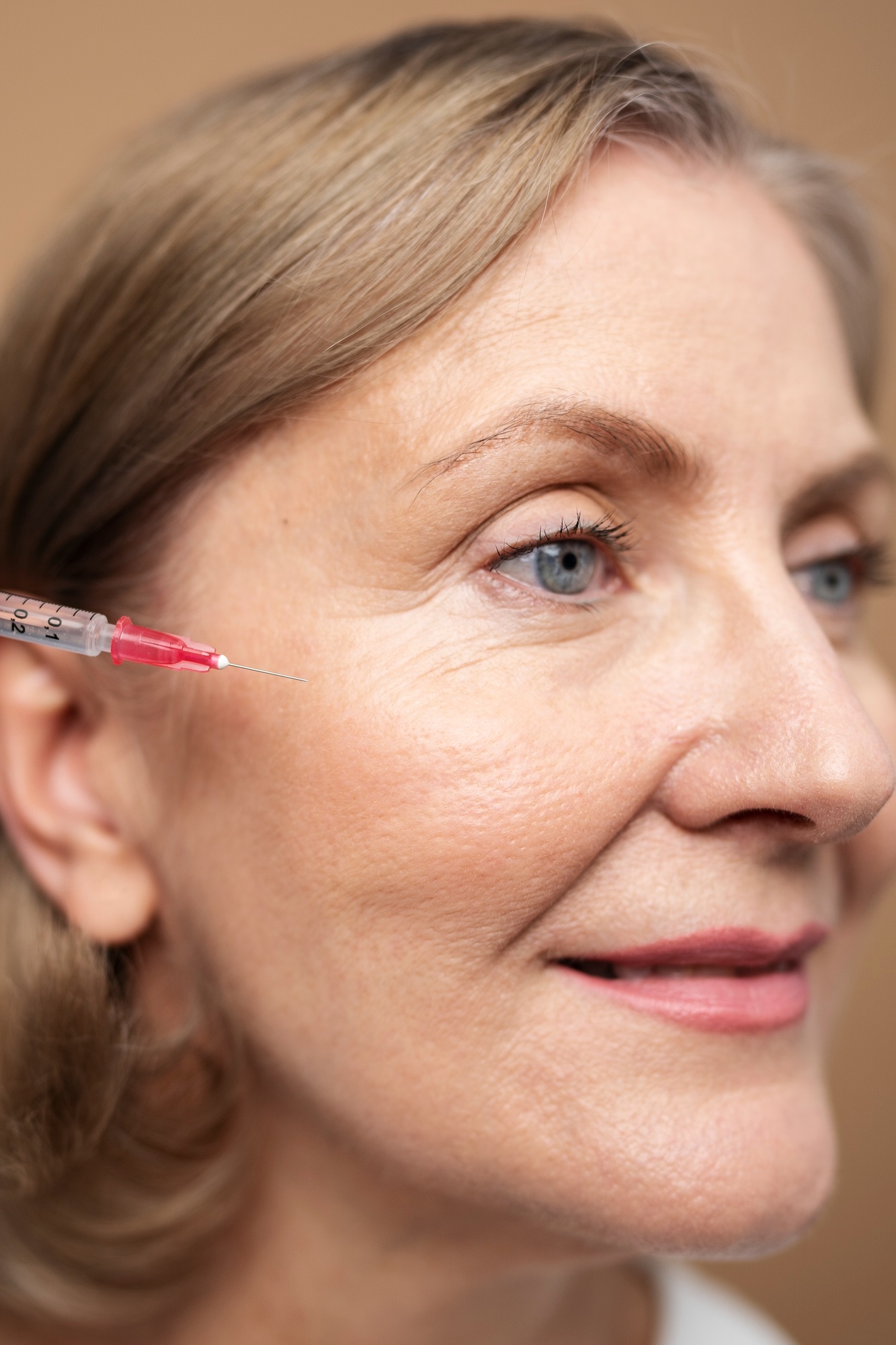
Side-profile close-up of an older woman as a syringe approaches the outer eye area for a cosmetic injection.

What Are Malar Bags and How Are They Different From Eye Bags?

Malar bags, also referred to as malar oedema, are characterised by fluid accumulation over the malar prominence. That is the bony area of the cheek just below the lower eyelid. Unlike traditional under-eye bags, which result from prolapse of orbital fat, malar bags are primarily fluid-based. This distinction is important. It determines both the appearance and the appropriate management approach.

Fat prolapse tends to create a bulkier, more defined pouch beneath the eye. Malar bags, on the other hand, present as smooth, soft swelling that often feels fluctuant to the touch. The texture is less firm, and the swelling can shift slightly depending on position and time of day.

A young woman rests her head on her folded arms on a glossy surface against a gray background.

How and When Malar Bags Typically Appear

Malar bags do not usually appear immediately after Botox treatment. Instead, they tend to develop gradually, often becoming noticeable several days to a few weeks following the injections. The onset can be subtle at first, with patients noticing a slight fullness that progressively becomes more obvious.

The swelling is usually soft, symmetrical, and fluid-based rather than firm or fatty. Because the condition is related to fluid accumulation rather than structural changes, the appearance can fluctuate throughout the day, often becoming more pronounced in certain circumstances.

How Botox Influences the Under-Eye Anatomy

The under-eye area is anatomically complex and highly sensitive to small changes. Botox does not add volume to this area, but it does influence how muscles function, which in turn affects fluid movement.

Muscle Relaxation and Loss of Natural Drainage

The orbicularis oculi muscle plays an important role in facial expression, blinking and supporting lymphatic and venous drainage around the eyes. Under normal conditions, this muscle acts as a subtle pump, helping move fluid away from the lower eyelid and cheek area.

Botox relaxes this muscle, reducing its ability to assist with drainage. When this natural pumping mechanism is weakened, fluid can pool in the malar region. This is a key reason why patients ask, can Botox cause bags under eyes, and in certain individuals, the answer is yes.

The Delicate Balance of the Periorbital Area

The periorbital area has thin skin, minimal structural support and a dense network of lymphatic vessels. Even small changes in muscle activity or tissue tension can have visible effects. This is why Botox outcomes around the eyes require particular precision and a thorough understanding of anatomy.

Why Only Some People Develop Malar Bags After Botox

Not every patient who receives Botox around the eyes will experience malar bags. Even when treated in a similar manner. This variability highlights the importance of individual anatomy, baseline tissue characteristics, and treatment technique. Some patients are simply more predisposed to fluid retention and sluggish drainage. Others may have pre-existing conditions that increase their risk.

Individual Anatomy and Lymphatic Function

There is considerable natural variation in the efficiency with which the lymphatic system functions from person to person. Some individuals have robust lymphatic drainage that quickly clears excess fluid from the tissues. Others have slower, less efficient systems that are more prone to oedema.

Patients with inherently sluggish lymphatic drainage are far more likely to develop malar bags after Botox. Their tissues are already less capable of managing fluid shifts. Age, genetics, and overall health all play a role in determining lymphatic efficiency. These factors cannot always be predicted from external appearance alone.

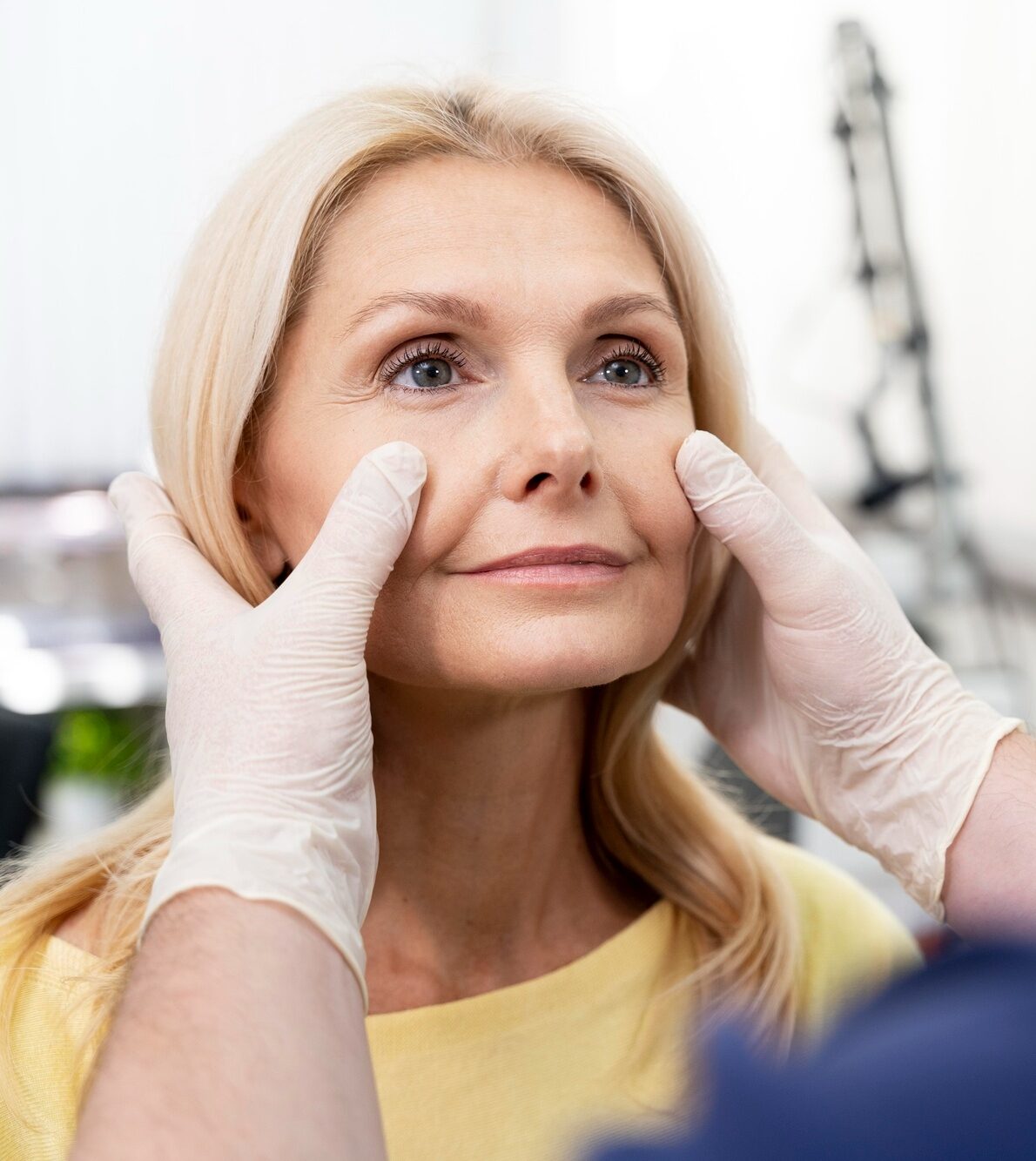
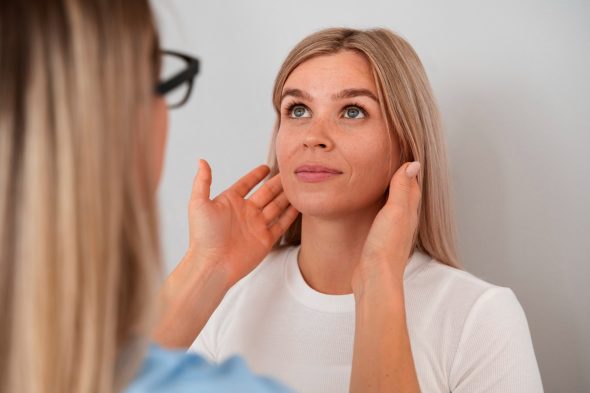
A clinician in white gloves gently presses a blonde woman’s cheeks during a facial assessment in a clinic.

Pre-existing Puffiness or Treatment History

Patients who have a history of under-eye puffiness, festoons, or previous dermal filler treatments in the midface or tear trough area are at higher risk of developing malar bags following Botox. In many cases, Botox does not create a new problem. It unmasks or exaggerates an existing tendency towards fluid retention.

Previous filler treatments can alter tissue dynamics and may contribute to oedema by affecting the natural pathways for fluid drainage. Similarly, patients who frequently wake with puffy eyes or who have noticed age-related changes in the under-eye area are more susceptible to post-Botox swelling.

Injection Placement and Technique

The location and pattern of Botox injections significantly impact whether malar bags develop. Injections placed too low, particularly those that extend close to the lower eyelid margin, are more likely to interfere with the orbicularis oculi muscle’s drainage function. Overly aggressive dosing or treating a wider area than necessary can also increase the risk.

Experienced practitioners understand the importance of thoughtful injection planning. They adjust their technique based on each patient’s anatomy and risk factors. This is one of the reasons why ‘why can botox cause bags under eyes’ is a question that depends not just on the product itself, but on how and where it is administered.

Portrait of a young woman with curly hair touching her chin and looking at the camera.

Is Botox Always the True Cause?

Botox is often a trigger rather than the sole cause of malar bags. Several contributing factors can work together to create or worsen the appearance of swelling, including age-related tissue laxity, allergies or chronic inflammation, sleep position and general fluid retention. Previous dermal filler treatments may also contribute by altering tissue pressure and drainage patterns.

Proper assessment is essential to determine whether Botox is the primary factor or simply one part of a broader picture.

How Injection Strategy Makes a Difference

The way Botox is administered has a direct impact on the likelihood of complications. A skilled practitioner does not simply follow a standard injection template. They tailor the treatment to the individual patient’s anatomy, concerns, and risk factors. This personalised approach is the cornerstone of safe and effective treatment.

Thoughtful Injection Planning

Avoiding overly low placement in crow’s feet treatments is one of the most important strategies for preventing malar bags. Injections should be positioned far enough away from the lower eyelid to preserve the natural function of the orbicularis oculi muscle. Conservative dosing is also essential, particularly in patients who exhibit pre-existing puffiness or sluggish drainage.

By using the minimum effective dose and targeting only the areas that will benefit most, practitioners can achieve excellent aesthetic results whilst minimising the risk of unwanted side effects.

Close-up of a woman smiling while a gloved hand holds a syringe near the outer corner of her eye.

Treating the Patient, Not Just the Wrinkle

A comprehensive consultation is essential for identifying patients at higher risk of developing malar bags. During this assessment, the practitioner should evaluate baseline puffiness, skin quality, and lymphatic tendencies. Asking about morning puffiness, previous filler treatments, and any history of under-eye swelling provides valuable clues.

This information allows the practitioner to create a tailored treatment plan that accounts for the patient’s unique anatomy and risk profile.

At The Ezra Clinic, every patient undergoes a thorough consultation process. This includes a detailed discussion of treatment goals, a careful examination of facial anatomy, and a personalised plan designed to achieve natural, balanced results whilst minimising the risk of complications.

Managing Malar Bags After Botox

For patients wondering how to get rid of puffy eyes after botox, management often focuses on supporting natural drainage and reducing contributing factors. Gentle lymphatic drainage massage can help encourage fluid movement. Sleeping with the head slightly elevated may reduce morning swelling, while limiting salt intake and inflammatory triggers can also be beneficial.

In most cases, monitoring and reassurance are sufficient, as the condition is usually temporary.

Will Malar Bags After Botox Go Away on Their Own?

In most cases, malar bags improve over time. As muscle activity partially returns and the lymphatic system adapts, fluid retention typically decreases. Improvement is often seen within several weeks, although timelines vary depending on individual anatomy and treatment details.

It is important to understand that this is usually a temporary condition. The swelling will diminish as the body adjusts. However, if the puffiness persists beyond the expected timeframe, worsens significantly, or is accompanied by other concerning symptoms, it is vital to seek professional review.

At The Ezra Clinic, ongoing care and follow-up are integral to the treatment experience. Patients are encouraged to reach out with any concerns so that they can be promptly assessed, reassured, or treated as appropriate.


 

Book a consultation


Latest articles