Enucleation vs Evisceration: What Is the Difference?

Daniel Ezra, 14 September 2026

Enucleation and evisceration are two types of eye removal surgery that may be considered when an eye cannot or should not be preserved because of disease, severe injury, or other medical circumstances. The key difference between them is how much of the eye is removed.

While enucleation removes the entire eyeball, evisceration preserves the outer white shell of the eye while removing its internal contents. The most appropriate procedure depends on the underlying condition, the health of the surrounding tissues, and several other clinical factors.

In this article, we explain the difference between enucleation and evisceration, when each procedure may be recommended and what patients can expect during recovery.

Book a consultation

Close-up of a young blonde woman's face with bright blue eyes and defined eyebrows

What Is Enucleation of the Eye?

Enucleation of the eye is a surgical procedure in which the entire eyeball is removed from the eye socket. During surgery, the eye muscles are separated from the eyeball and the optic nerve is divided, allowing the eye to be removed while preserving the surrounding eyelids and orbital structures.

An orbital implant is typically placed within the socket to replace some of the lost volume and help maintain the area’s natural structure. Where appropriate, the eye muscles can be attached to the implant to provide movement that can later be transferred to a prosthetic eye.

Enucleation may be recommended when retaining any part of the affected eye would not be appropriate. This can include certain eye cancers, severe trauma and other conditions where the eye is irreversibly damaged or cannot be safely preserved.

The decision to remove an eye is significant and irreversible. Enucleation is therefore recommended only after careful assessment, when your specialist considers it the most appropriate option for your individual circumstances.

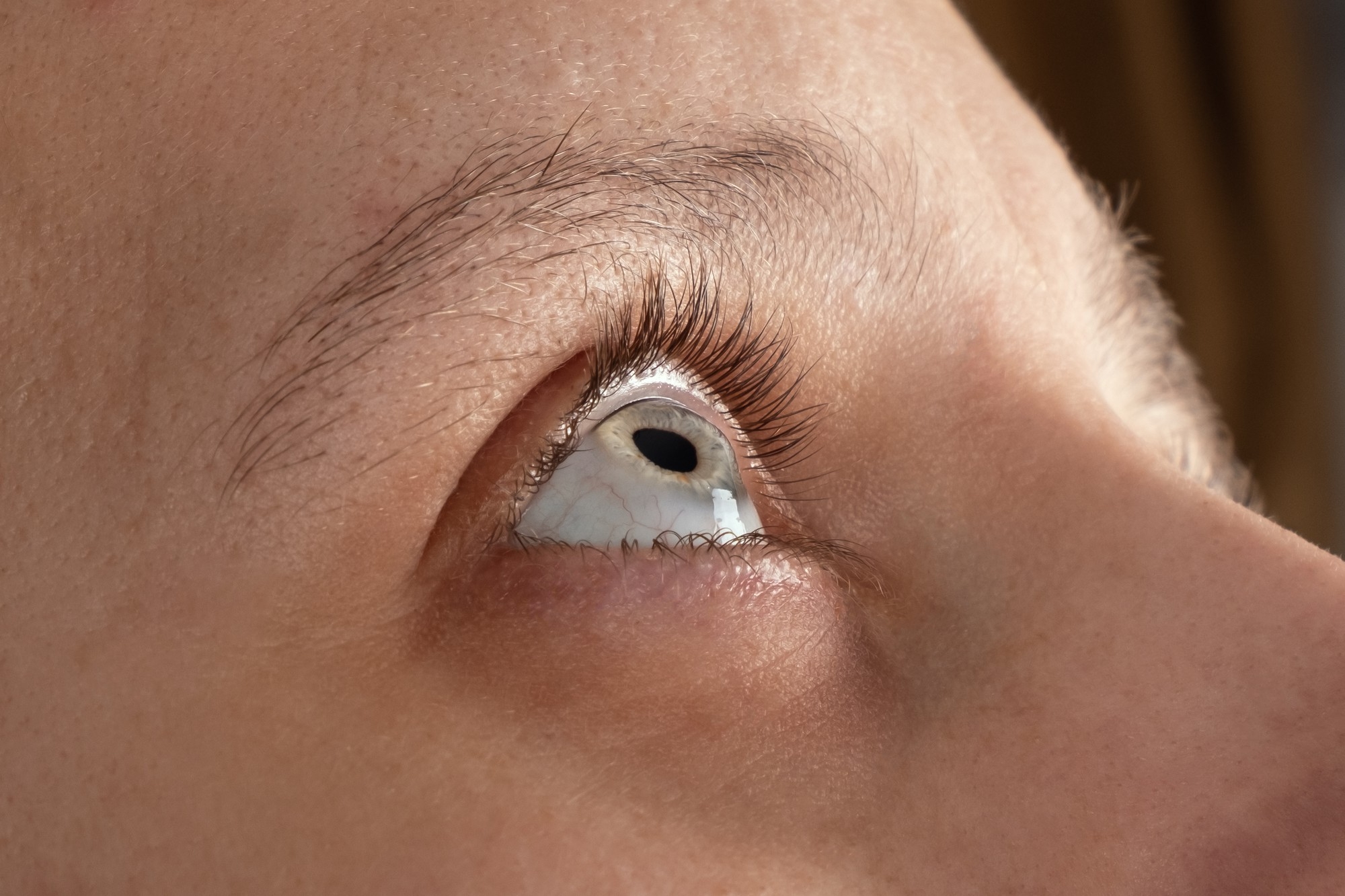
Close-up of an eye looking upward in bright light, showing the iris, lashes and eyebrow

What Is Evisceration of the Eye?

Evisceration of the eye differs from enucleation because the entire eyeball is not removed. Instead, the internal contents of the eye are removed while the sclera, the white outer shell of the eye, remains within the socket.

An orbital implant can then be placed within the remaining scleral shell to restore volume and support a future prosthetic eye. Because the eye muscles remain attached to the sclera, the implant can retain some movement.

Evisceration may be considered for selected patients with a painful non-seeing eye or severe, irreversible damage caused by trauma or disease. Whether it is appropriate depends on the underlying cause and the condition of the remaining eye structures.

As with enucleation, evisceration is only considered after a thorough specialist assessment. Certain conditions may make enucleation the more appropriate procedure, which is why determining the cause and extent of eye damage is essential to treatment planning.

Patient in a surgical cap undergoing laser eye surgery while a gloved practitioner holds the eye open

Enucleation vs Evisceration: What Are the Key Differences?

Both procedures remove damaged or diseased parts of the eye and can prepare the socket for a future prosthetic eye. However, the structures that are removed and retained differ significantly.

Enucleation Evisceration
What is removed?The entire eyeballThe internal contents of the eye
What remains?The eye socket and surrounding orbital structuresThe scleral shell with the eye muscles attached
Orbital implantUsually placed within the eye socketUsually placed within the remaining scleral shell
When may it be considered?Certain eye cancers, severe trauma and other selected conditionsPainful non-seeing eyes and selected cases of severe trauma or disease
Can a prosthetic eye be fitted?Yes, following sufficient healingYes, following sufficient healing

Neither enucleation nor evisceration is universally the better procedure. Each has specific indications, and the safest and most appropriate option depends on the condition affecting the eye and the patient’s individual anatomy and circumstances.

How Do Surgeons Choose Between Enucleation and Evisceration?

The decision between enucleation and evisceration is based primarily on the reason eye removal is being considered. Your surgeon will carefully assess the affected eye and surrounding structures before recommending either procedure.

Important considerations can include the extent and type of trauma, the presence or suspicion of an eye tumour, infection, the condition of the sclera and surrounding tissues, previous eye surgery and the overall health of the eye socket. Your surgeon will also consider the expected functional and cosmetic outcome following surgery.

For example, preserving the scleral shell may be possible and appropriate in some patients undergoing evisceration. In other circumstances, removing the entire eyeball through enucleation may be necessary to safely treat the underlying condition.

Patients are not expected to choose between these procedures themselves. A specialist oculoplastic assessment is essential to establish the cause and extent of the problem and determine the most appropriate surgical approach.

What Happens During Eye Removal Surgery?

Both enucleation and evisceration are typically performed under general anaesthetic. The exact surgical technique depends on the procedure and the reason the eye needs to be removed.

After removal of either the entire eye or its internal contents, an orbital implant is usually placed within the socket to restore volume and support a future prosthesis. A temporary transparent shell known as a conformer may then be placed beneath the eyelids to help maintain the shape of the socket during healing.

A dressing is usually applied following surgery, and your surgical team will provide detailed instructions about medication, wound care and what to expect during the initial recovery period.

Recovery After Enucleation or Evisceration

Some swelling, bruising, tenderness and discomfort around the eye socket are expected following either enucleation or evisceration. These symptoms are usually most noticeable early in recovery and gradually improve as the tissues heal.

You may be prescribed pain relief, antibiotics, eye drops or ointment depending on your individual needs. The temporary conformer typically remains in place during healing to support the socket and eyelids.

Follow-up appointments allow your surgeon to monitor the healing process and address any concerns. You will also receive personalised guidance about returning to work, exercise and other normal activities, as recovery times can vary depending on the procedure and your individual circumstances.


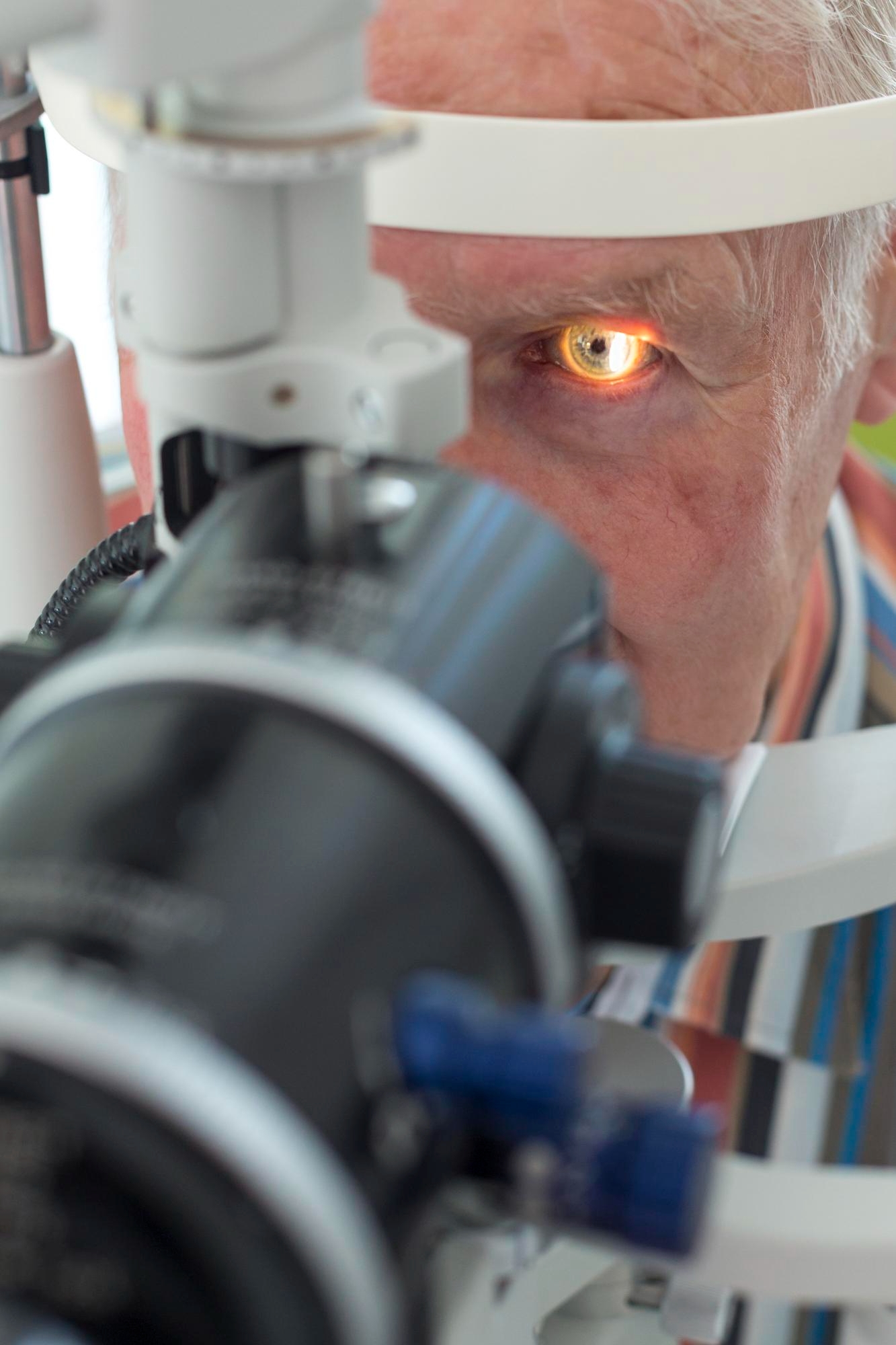
Elderly man having his eye examined with a slit lamp during an ophthalmology eye test

What Happens After Enucleation or Evisceration?

Once the eye socket has healed sufficiently, the process of creating a custom prosthetic eye can begin. This commonly takes place several weeks after eye removal surgery, although your surgeon will advise when the socket is ready based on your individual recovery.

A specialist ocularist takes an impression of the socket and carefully matches the colour, size and visible characteristics of the remaining natural eye. The finished prosthesis is then fitted and adjusted to achieve a comfortable and natural-looking result.

A prosthetic eye does not restore vision, but it can restore facial symmetry and provide a highly realistic cosmetic appearance. You can learn more about the fitting process, recovery and ongoing care in our guide to prosthetic eye surgery.

Close-up side profile of a man's hazel eye and face with a beard, looking to the side

Enucleation and Evisceration at The Ezra Clinic

Enucleation and evisceration require specialist expertise in the anatomy of the eye, eyelids, eye socket and surrounding structures. At The Ezra Clinic, our oculoplastic surgeons have extensive experience in orbital and reconstructive surgery, including managing complex cases involving severe eye disease, trauma, and eye removal.

Every recommendation is based on a detailed assessment of your individual condition, with careful consideration given to both the medical requirements of surgery and the eventual functional and aesthetic outcome. If eye removal surgery has been recommended or you would like to understand your treatment options, a specialist consultation provides an opportunity to discuss the most appropriate approach and what you can expect at each stage of treatment.

Book a consultation


Latest articles

Contact us

If you are interested in any of the treatments we offer, or require any clarifications, we would love to hear from you. We deal with all issues relating to the Harley Street and Moorfields practices. You can reach us by phone, by email or by filling out the contact form below.

This field is for validation purposes and should be left unchanged.
This field is hidden when viewing the form
Please tell us how you heard about us