


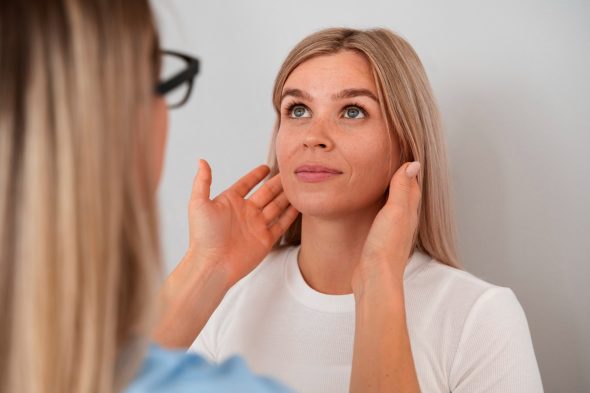
Expert Advice on How To Tighten Loose Skin Around Eyes Safely

Daniel Ezra, 24 April 2026

Loose skin around the eyes is one of the most common aesthetic concerns that patients bring to specialist clinics. Whilst many associate this issue solely with the natural ageing process, the reality is far more nuanced. Loose eyelid skin can result from genetics, progressive collagen loss, and underlying anatomical factors that vary significantly from person to person.

Overly aggressive treatments, whether surgical or non-surgical, can sometimes worsen the appearance rather than improve it, which is why expert assessment is essential.
In this article, we explain how to tighten loose skin around eyes safely, and how specialists determine whether surgical or non-surgical treatment is the right approach.

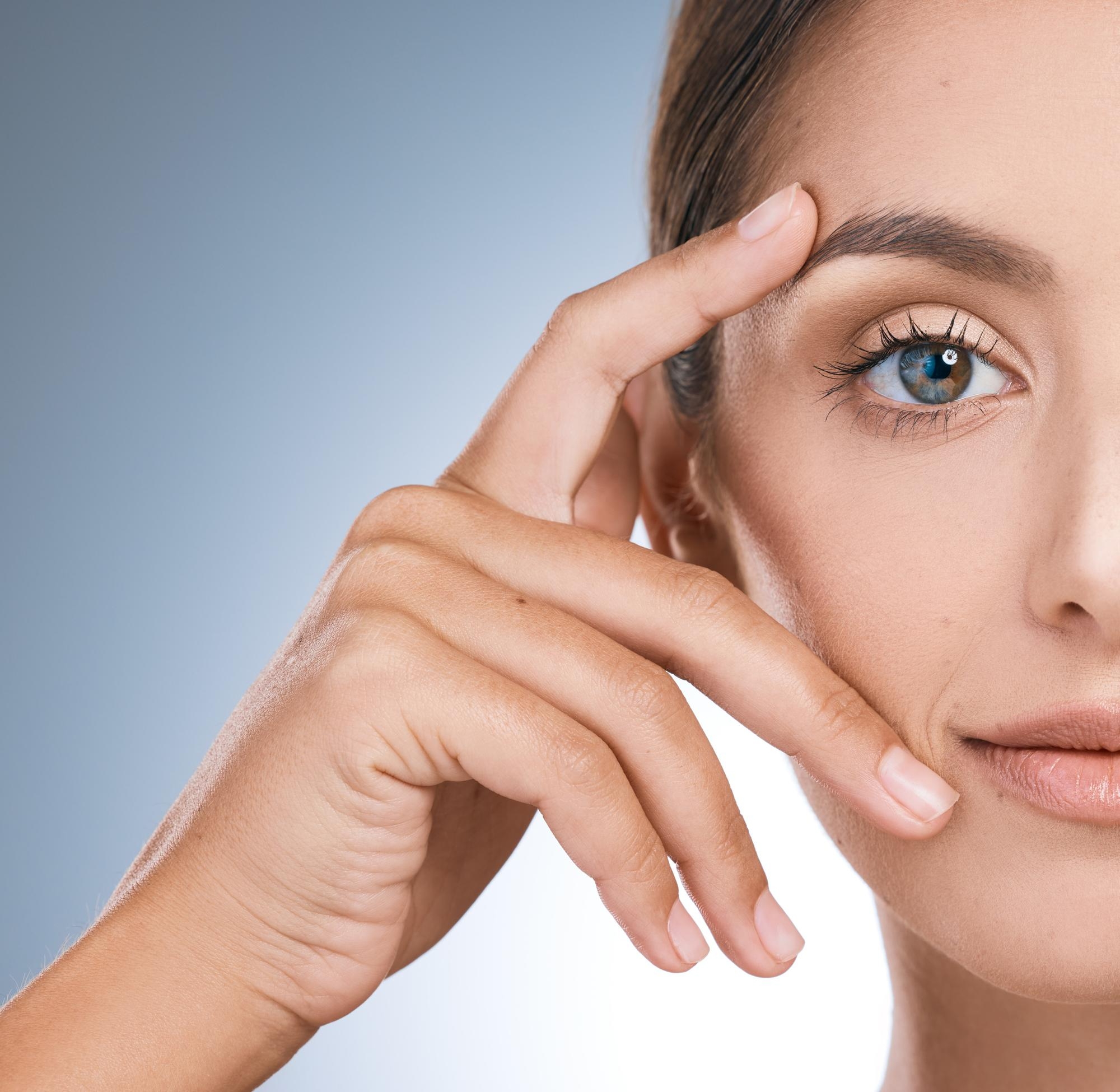
Half-face beauty portrait of a woman framing her eye and cheek with her hand against a soft blue background

What Causes Loose Skin Around the Eyes?

Understanding the underlying causes of loose eyelid skin is the first step towards choosing the most effective treatment. The delicate skin around the eyes is influenced by both intrinsic and extrinsic factors.

Ageing and collagen loss

Ageing remains the most common factor behind eyelid skin laxity. As we grow older, the body gradually produces less collagen and elastin, two proteins essential for maintaining skin firmness and resilience. This structural weakening is particularly noticeable in the eyelid area, where the skin is exceptionally thin. Without adequate collagen support, the skin becomes prone to sagging and developing a crepey texture.

Genetic predisposition

Genetics can play a significant role in determining how early loose eyelid skin develops. Inherited features such as eyelid thickness, overall skin quality, and fat distribution around the eyes all influence the ageing pattern of this area. Some individuals develop hooded eyelids or under-eye laxity in their thirties or forties, whilst others may not experience noticeable changes until much later.
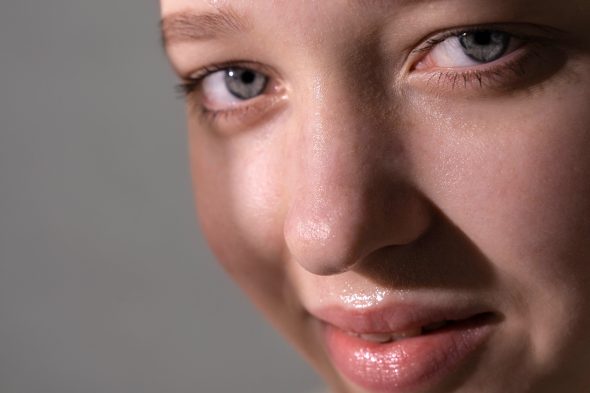
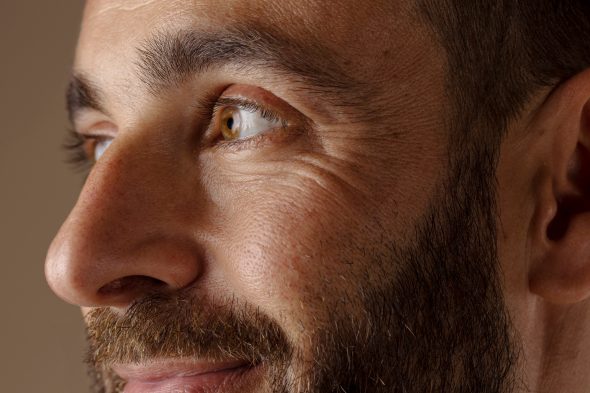
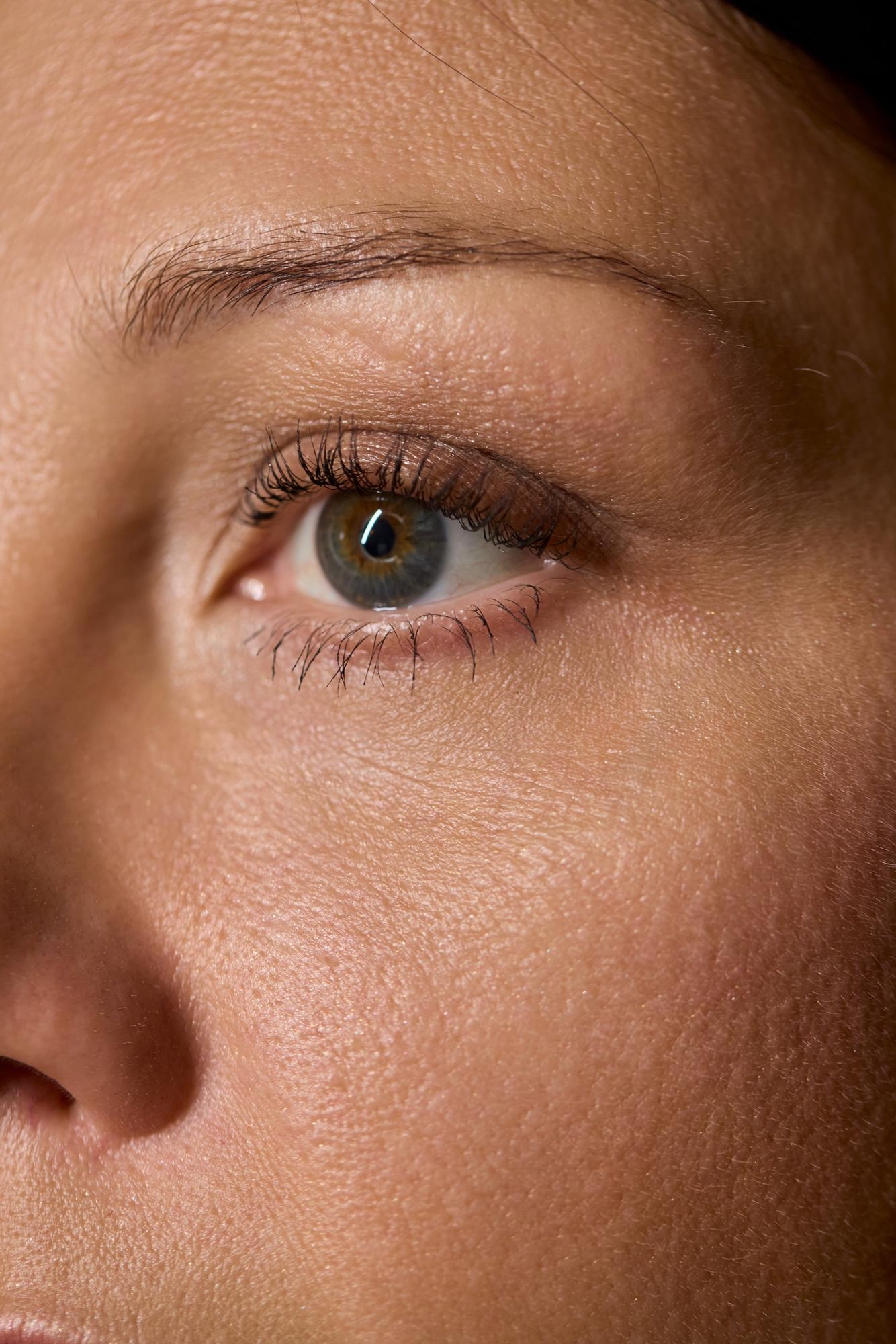
Extreme close-up of a woman’s eye and eyebrow showing natural skin texture

Repeated facial expressions

Every day facial movements such as smiling, squinting, and raising the eyebrows place repeated stress on the delicate eyelid skin. When the skin is young and resilient, it can easily recover from these movements. However, as elasticity diminishes with age, repeated folding in the same areas can contribute to visible laxity.

Sun exposure

Long-term ultraviolet exposure is one of the most significant contributors to the premature breakdown of collagen and elastin. The eyelid skin is particularly vulnerable to environmental ageing because of its exceptionally thin structure and constant exposure to the elements. Protecting the eye area from sun exposure remains one of the most effective preventative measures against premature skin laxity.

Volume loss and fat pad descent

Ageing affects not only the skin itself but also the structural support of the entire eye area. Over time, there is a gradual loss of volume in the fat pads that naturally cushion the eyes, and these fat pads may also shift downward due to weakening of the supporting ligaments. It is important to distinguish between true skin laxity and contour changes caused by fat descent or hollowing beneath the eyes, as these issues may require different treatment approaches.

Smiling woman with curly hair applying green under-eye patches in a skincare beauty portrait

The difference between skin laxity, fat prolapse, and muscle weakening

Accurate diagnosis is crucial when assessing loose skin around the eyes. What appears to be excess skin may actually be caused by protruding fat pads pushing the skin outwards, or by weakening of the underlying orbicularis muscle. True skin laxity involves redundant, sagging skin that lacks elasticity, whilst fat prolapse refers to fat bulging forward from its normal position. A specialist assessment is necessary to differentiate between these distinct anatomical issues.

How To Tighten Loose Skin Around Eyes: Why Assessment Comes First

When considering how to tighten loose skin around the eyes, it is essential to understand that not all cases are the same, and not all treatments are universally effective.

Why creams or laser treatments are not always sufficient

Topical creams and non-invasive laser treatments can improve skin quality, texture, and mild laxity. However, when there is true excess skin, these modalities have significant limitations. No cream can physically remove redundant tissue, and whilst lasers can stimulate collagen production and provide modest tightening, they cannot address moderate to severe skin overhang.

Skin quality versus excess skin

There is an important distinction between poor skin quality and actual excess skin. Skin quality refers to texture, tone, and elasticity, which can often be improved with non-surgical treatments. Excess skin is a structural issue where there is simply too much tissue for the available space.

Differences between upper and lower eyelids

The upper and lower eyelids have different anatomical structures and present different challenges. The upper eyelid is more commonly affected by true skin redundancy, which can create hooding. The lower eyelid is more prone to fat prolapse and volume changes, and skin laxity here is often secondary to these deeper structural issues.

Functional versus purely cosmetic concerns

Some cases of loose eyelid skin are purely cosmetic, whilst others have functional implications. Upper eyelid hooding can interfere with peripheral vision, making everyday tasks such as driving or reading more difficult. A specialist will assess both the cosmetic and functional aspects during consultation.

Signs That Loose Skin May Require Surgical Correction

Certain signs indicate that non-surgical treatments are unlikely to provide adequate improvement.

Overhanging upper eyelid

When the upper eyelid skin folds over itself and rests on the lashes, this is a clear indication of excess tissue that requires precise surgical removal.

Makeup smudging due to hooding

Many patients report that eyeshadow or eyeliner becomes difficult to apply or smudges throughout the day because of folded skin.

Visual field obstruction

When the overhanging skin encroaches on the visual field, particularly the superior and lateral fields, this is a functional issue that warrants intervention.

Persistent under-eye creasing

Deep creases or folds beneath the eyes that do not improve with skincare or minimally invasive treatments may indicate structural laxity or fat prolapse that requires surgical correction.

Portrait of a blonde woman resting her face on her hand against a light blue background

Blepharoplasty: The Gold Standard for Removing Excess Eyelid Skin

Blepharoplasty is the surgical procedure designed to address excess eyelid skin and restore a more youthful, refreshed appearance.

Upper blepharoplasty involves the removal of excess skin and, when necessary, a small amount of fat from the upper eyelid. Lower blepharoplasty targets under-eye bags, fat repositioning, and in some cases, skin tightening.

During blepharoplasty, the surgeon carefully measures and marks the amount of skin to be removed. The incisions are placed within the natural creases of the eyelid to ensure minimal visible scarring. Excess skin is excised with precision, and the wound is closed with fine sutures.

  • Natural-looking rejuvenation: The hallmark of expertly performed blepharoplasty is a natural, refreshed appearance rather than an overtightened look. The eyes should appear brighter and more open, but the overall facial expression should remain harmonious.
  • Functional improvement: In cases where excess upper eyelid skin has been obstructing vision, patients often experience a significant improvement in their peripheral visual field following surgery.
  • Long-lasting results: Blepharoplasty provides long-lasting results, often enduring for a decade or more. Whilst the ageing process continues, the improvements achieved through surgery are typically permanent.
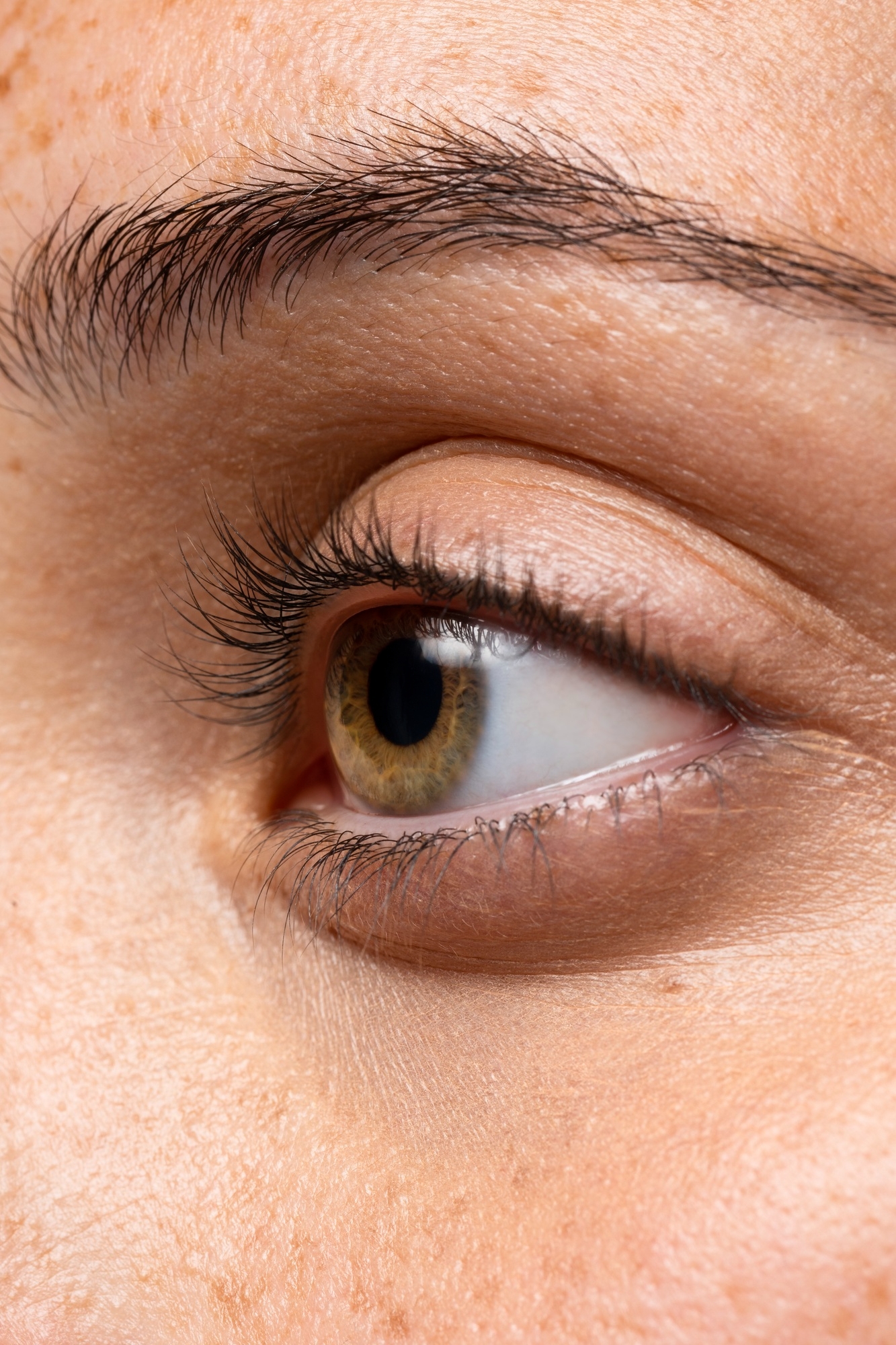
Macro shot of a hazel eye with long eyelashes and detailed skin texture

Upper vs Lower Blepharoplasty – What Is the Difference?

Upper blepharoplasty focuses on removing excess skin from the upper eyelid that may cause hooding or visual obstruction. It primarily addresses loose skin and, in some cases, small fat deposits. Often improves both appearance and peripheral vision.

Lower blepharoplasty targets under-eye bags, fat prolapse, and, in some cases, skin laxity. May involve fat repositioning rather than removal to avoid hollowing. Can be performed via a transconjunctival (scarless) approach or with a fine external incision if skin tightening is required.

It is important to emphasise that the two procedures address different anatomical concerns and require tailored surgical planning.

Safety Considerations in Eyelid Surgery

The eyelids are delicate, functional structures that protect the eye and maintain proper lubrication. Over-removal of skin can lead to complications such as incomplete eyelid closure or dryness. Precise measurement and conservative tissue removal are essential.

Preservation of eyelid support structures is critical to avoid pulling or distortion. Surgeon experience in periocular anatomy significantly reduces risk. Eyelid surgery is not just cosmetic refinement, it requires specialist anatomical expertise.

Close-up of half a woman’s face touching the skin near her eye against a beige background

Why Choosing an Oculoplastic Specialist Matters

The eye and surrounding structures are amongst the most anatomically complex regions of the body. A deep understanding of periocular anatomy is essential for achieving safe and aesthetically pleasing results.

Eyelid surgery must balance aesthetic improvement with the preservation of essential functions such as blinking, tear distribution, and eye protection.

Removing too much skin or fat can result in complications such as lagophthalmos, ectropion, or a hollowed appearance. Conservative surgical technique is key to avoiding these issues.

Achieving natural-looking results requires subtle aesthetic judgement. An oculoplastic specialist understands the nuances of eyelid contour and symmetry.

Blepharoplasty at The Ezra Clinic in London

At The Ezra Clinic, every patient begins with a thorough and individualised assessment to determine the most appropriate treatment approach. The focus is on achieving conservative, natural-looking results that refresh the appearance without creating an artificial or overcorrected look.

Rather than pursuing excessive tightening, the goal is to restore harmony across the face whilst preserving natural eyelid function. All procedures are performed in a state-of-the-art surgical environment that prioritises safety, precision, and patient care.

Daniel Ezra’s Specialist Expertise in Eyelid Surgery

Daniel Ezra has undergone specialist blepharoplasty training, combining expertise in ophthalmology and plastic surgery to treat the delicate structures around the eyes. His practice focuses exclusively on eyelid and periocular surgery, allowing for a high level of precision and refinement.

Having performed thousands of procedures throughout his career, he is widely recognised for delivering subtle, natural results that enhance the appearance whilst preserving each patient’s unique expression.


Latest articles

Contact us

If you are interested in any of the treatments we offer, or require any clarifications, we would love to hear from you. We deal with all issues relating to the Harley Street and Moorfields practices. You can reach us by phone, by email or by filling out the contact form below.

This field is for validation purposes and should be left unchanged.
This field is hidden when viewing the form
Please tell us how you heard about us