
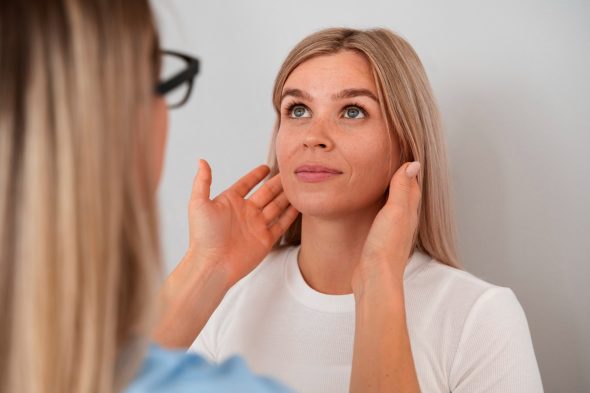
Finding the Best Treatment for Crepey Skin

Daniel Ezra, 10 March 2026

Crepey skin is a common concern that many people notice as they age, particularly in areas where the skin naturally thins and becomes more delicate. It often looks loose, fine-textured, and slightly wrinkled, resembling crepe paper. While it is not harmful, it can make the skin appear older, tired, or less firm, which is why so many people seek solutions for improving it.

Crepey skin can develop for several reasons, including natural ageing, dehydration, sun exposure, hormonal shifts, and gradual collagen loss. In many cases, it is not caused by a single factor but by a combination of skin changes over time.

In this article, we explore the root causes of crepey skin and guide you towards the best professional treatment options.

Woman with closed eyes gently touching her face showing healthy glowing skin.

What Is Crepey Skin?

Crepey skin refers to a thin, loose and wrinkled texture that resembles crĂŞpe paper in both appearance and feel. Unlike typical wrinkles, which tend to form along expression lines or areas of repeated movement, crepey skin affects larger surface areas and is associated with a loss of structural support beneath the skin.

It also differs from simple dryness, which can usually be improved with moisturisation alone. Crepey skin involves changes to the dermis, where collagen and elastin fibres have weakened or diminished, leading to a loss of firmness and elasticity.

The most commonly affected areas include the delicate skin under the eyes, the neck, décolletage, upper arms, hands and knees. These areas tend to have thinner skin to begin with, making them more vulnerable to the structural changes that contribute to a crepey appearance.

What Causes Crepey Skin?

Understanding the causes of crepey skin is essential for determining the most effective treatment approach. In most cases, crepey skin develops due to a combination of internal and external factors rather than a single cause.

  • One of the primary contributors is the natural loss of collagen and elastin that occurs with ageing. As we grow older, the skin produces less of these vital structural proteins, leading to reduced firmness and elasticity.
  • Dehydration and a weakened skin barrier also play a significant role, as the skin loses its ability to retain moisture effectively.
  • Sun damage and ultraviolet exposure are among the most preventable yet damaging causes, as ultraviolet rays break down collagen fibres and accelerate the ageing process.
  • Weight loss, particularly when rapid, can reduce skin firmness and contribute to a loose, crepey texture.
  • Hormonal changes, particularly during menopause, can lead to a decline in oestrogen levels, which in turn affects skin thickness and moisture retention.
  • Lifestyle factors such as smoking, chronic stress, poor sleep and inadequate nutrition further compound these effects by limiting the skin’s ability to repair and regenerate.

In summary, crepey skin usually has multiple causes, which is why a combined approach is often best.
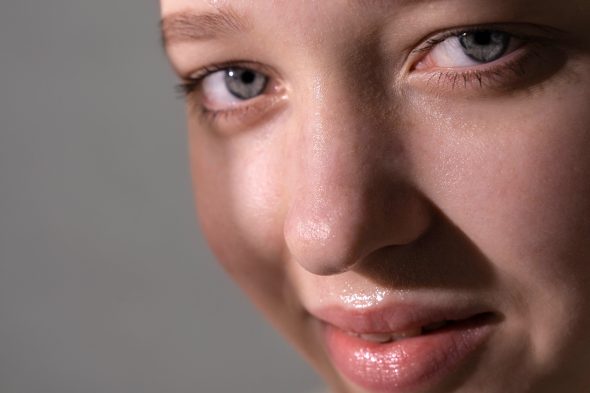
Close up of a woman with glossy lips touching her shoulder showing smooth skin.

Best Treatment for Crepey Skin: What Actually Works?

When it comes to treating crepey skin, there is no universal solution that works for everyone. The best treatment depends on the quality of your skin, the severity of the texture changes, and the specific area being treated.

For example, the skin on the neck may require a different approach than that on the hands or under the eyes. This is why a professional assessment is so valuable. A qualified practitioner can evaluate your skin in detail, identify the underlying causes of the crepey texture, and recommend a treatment plan tailored to your needs.

Among the most effective options available today, Profhilo stands out as one of the most successful treatments for improving crepey texture. Its unique ability to hydrate the skin from within whilst stimulating collagen and elastin production makes it particularly well-suited to addressing the root causes of crepey skin.

Which Treatment Is Best Depends on the Root Cause

Choosing the right treatment requires understanding what is driving the changes in your skin.

  • If dehydration is the main issue, treatments such as Profhilo or skin boosters can restore moisture levels and improve skin quality from within.
  • If laxity and looseness are more prominent, radiofrequency microneedling or other skin-tightening treatments may be recommended to stimulate collagen production and firm the tissue.
  • If sun damage is significant, laser treatments or resurfacing procedures can help to repair damaged skin and encourage regeneration.
  • If volume loss is the main issue, dermal fillers can be combined with skin quality treatments to restore both structure and texture.

A thorough consultation will help determine which treatment combination is most appropriate for your individual concerns.

Close up of smooth hydrated skin on a woman's leg and arm with water droplets.

Lifestyle Changes That Can Improve Crepey Skin

Whilst professional treatments offer the most dramatic results, certain lifestyle changes can support skin health and improve the appearance of crepey skin over time.

Staying well hydrated and ensuring adequate protein intake support the skin’s ability to repair and maintain its structure. Prioritising sleep and managing stress levels allows the body to regenerate more effectively, which is essential for healthy skin function. Avoiding smoking is one of the most impactful changes you can make, as smoking accelerates collagen breakdown and restricts blood flow to the skin. Sun protection and limiting ultraviolet exposure are vital for preventing further damage and preserving the skin’s structural integrity.

For those experiencing hormonal changes, particularly during menopause, seeking appropriate support can help to mitigate some of the skin-related effects associated with declining oestrogen levels.

Profhilo: A Leading Option for Crepey Skin

Profhilo is a stabilised hyaluronic acid injectable treatment that has quickly become one of the most sought-after options for improving crepey skin. It is important to note that Profhilo is not a dermal filler. Unlike fillers, which add volume to specific areas, Profhilo works through a process known as bio-remodelling.

Once injected into the skin, it spreads evenly beneath the surface, delivering deep hydration and stimulating the production of collagen and elastin. This dual action makes it particularly effective for treating areas with a crepey texture, as it addresses both the lack of moisture and the loss of structural support that contribute to the condition.

Why Profhilo Works So Well for Crepey Skin

Profhilo works so well for crepey skin because it delivers deep hydration from within the skin, rather than relying on topical products that only reach the surface. This internal hydration plumps the skin and improves its overall texture.

At the same time, Profhilo stimulates collagen and elastin production, helping rebuild the skin’s structural framework over time. The result is an improvement in overall skin quality rather than simply adding volume. This makes Profhilo particularly suitable for delicate or thin skin areas where traditional fillers may not be ideal or may even look unnatural.

What Areas Can Profhilo Treat?

Profhilo can be used to treat a wide range of areas affected by crepey skin. It is commonly used on the face, where it can improve skin quality across the cheeks, jawline and forehead. It is also highly effective on the neck, one of the most common areas where crepey texture develops. The décolletage, hands, inner arms and knees can all be treated with Profhilo, making it a versatile option for body rejuvenation as well as facial concerns.

It is worth noting that suitability depends on the individual and their specific skin condition, so a consultation is always recommended before proceeding with treatment.

Side profile portrait of a woman with smooth glowing skin and minimal makeup.

Other Professional Treatments for Crepey Skin

Whilst Profhilo is a leading option, several other professional treatments can be effective for crepey skin, depending on the underlying cause and the area being treated.

Polynucleotides

Polynucleotides are a regenerative treatment designed to support skin repair and improve elasticity. They work by encouraging cellular regeneration and promoting healthier skin tissue. Polynucleotides are often recommended for delicate areas such as the under-eyes, where traditional treatments may be too aggressive or unsuitable for the thin skin.

Skin Boosters

Skin boosters are hydration-focused injectable treatments that deliver hyaluronic acid into the skin to improve moisture levels and overall texture. They are best suited for mild crepey texture and dullness, and work well as part of a preventative or maintenance programme.

Dermal Fillers

Dermal fillers can be helpful when crepey skin is linked to volume loss, particularly in areas such as the cheeks or temples. However, fillers are not always ideal for very thin or loose skin, as they may not address the underlying texture issues and can sometimes appear unnatural if not used appropriately.

Close up of a woman's hand resting on her shoulder highlighting smooth healthy skin.

How to Find the Best Treatment for Crepey Skin

Crepey skin is a complex concern with multiple contributing factors, which is why professional treatment is often needed to achieve meaningful and lasting results. Profhilo stands out as one of the best options for improving crepey skin due to its ability to deliver deep hydration and stimulate bio-remodelling within the skin.

However, the most effective approach is often personalised, combining treatments tailored to your unique skin concerns and goals. A thorough consultation with an experienced practitioner is the best way to identify the right treatment plan for you.

Why Choose The Ezra Clinic for Crepey Skin Treatments

The Ezra Clinic is a medically-led clinic with an advanced understanding of skin ageing and the delicate treatment areas most commonly affected by crepey texture. The clinic is led by highly experienced medical professionals who possess a strong understanding of facial anatomy, skin ageing and advanced injectable techniques.

This expertise ensures that every treatment is delivered safely, effectively and with a focus on natural-looking results. Personalised treatment plans are at the heart of what The Ezra Clinic offers, with combination options including polynucleotides, skin boosters, or radiofrequency microneedling, all tailored to your skin’s individual needs.


Latest articles

Beauty portrait of a woman with long brown hair, glowing skin, and small stud earrings looking toward the camera.

From Genetics to Lifestyle: Why Do I Have Dark Circles Under My EyesBlog post template

Daniel Ezra Blog

View Post

Contact us

If you are interested in any of the treatments we offer, or require any clarifications, we would love to hear from you. We deal with all issues relating to the Harley Street and Moorfields practices. You can reach us by phone, by email or by filling out the contact form below.

This field is for validation purposes and should be left unchanged.
This field is hidden when viewing the form
Please tell us how you heard about us