How Blepharoplasty Surgery Works (Step-by-Step Guide)

Daniel Ezra, 12 August 2026

If you are considering blepharoplasty, you may already know what the surgery can achieve, but feel less certain about what actually happens during the procedure. Eyelid surgery is carefully planned around the individual anatomy of the eyes and eyelids, and the process differs depending on whether the upper eyelids, lower eyelids or both are being treated. This step-by-step guide explains how blepharoplasty surgery works, from preparing for your procedure to the early stages of recovery.

Book a consultation

Beauty portrait of a young woman with both hands framing her face against a white background

Types of Eyelid Surgery

The Ezra Clinic offers specialised eyelid surgery options, including upper and lower eyelid surgery, to address the unique needs of our patients.

As the best blepharoplasty surgeons in the UK, The Ezra Clinic’s specialists ensure the results are both natural and harmonious with your facial structure, enhancing your overall appearance.

Upper Eyelid Surgery

Upper eyelid surgery, or upper blepharoplasty, is designed to remove excess skin and fat from the upper eyelids. This procedure is perfect for those who feel their eyes look tired due to sagging skin that creates a hooded appearance. It can significantly improve vision when drooping skin obscures sight.

Lower Eyelid Surgery

Lower eyelid surgery, or lower blepharoplasty, focuses on removing under-eye bags that give a persistently tired look. This procedure often involves removing or repositioning fat to eliminate puffiness and reduce dark circles. Under-eye bag surgery ensures smooth transitions between the lower eyelid and the cheek, restoring a youthful contour to the eye area.

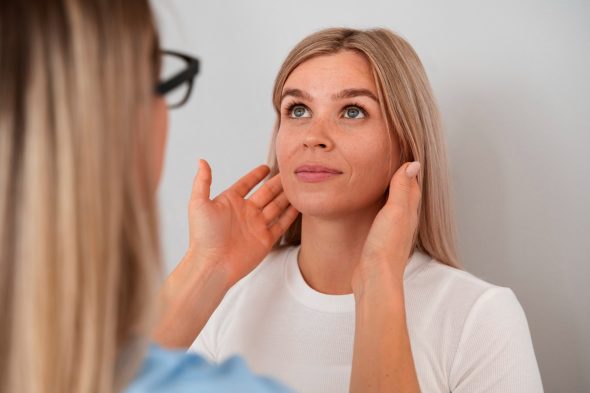
Half-face portrait of a blonde woman touching the corner of her eye against a white background

How Does Blepharoplasty Surgery Work?

Blepharoplasty works by carefully removing or repositioning excess skin, muscle and fat around the eyelids to improve their contour and appearance. Rather than simply removing as much excess tissue as possible, the surgical approach is planned according to your individual eyelid anatomy and the specific concerns being treated.

Upper blepharoplasty typically addresses excess or drooping tissue in the upper eyelids. Lower blepharoplasty may involve more complex management of fat, skin and other tissues to improve under-eye bags and restore smoother contours beneath the eyes.

The exact technique varies from patient to patient, but the process generally involves careful preparation, precise surgical planning, and an individually tailored approach to treating the upper or lower eyelids.

Step 1: Preparing for Eyelid Surgery

Preparing correctly for blepharoplasty is an important part of the surgical process. Before your procedure, your surgeon will review your medical history, including any medications you take, known allergies, smoking habits and previous surgeries. This helps the surgical team plan your procedure and identify any factors that may affect surgery or recovery.

If you are having eyelid surgery under local anaesthesia with sedation or general anaesthesia, you may be asked to fast for seven hours before your procedure. This means avoiding food, water and chewing gum during the specified period. You should always follow the individual fasting instructions provided by your surgical team.

Certain medications, including aspirin and some anti-inflammatory medicines, may need to be discontinued for two weeks before surgery. However, you should never stop essential medication without medical advice. If a medicine is required to manage a heart condition or another medical concern, your specialists can discuss the safest approach with the relevant healthcare professional.

You may also be advised to stop smoking for an agreed period before and after surgery, as smoking can affect the healing process. On the day of your procedure, you should arrive without make-up or skincare products applied to the treatment area.

You will also need to arrange your journey home after surgery. A friend or family member should accompany you to help ensure you can return home safely and comfortably.

Beauty portrait of a woman touching her eyebrow with a monstera leaf in the background

Step 2: What Happens During Blepharoplasty?

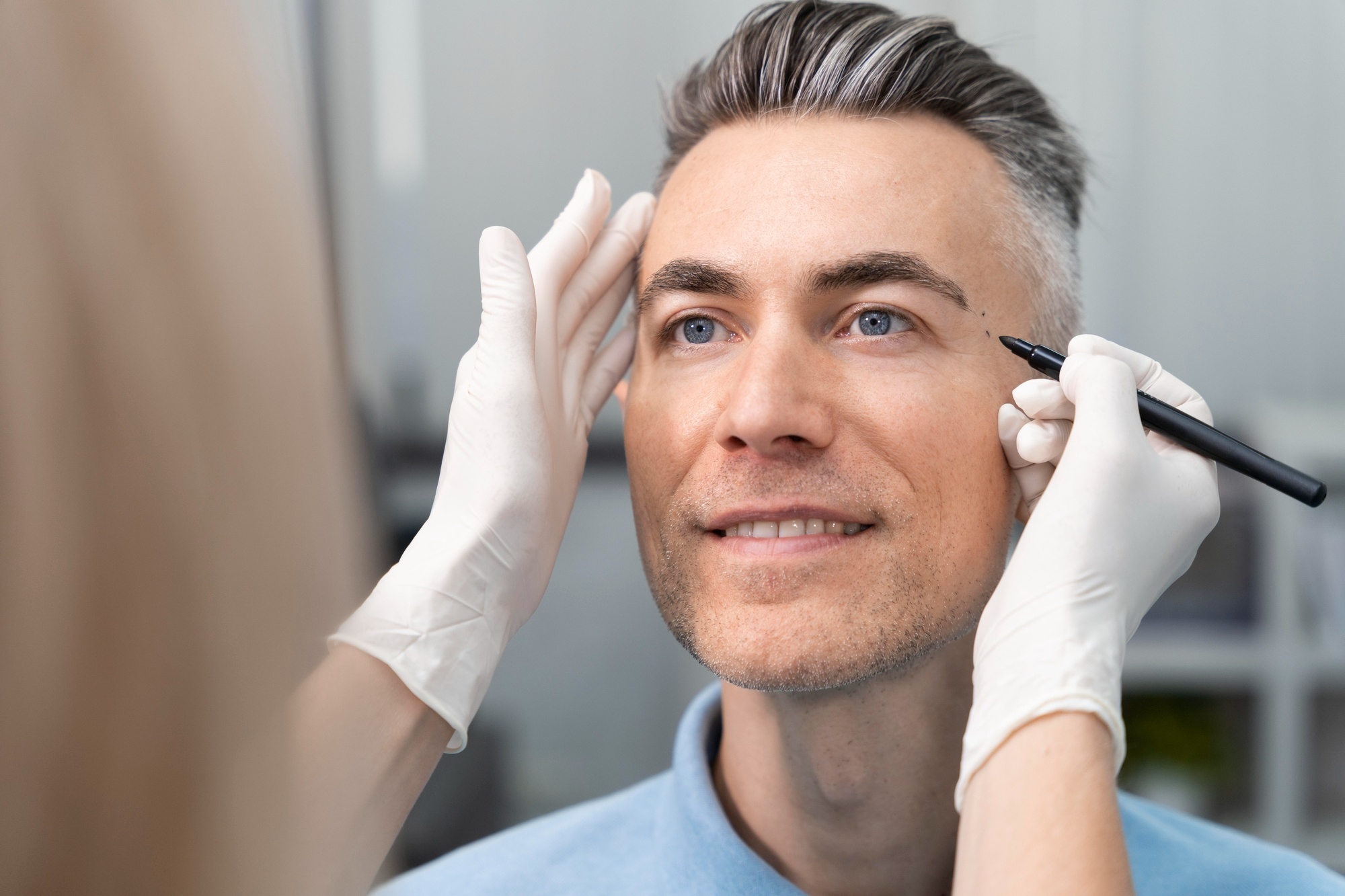
The precise steps involved in blepharoplasty depend on the area being treated. Before surgery begins, careful markings are made to guide incision placement and identify the tissues to be addressed.

Upper Eyelid Blepharoplasty

Upper eyelid blepharoplasty begins with precise surgical markings. These help the surgeon carefully plan the incision positions and the amount of tissue to be treated.

During surgery, excess skin, muscle and fat may be carefully removed or repositioned. In some patients, fat can be repositioned to address upper eyelid hollowness and create a smoother, more balanced contour. The aim is to improve the appearance of the upper eyelids while maintaining a natural relationship between the eyelids, eyes and surrounding facial structures.

Once the necessary tissue has been treated, the incisions are carefully closed. Removable or hidden dissolvable stitches may be used, which naturally absorb into the skin and do not require suture removal. Sometimes, the wounds can be glued, and this falls away in the days after surgery.

Lower Eyelid Blepharoplasty

Lower eyelid blepharoplasty is often a more intricate procedure because under-eye bags and contour changes can involve skin, fat and the tissues supporting the lower eyelid.

One surgical approach involves making an incision just below the lash line, extending slightly beyond the outer corner of the eye. Through this incision, excess tissue can be carefully removed or repositioned to improve prominent under-eye bags and create a smoother contour. This is called an external approach blepharoplasty.

For some patients, particularly younger people whose main concern is prominent fat bulges beneath the eyes, a transconjunctival approach may be more appropriate. With this technique, the incision is made on the inside of the lower eyelid. As there is no external skin incision, the procedure leaves no visible external scar.

The method used to close the surgical area depends on the technique performed. Removable sutures or specialist surgical glue may be used following lower eyelid surgery. Your surgeon will select the closure method most appropriate for your procedure.

Fat Repositioning

We are often asked whether fat is repositioned. The answer is, most definitely. The philosophy and approach in our clinic is to preserve tissue as much as possible. The fat from the bags can be moved into the surrounding hollowed areas to improve the result, and we always try to achieve this. In some patients, where the fat is especially firm or lumpy, this may not be possible.

Step 3: What Happens Immediately After Blepharoplasty?

Immediately after blepharoplasty, your vision may feel slightly blurred. This can occur because a thick antibiotic ointment is applied to protect the ocular surface from drying out. You may be asked to continue applying this ointment to the eyes and surgical wounds several times a day during the early healing period.

Artificial tear drops may also be prescribed to relieve dryness and help keep the eyes comfortable as they recover.

You will usually be able to get up and move around by the evening of your surgery or the following morning. Swelling and bruising are normal after blepharoplasty, although the extent of these effects varies considerably between patients and may differ depending on whether upper, lower or combined eyelid surgery has been performed.

Before you go home, you will receive individual aftercare instructions on caring for your eyes and surgical wounds. Following these instructions carefully can support the healing process and help you understand what to expect during your blepharoplasty recovery.

What Results Can You Expect After Blepharoplasty Surgery?

The results of blepharoplasty gradually become clearer as swelling and bruising settle, and the eyelids continue to heal. The changes you notice will depend on the type of eyelid surgery performed and the concerns addressed during your procedure.

Upper blepharoplasty can reduce excess or drooping eyelid tissue and create a smoother, more defined upper eyelid contour. Lower blepharoplasty can improve prominent under-eye bags and restore a smoother transition between the lower eyelids and surrounding facial structures.

Following surgery, the eye area may appear more rested, refreshed and alert. However, blepharoplasty should not fundamentally change the character of your eyes or create an artificial appearance. Careful surgical planning aims to achieve results that complement your individual facial anatomy and maintain natural balance.


Surgeon in white gloves marking a male patient's eyelid with a pen before blepharoplasty surgery

Blepharoplasty Surgery at The Ezra Clinic

The eyelids are delicate structures with an important role in protecting the eyes and supporting healthy eye function. Blepharoplasty therefore requires a detailed understanding of both eyelid anatomy and the relationship between the eyelids and surrounding facial structures.

At The Ezra Clinic, blepharoplasty surgery is individually planned based on your eyelid anatomy, tissue distribution, and specific concerns. Our specialist oculoplastic surgeons select the surgical approach based on whether you are affected by upper eyelid excess, under-eye bags, hollowness or a combination of concerns.

We always ensure that the results are natural, and this is something that our clinic is well known for. Other people will see you as having a refreshed, brighter and less tired appearance but never be able to tell if you have had surgery.

If you are considering blepharoplasty, a specialist consultation can help you understand which surgical approach may be appropriate for your eyes and what you can realistically expect from the procedure.

Beauty portrait of a young woman with both hands framing her face against a white background

Book a Consultation

If you are interested in any of the treatments we offer, or require any clarifications, we would love to hear from you. We deal with all issues relating to the Harley Street and Moorfields practices. You can reach us by phone, by email or by filling out the contact form below.

This field is for validation purposes and should be left unchanged.
This field is hidden when viewing the form
Please tell us how you heard about us

Latest articles

Close-up of eye drops being applied to a woman's open eye from a blue dropper bottle

What Is a Chalazion? Symptoms, Causes and Everything You Need to Know

Daniel Ezra Blog

View Post
Young woman with natural curly hair and glowing skin touching her face against a brown background

What is Ptosis (Droopy Eyelid)? Symptoms, Causes and Treatment Explained

Daniel Ezra Blog

View Post

Contact us

If you are interested in any of the treatments we offer, or require any clarifications, we would love to hear from you. We deal with all issues relating to the Harley Street and Moorfields practices. You can reach us by phone, by email or by filling out the contact form below.

This field is for validation purposes and should be left unchanged.
This field is hidden when viewing the form
Please tell us how you heard about us