

How Long Does Facial Fat Transfer Last?

Daniel Ezra, 8 September 2026

Facial fat transfer can provide long-lasting facial volume, with the fat that successfully establishes itself potentially remaining for many years. However, not all initially transferred fat survives, as some is naturally reabsorbed during the healing process.

For this reason, the volume seen immediately after treatment is not the final result. In this article, we explain how long facial fat transfer can last, what happens to the transferred fat over time and which factors can influence the longevity of your results.

Beauty portrait of two women with curly hair and radiant skin leaning close together against a warm beige background

Is Facial Fat Transfer Permanent?

Facial fat transfer is often described as a permanent treatment, but this can be slightly misleading. During the first few months after the procedure, some transferred fat is naturally reabsorbed, while the fat cells that establish a blood supply can remain in the treated area long term.

Once established, these fat cells behave similarly to fat elsewhere in your body. This means the results can last for many years, but your face will still continue to change as part of the natural ageing process. Significant changes in body weight can also affect the volume of transferred fat.

How Much Fat Survives After Facial Fat Transfer?

It is normal for some transferred fat to be reabsorbed after facial fat transfer. The amount that survives varies between patients, so it is not possible to guarantee a specific percentage of fat retention.

Several factors can influence fat survival, including how the fat is harvested and prepared, where it is transferred, the injection technique used, and your individual healing response. Transferred fat needs an adequate blood supply in its new location to survive long-term.

That is why facial fat transfer requires careful planning and precise technique, not simply transferring as much fat as possible.
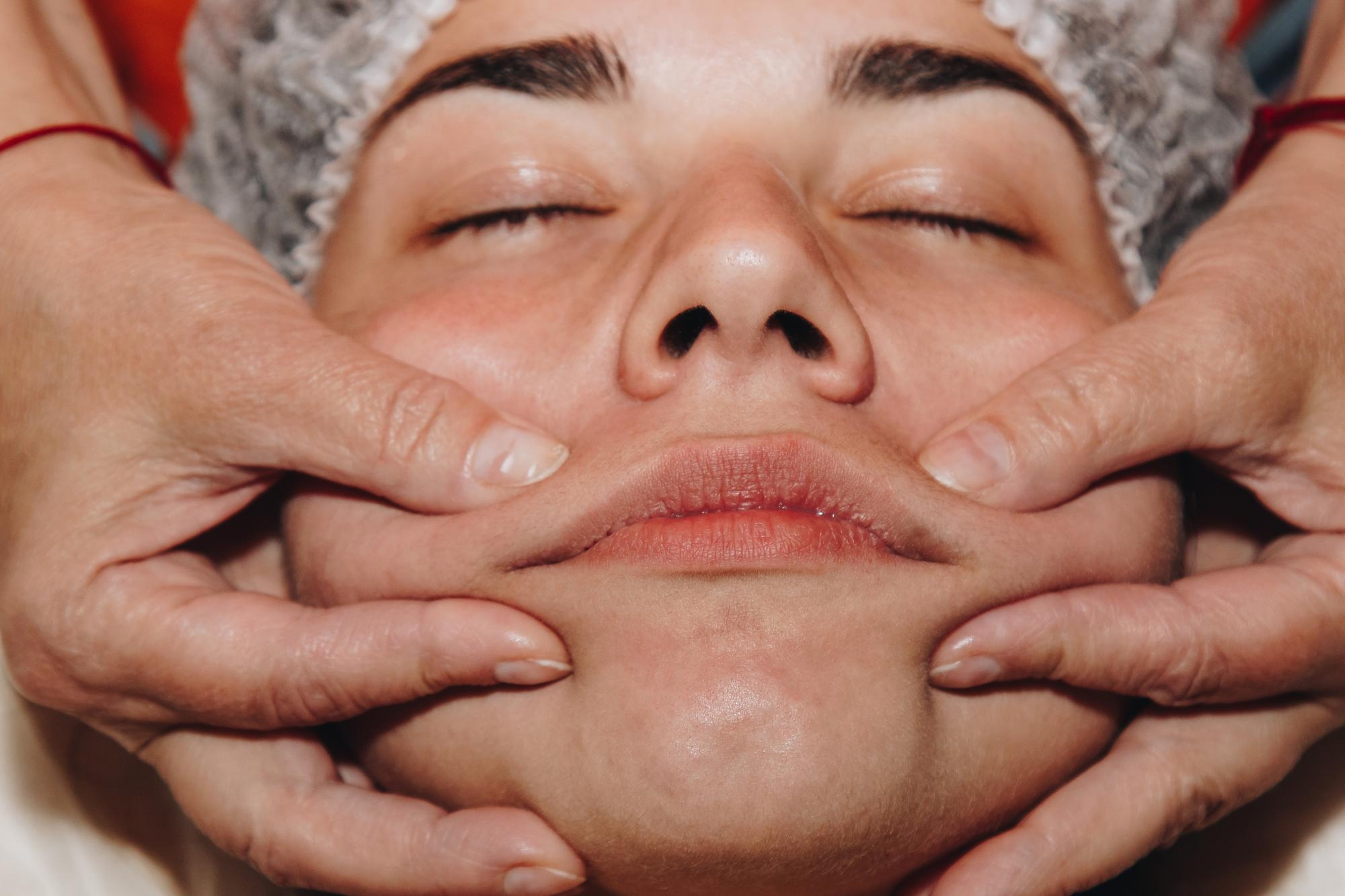
Close-up of a woman receiving a facial massage as a therapist's hands work along her jaw and cheeks

When Do Facial Fat Transfer Results Become Final?

Facial fat transfer results develop gradually. Immediately after the procedure, the treated areas will look fuller, but some of this initial volume comes from swelling rather than the transferred fat itself.

During the first few weeks, bruising and swelling gradually subside. At the same time, some of the transferred fat will be naturally reabsorbed while the surviving fat begins to establish itself within the surrounding tissues.

The appearance continues to settle over the following months. Your surgeon will usually wait until healing is sufficiently advanced before assessing the final volume and determining whether additional treatment may be beneficial.

What Affects How Long Facial Fat Transfer Lasts?

No single factor determines how long facial fat transfer will last. The longevity of the result depends on the procedure itself and how your body responds during and after healing.

Studio beauty portrait of a blonde woman with a straight bob and clear skin against a blue-grey background

Surgical Technique

How fat is harvested, prepared, and transferred can influence how successfully it establishes itself. Gentle handling of the fat and precise placement into appropriately selected areas are key to achieving predictable, long-lasting results.

Treatment Area

Fat survival can vary depending on where it is transferred. Different areas of the face have different tissue characteristics, movement and blood supply, which can influence how the transferred fat settles and survives.

The amount and distribution of fat required will therefore be planned according to the anatomy of each treatment area.

Your Body and Healing

Every patient heals differently. Individual factors such as blood supply, metabolism and the body’s natural healing response can influence how much transferred fat successfully establishes itself.

This variation is one reason why the final outcome cannot be predicted precisely before treatment.

Weight Changes and Ageing

Once transferred fat has established itself, it behaves similarly to other fat cells in the body. Significant weight loss may reduce the volume of the transferred fat, while weight gain can cause the cells to increase in size.

Facial fat transfer also does not stop the ageing process. Changes to the skin, soft tissues and underlying facial structures will continue over time, even when the transferred fat remains present.

Can You Make Facial Fat Transfer Last Longer?

You cannot completely control how much transferred fat survives, but supporting the healing process may help create the best conditions for recovery. Following your surgeon’s aftercare instructions carefully is particularly important during the first weeks after treatment.

Maintaining a relatively stable weight can also help preserve the appearance of your results over time. Smoking should be avoided as advised by your surgeon, as it can interfere with blood supply and normal healing. Protecting your skin from excessive sun exposure and maintaining good overall skin health can also support your facial appearance as you age.

Even with careful aftercare, however, some fat absorption is a normal and expected part of facial fat transfer.

Will I Need a Facial Fat Transfer Top-Up?

Not everyone who undergoes facial fat transfer will need a top-up. For many patients, the volume that remains once healing is complete provides the desired improvement.

In some cases, additional fat transfer may be considered if more fat is absorbed than expected or if you want further volume restoration. You should generally decide on a top-up after the initial treatment has had time to settle, so the remaining volume can be accurately assessed.

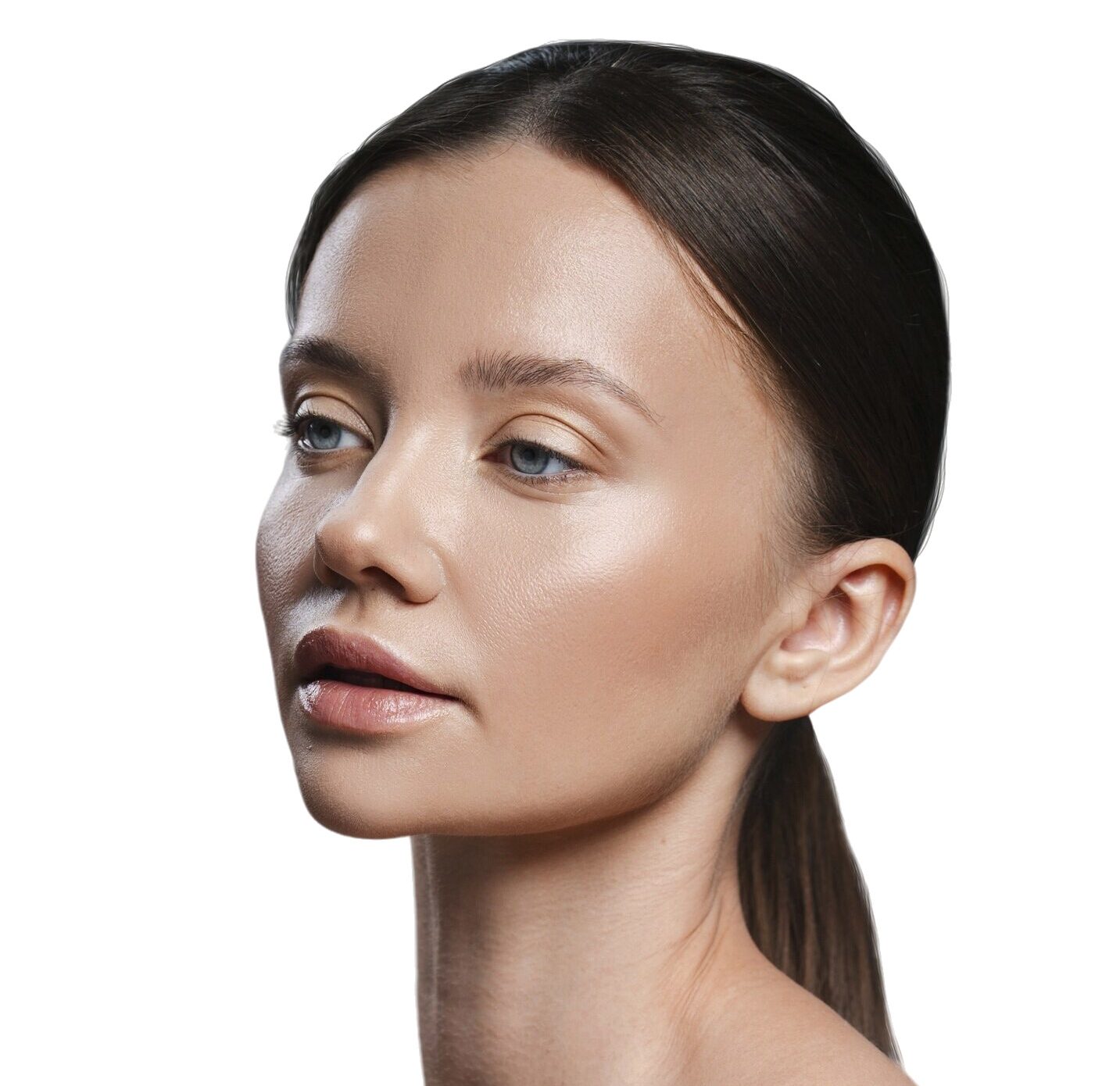
Profile portrait of a woman with smooth, glowing skin and a sleek ponytail against a white background

How Does Facial Fat Transfer Longevity Compare with Dermal Fillers?

Facial fat transfer can provide considerably longer-lasting volume than dermal fillers because the surviving fat becomes living tissue within the treated area. Dermal fillers are temporary and usually require repeat treatments to maintain the effect. In addition, fat transfer does not carry the risks of swelling and discolouration that fillers can cause.

However, that doesn’t mean fat transfer is automatically the better option. The two treatments differ in their procedure, recovery, flexibility and suitability for different types of volume loss.

For a more detailed comparison, read our guide to facial fat transfer vs dermal fillers.

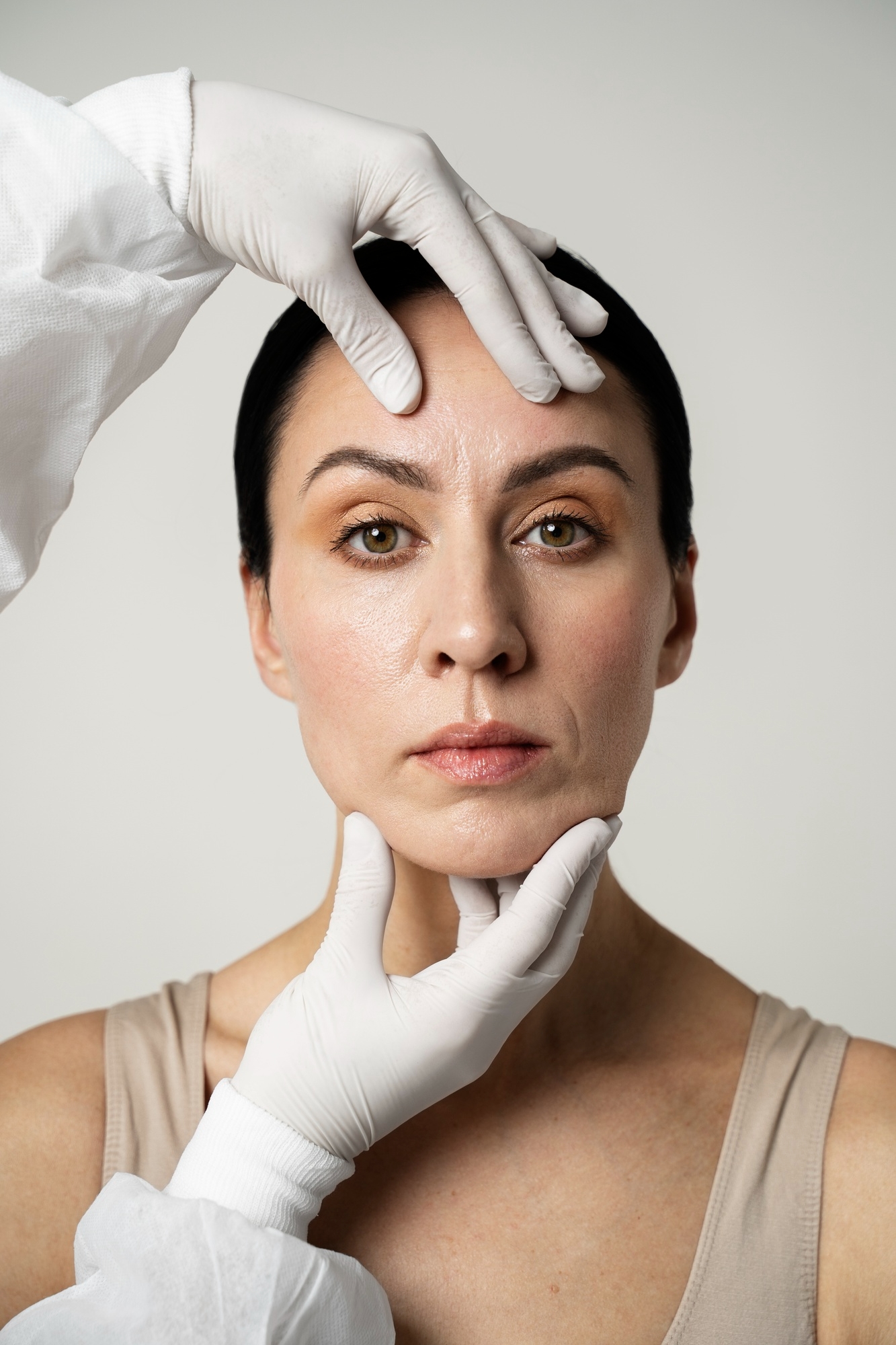
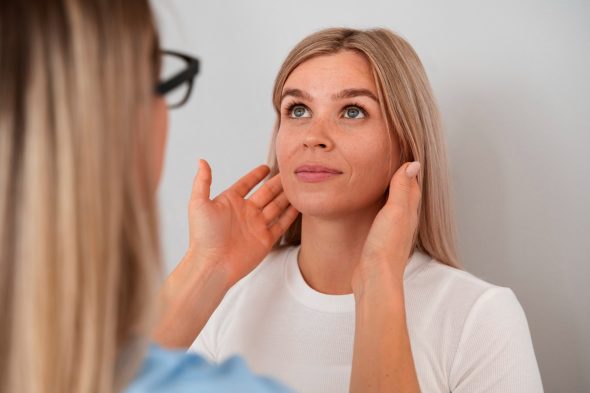
Practitioner in white gloves assessing the face of a dark-haired woman during a cosmetic consultation

Facial Fat Transfer at The Ezra Clinic

At The Ezra Clinic, we plan facial fat transfer around each patient’s individual facial anatomy and pattern of volume loss. Our specialist understanding of facial and periocular anatomy allows us to assess where restoring volume can create the most balanced, natural-looking improvement.

We approach every stage of the procedure, from harvesting and preparing the fat to its precise placement, with the aim of achieving subtle, proportionate results rather than simply maximising facial volume. Fat transfer can also be incorporated into a wider treatment plan, including alongside blepharoplasty where appropriate.

Learn more about facial fat transfer at The Ezra Clinic, or book a consultation to discuss whether the procedure may be suitable for you.

FAQ

Does facial fat transfer last forever?

The fat that successfully establishes itself can remain for many years, but facial fat transfer should not be considered completely permanent. Your face will continue to change naturally with ageing and changes in body weight.

Does facial fat transfer disappear over time?

Some transferred fat is naturally reabsorbed during the first few months after treatment. Once the remaining fat has successfully established itself, it can provide long-lasting facial volume.

Can facial fat transfer last 10 years?

Facial fat transfer can potentially provide results lasting 10 years or longer, as surviving fat cells can remain in the treated area long term. However, individual results vary, and natural ageing continues throughout this time.

What happens if I lose weight after facial fat transfer?

Transferred fat behaves similarly to other fat cells in your body. Significant weight loss may therefore reduce the volume of the transferred fat and change the appearance of your results.

Can transferred facial fat grow if I gain weight?

Yes. Once the transferred fat has established itself, the fat cells can increase in size with weight gain, just like fat cells elsewhere in the body.

How soon can I tell how much fat has survived?

It takes time for swelling to resolve and the transferred fat to settle. Your surgeon will usually assess the longer-term result after several months, once the healing process is sufficiently advanced.

Can facial fat transfer be repeated?

Yes, facial fat transfer can be repeated when appropriate. We may consider additional treatment after the initial results have settled if you want further volume restoration.


Latest articles

Contact us

If you are interested in any of the treatments we offer, or require any clarifications, we would love to hear from you. We deal with all issues relating to the Harley Street and Moorfields practices. You can reach us by phone, by email or by filling out the contact form below.

This field is for validation purposes and should be left unchanged.
This field is hidden when viewing the form
Please tell us how you heard about us