



What Causes Wrinkled Skin on Arms?
The primary culprit is the natural decline in collagen and elastin production that occurs with age. These structural proteins form the scaffolding of healthy skin, providing firmness and resilience. As their production diminishes from the mid-twenties onwards, skin gradually loses its ability to maintain a smooth, taut appearance.
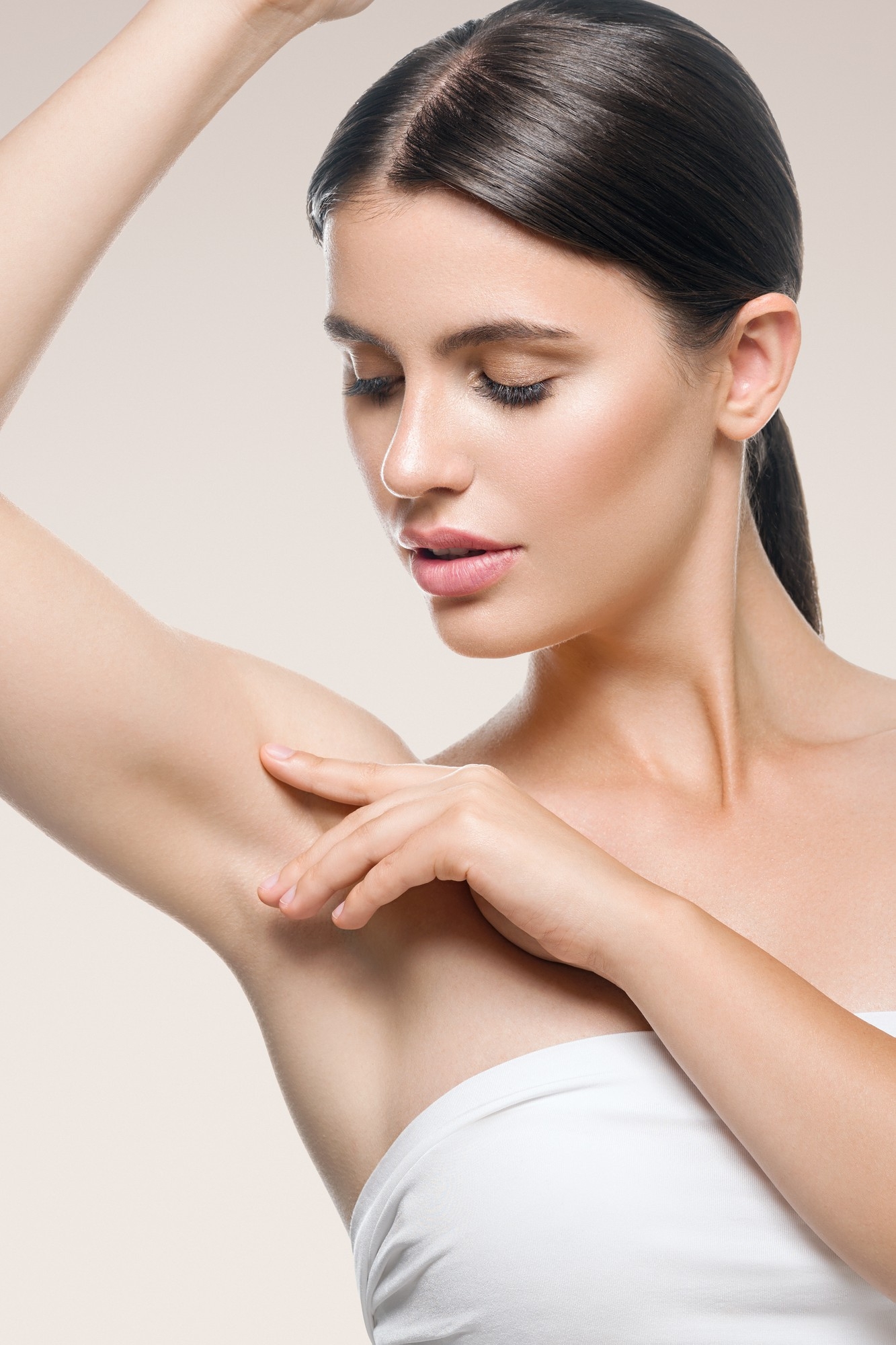
The upper arms present unique challenges. The skin in this area is naturally thinner than on many other parts of the body and contains fewer oil glands. This means it has less inherent protection against environmental damage and fewer natural moisturising factors, making it more susceptible to developing fine lines and a papery texture.
Sun damage represents another significant contributor. Cumulative ultraviolet exposure over the years breaks down collagen fibres and impairs the skin’s ability to repair itself effectively. Even without deliberate sunbathing, the arms receive considerable incidental sun exposure during daily activities, and this photodamage accumulates silently over time.
Dehydration at the cellular level further exacerbates the problem. As we age, the skin’s ability to retain moisture diminishes, and cellular turnover slows considerably. Dead skin cells accumulate on the surface whilst deeper layers become progressively dehydrated. The result is skin that appears dull, rough and increasingly lined. Genetic predisposition also plays a role, with some individuals naturally prone to developing textural changes earlier or more severely than others.
It is worth clarifying the distinction between wrinkled and crepey skin. Wrinkled skin refers to the formation of lines and folds, whereas crepey skin describes a thin, fragile texture resembling crêpe paper. Crepey skin represents a deeper structural issue rather than a surface-level concern, involving loss of underlying support and a significant decline in elasticity.