



Why Are There Different Types of Brow Lift?
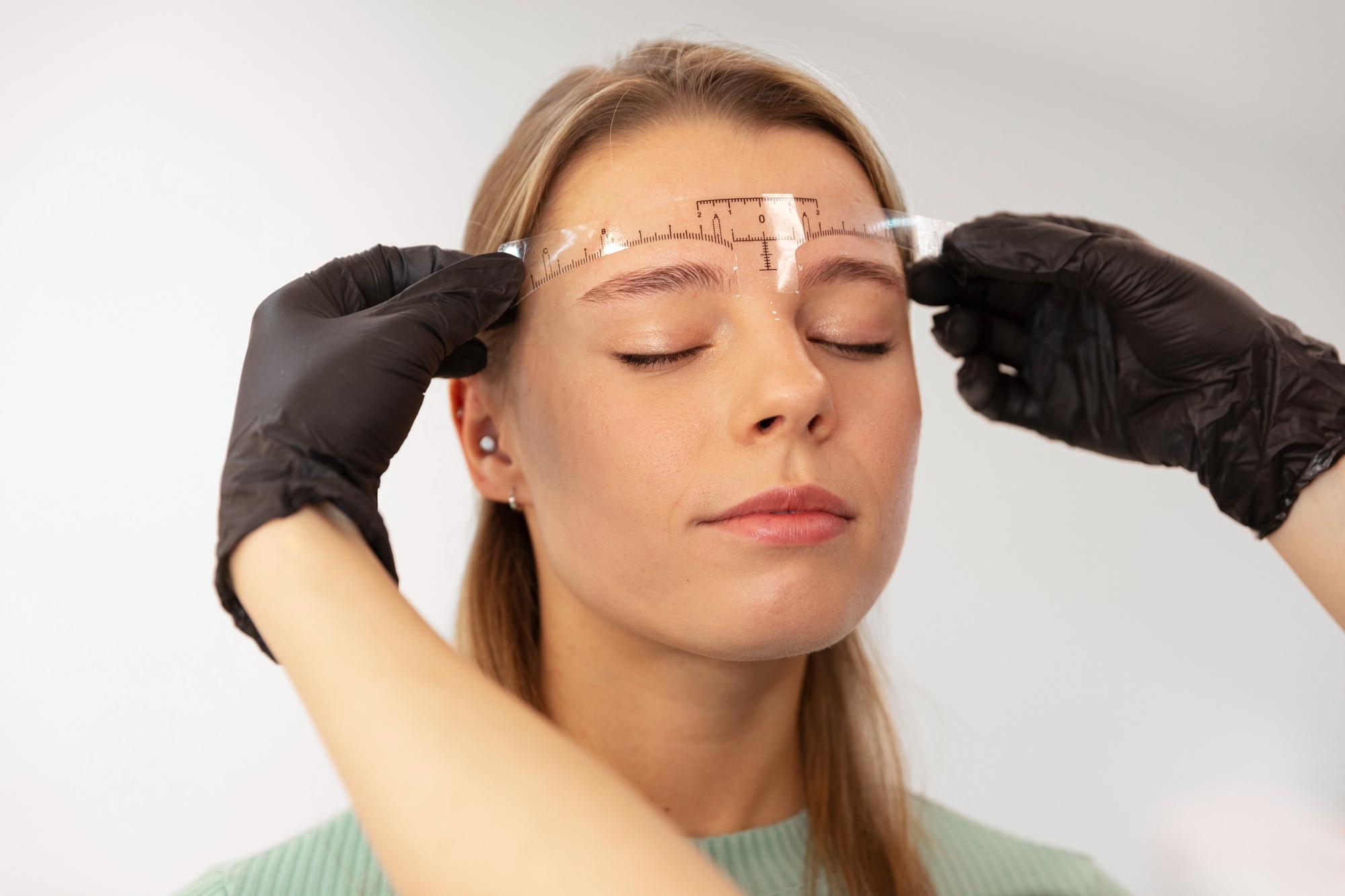
Not all patients experience brow ageing in the same way. Some develop a subtle lowering of the outer brow, while others experience more significant brow ptosis that creates a heavy, tired or concerned appearance. In some cases, the eyebrows remain well positioned, but excess upper eyelid skin gives the impression of low brows. This is why careful assessment is so important before deciding on the most appropriate treatment.
Several factors influence which brow lift technique is recommended, including your age, skin quality, facial anatomy and the degree of brow descent. Your surgeon will also consider your aesthetic goals, hairline position, previous surgery and whether a brow lift should be combined with another procedure, such as upper blepharoplasty.
The aim is not simply to lift the brows as much as possible, but to restore them to a natural position that complements the rest of the face. Whenever possible, surgeons choose the least invasive technique capable of achieving a safe, balanced and long-lasting result.
Types of Brow Lift
There is no single brow lift technique that is suitable for everyone. The most appropriate procedure depends on several factors, including the degree of brow ptosis, your facial anatomy, skin quality and the results you hope to achieve. During your consultation, your oculoplastic surgeon will recommend the technique that offers the safest, most effective and most natural-looking outcome.